YILMAZ ZENGER COLLECTION
When designer and artist Yılmaz Zenger passed away in 2018, the factory where he primarily produced works using composite materials (fiberglass) was still in operation. The entrance of the factory resembled a display space in which works from different periods of Zenger’s production came together: a children’s play unit, egg-shaped mobile office designs, colorful furniture, prototypes, metal objects, and lighting elements. One section of the ground floor housed old typewriters, slide and film projectors, cameras, and other equipment that pointed to the artist’s wide-ranging interests. The main production area and paint shop were located on the lower level, where the workshop’s core manufacturing activities continued. Meanwhile, the factory’s flat terrace roof was filled with molds from different periods that could no longer fit within the enclosed interior spaces. Fikret Kaymakçı, the workshop’s foreman of forty years, continued working on the final piece produced there.
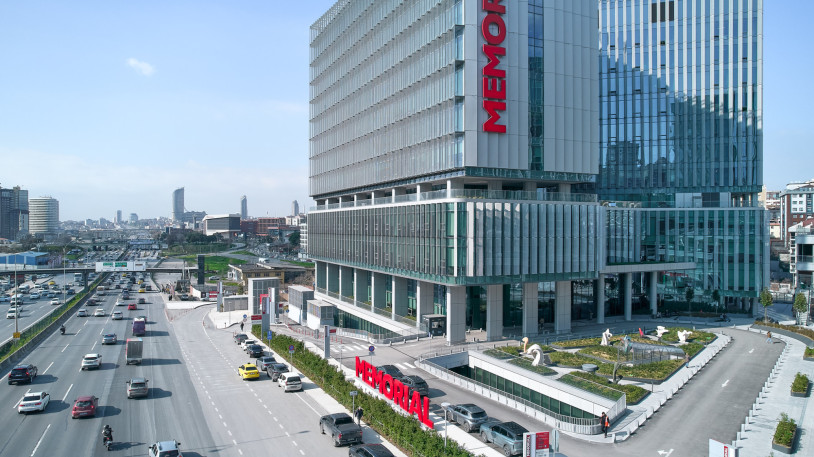
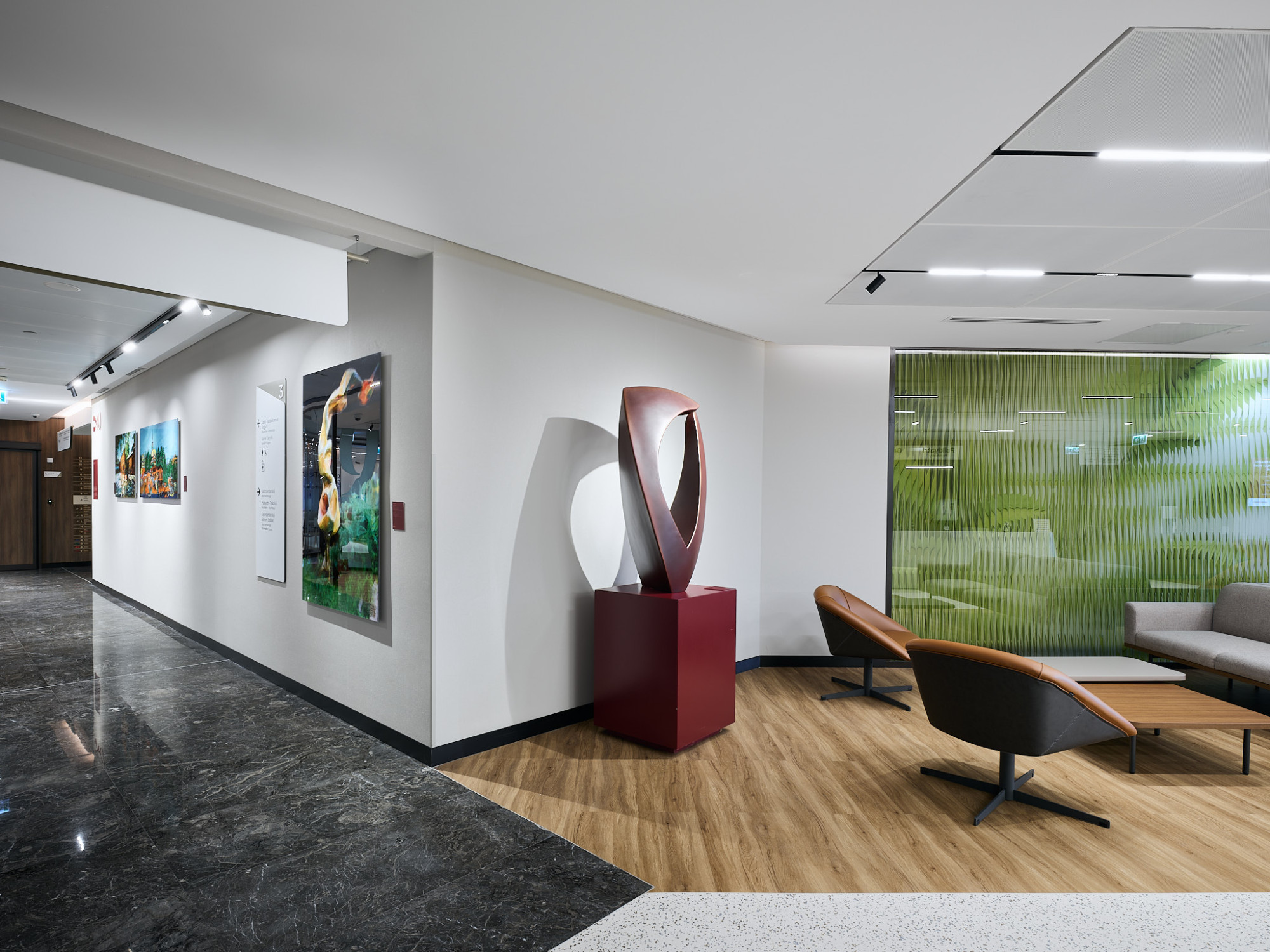
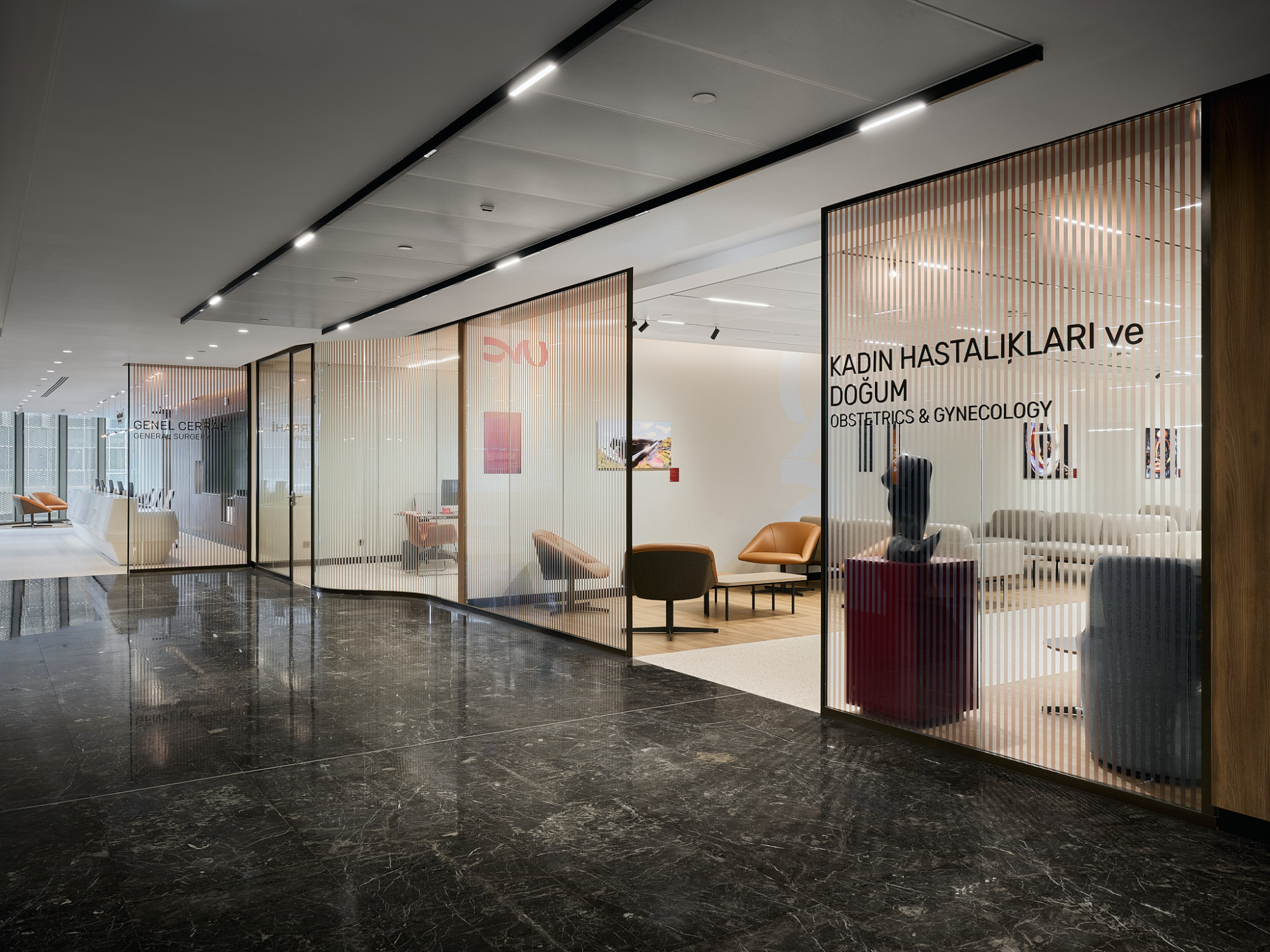
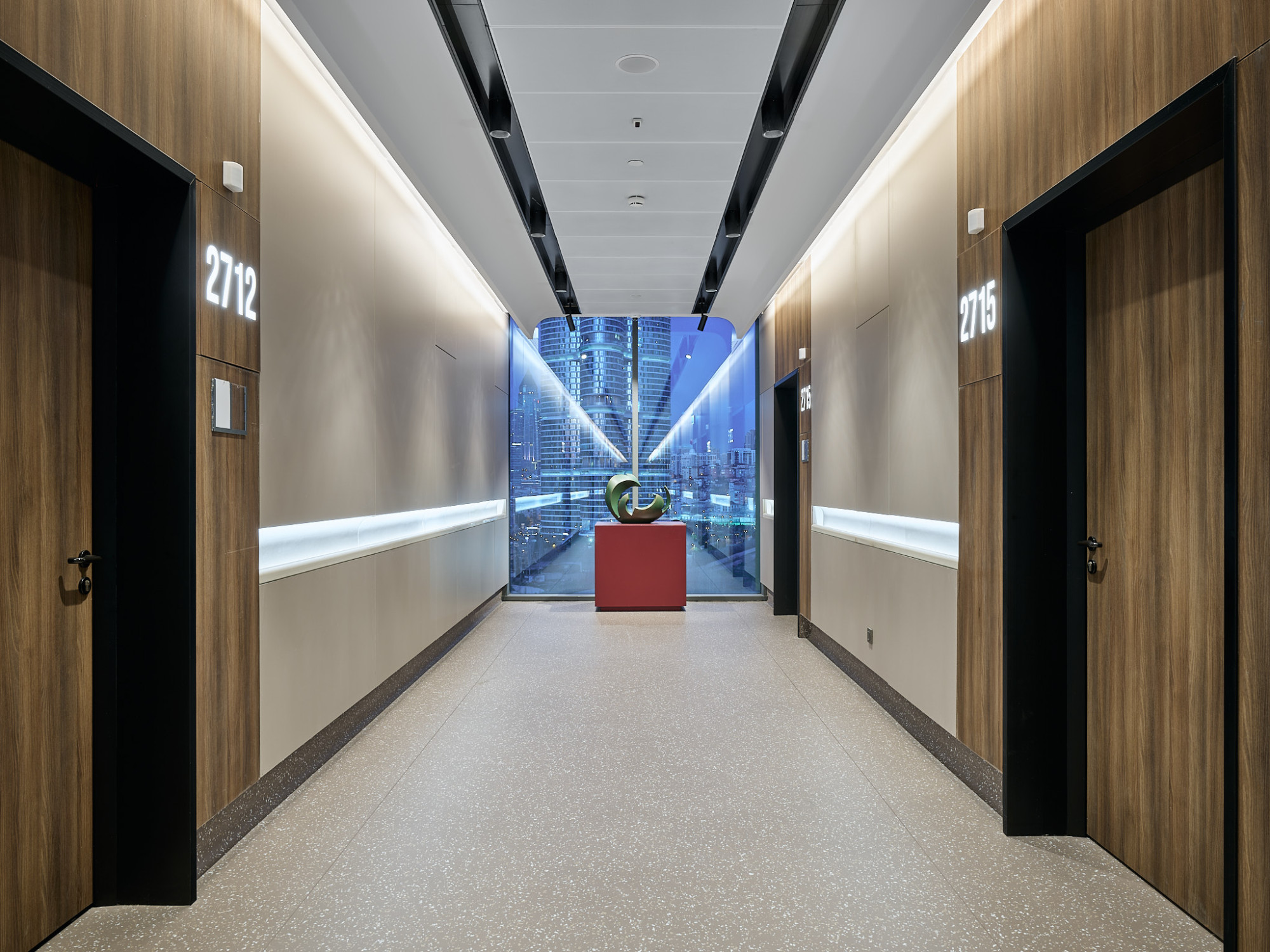
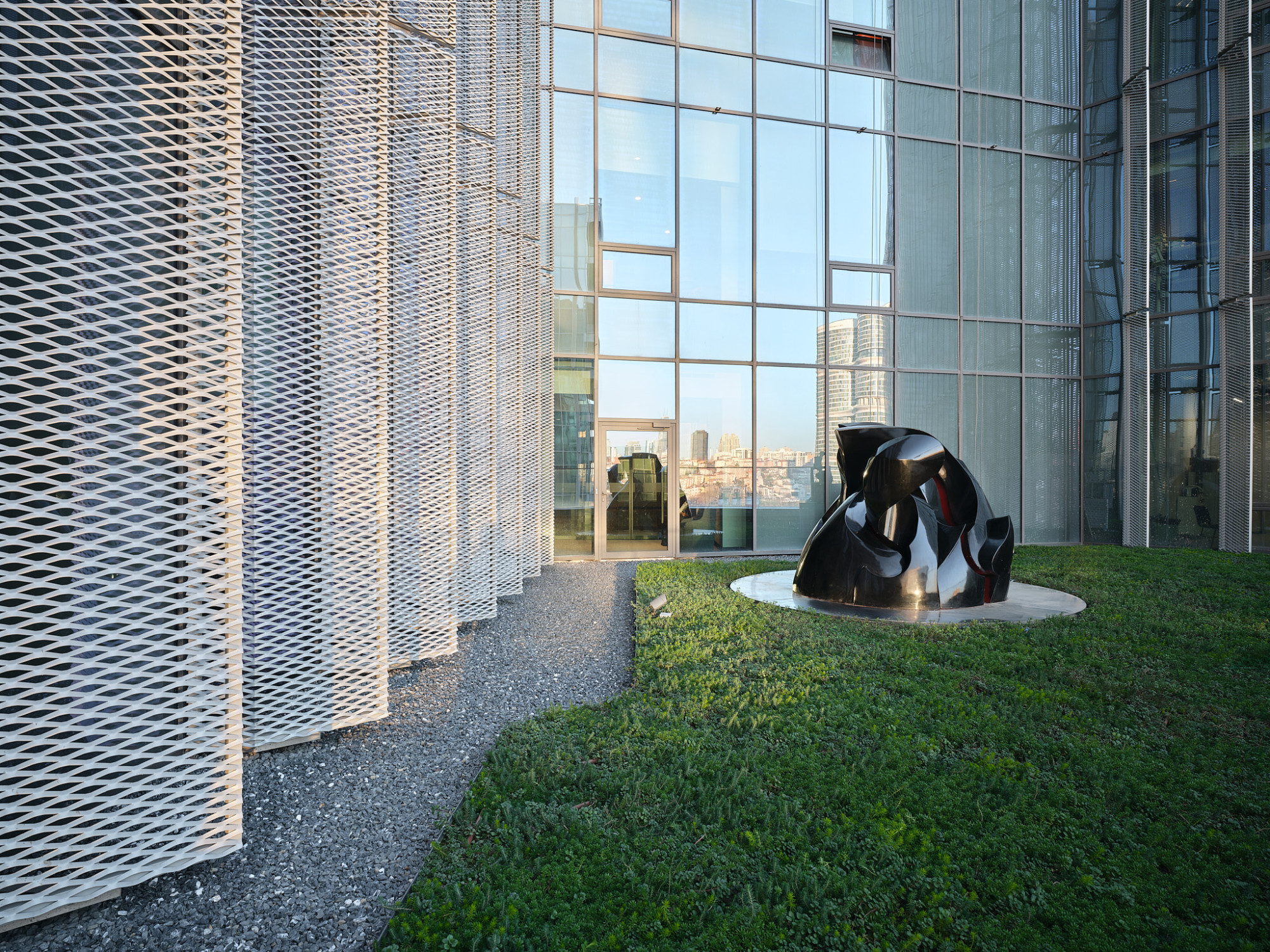
Shortly after Yılmaz Zenger’s death, the factory was vacated and the works inside were transferred to a storage facility. Although some of the pieces were sold during this process, a significant portion remained preserved in storage. It was at this stage that Memorial Hospital intervened, incorporating an important body of Zenger’s surviving works into the Memorial Art Collection. These works began to be exhibited under the title Yılmaz Zenger Collection at Göztepe Memorial Hospital, which opened in late 2025.
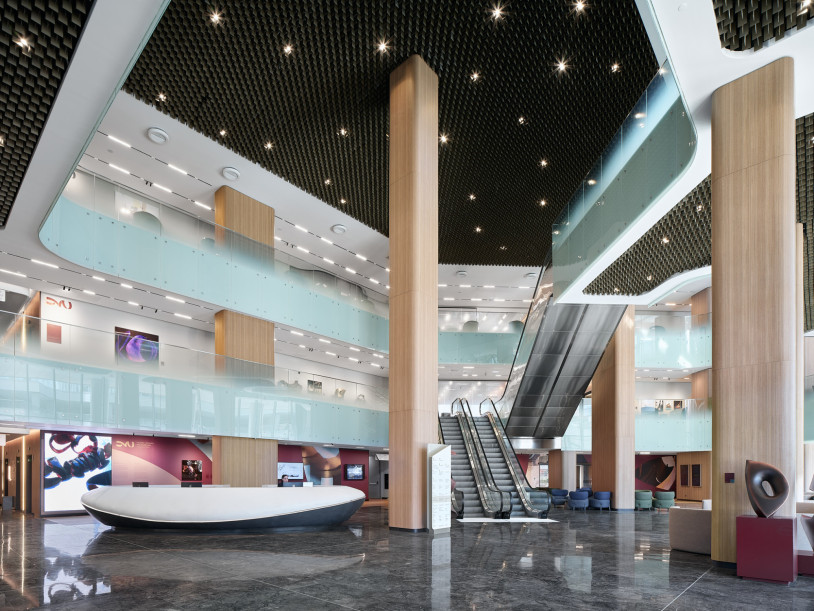
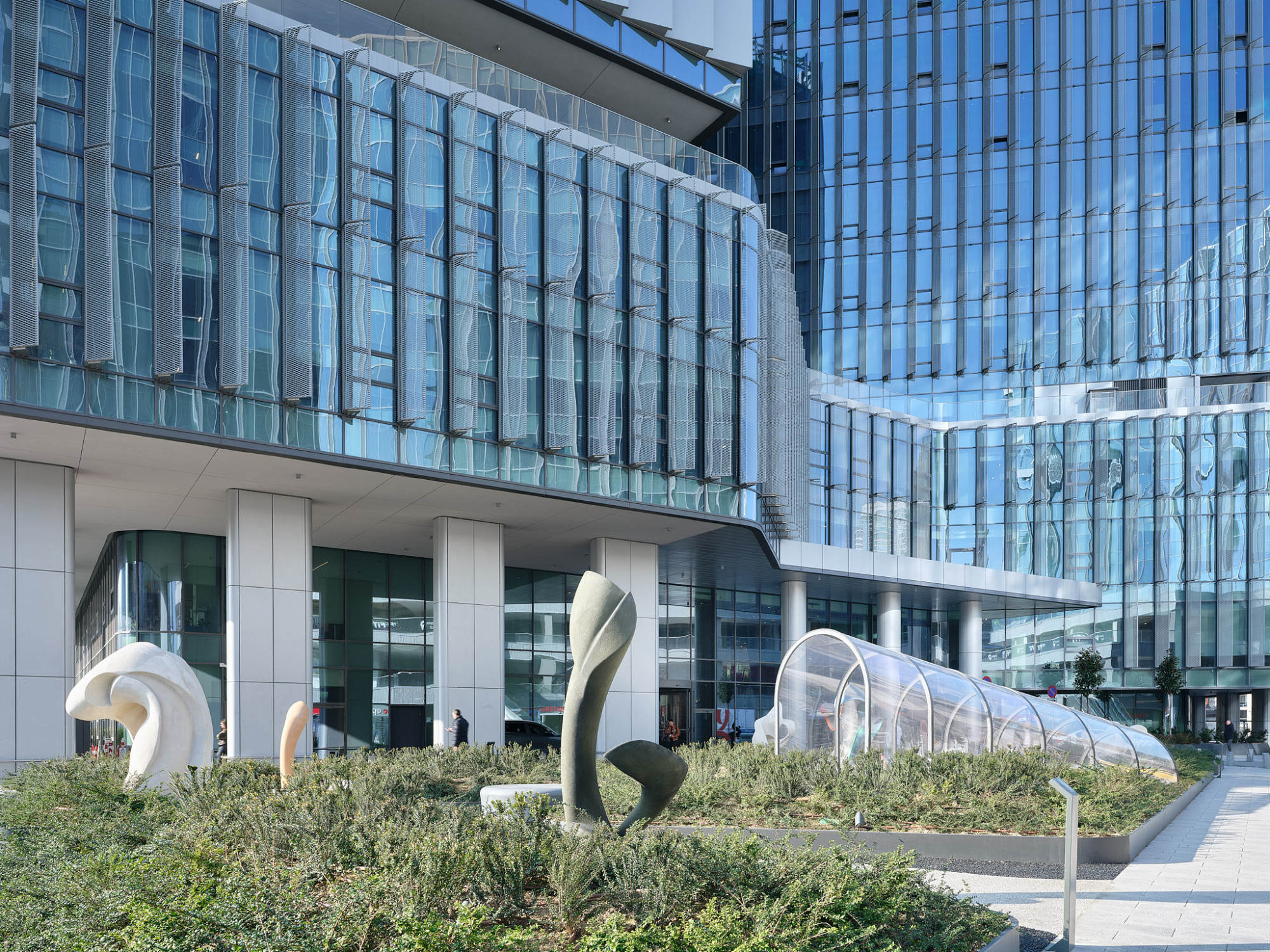
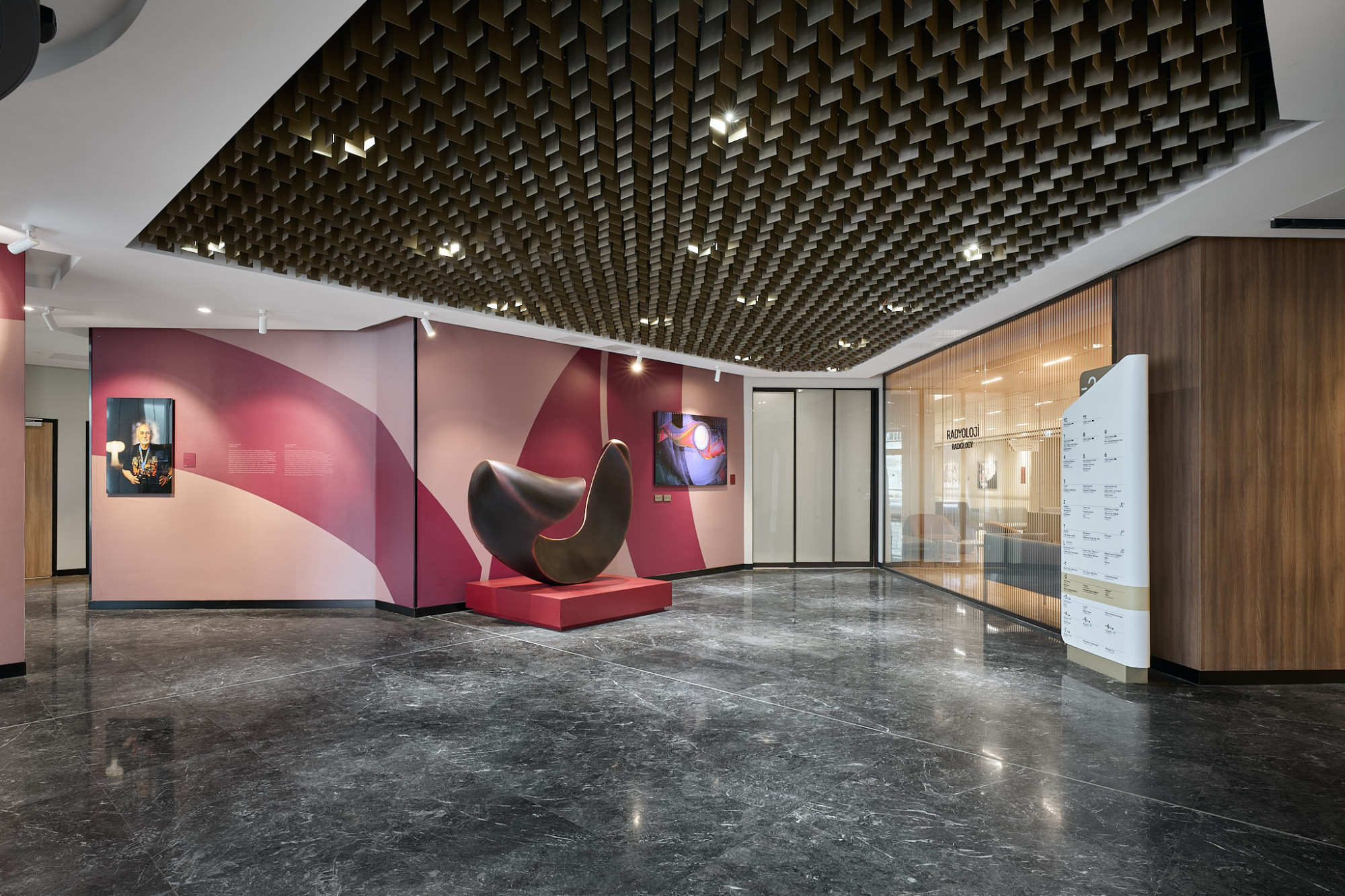
During the period between the acquisition of the works and their exhibition, an extensive cataloguing project was carried out under the consultancy of Pelin Derviş, alongside the cleaning, repair, and restoration of the pieces. Following a long-term curatorial process, the collection was installed throughout the hospital, beginning in the garden and extending into various shared public spaces within the building.
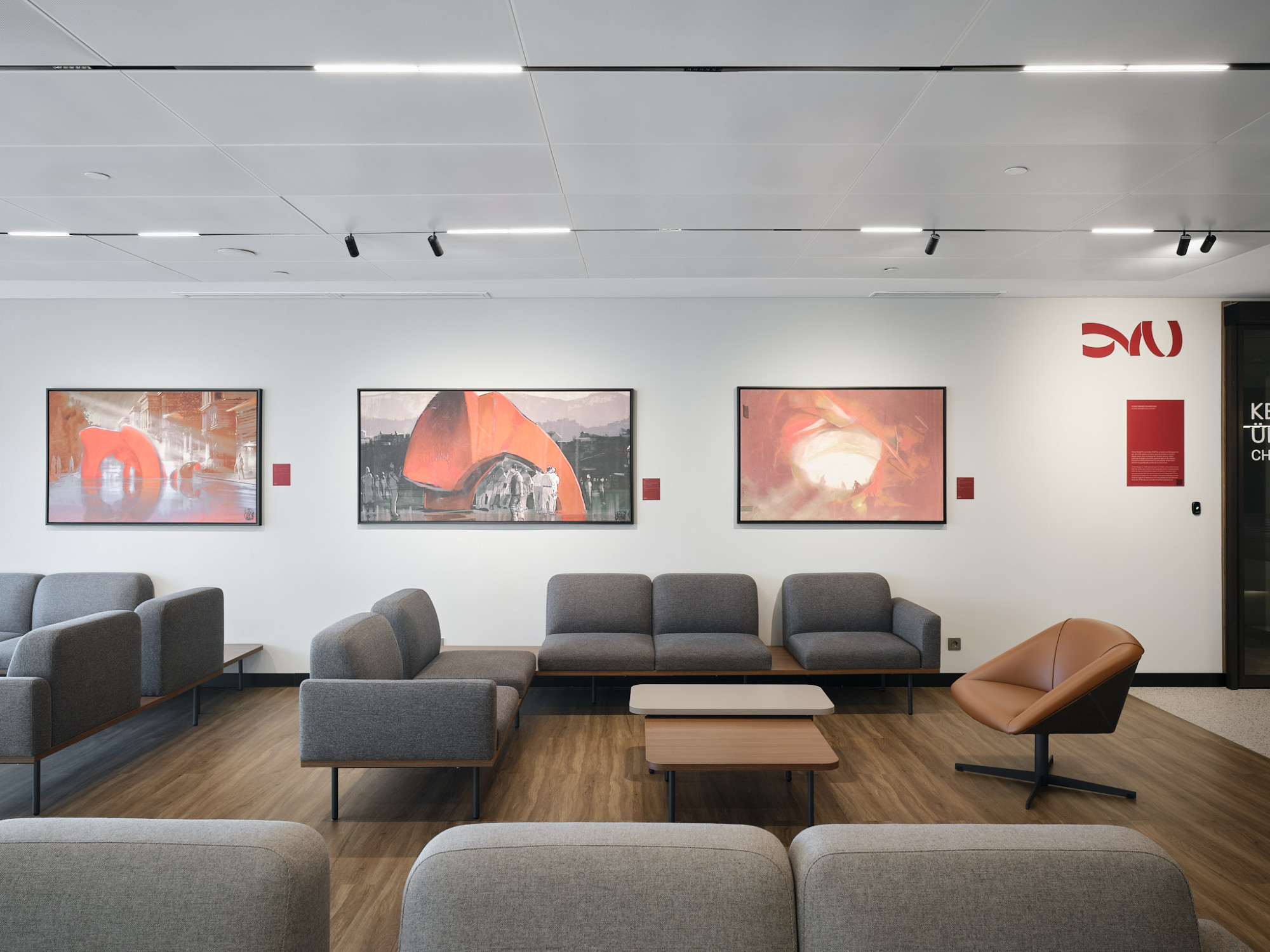
Comprising 286 works, the Yılmaz Zenger Collection includes 94 sculptures, 41 pieces of furniture, 32 lighting elements, and 16 decorative objects. A significant number of these works were produced using composite materials that allow for flexible forms and configurations. In addition, the collection contains 103 paintings. While a small number of these are produced using composite materials, others consist of paint on canvas or printed works on canvas and fabric.
The exhibition layout was conceived around the conceptual trajectories that recur throughout Zenger’s practice. Sculptures and patterns derived from the Möbius strip—a form the artist frequently employed in his designs—constitute one of the exhibition’s central components. Beyond this, the exhibition brings together a number of themes that occupied Zenger across different periods of his production.
Yılmaz Zenger’s works rarely remain confined to a singular object; a sculpture transforms into a photograph, a photograph into a painting, continually re-emerging across different media. With each new encounter, the work undergoes both physical and conceptual transformation. In this sense, Zenger’s practice can be understood not as a fixed form, but as a continuous field of thought.
As an architect, reflections on the city occupy a central place in Zenger’s work. In the Woman City series, the artist focuses on two opposing visions of worlds that may persist into the second half of the twenty-first century. These worlds emerge either as the consequence of accumulated historical mistakes or as possibilities for confronting and reckoning with them.
The work titled Cultural Layers of Istanbul is defined, in Zenger’s own words, as “surfaces that end in one place and begin in another, each belonging to two separate bodies and functioning as the inverse of the other.” Composed of six layers and forty individual pieces, the work becomes a journey through the city via the artist’s paintings; viewers encounter these works anew alongside Istanbul’s familiar urban landscapes.
During the construction of the Park Hotel in the 1990s, an accident caused the room containing Zenger’s entire archive in his Gümüşsuyu office to be filled with concrete, resulting in the irreversible loss of a significant portion of the artist’s visual memory. Only a small number of contact prints survived this destruction. These prints belonged to photographs Zenger took in Eyüp during the 1950s as part of his doctoral research. Years later, the artist revisited these small photographic prints and digitally reconstructed the images of Eyüp, reintroducing fragments of the past’s visual memory into circulation through a different technical and temporal framework.
| Consultant and curator | Pelin Derviş |
| Exhibition coordination | Memorial Project Management |
| Graphic design | Dilara Sezgin, Kenan Yiğit |
| Painting restoration | Yusuf İyilik Workshop |
| Restoration of three-dimensional works | Fikret Kaymakçı |
| Photos: Egemen Karakaya |
Back To Top