DESIGN CHRONOLOGY TURKEY | DRAFT
The 3rd Istanbul Design Biennial (2016) paved the way for the creation of a comprehensive research platform on the history of design in Turkey. The project began with a simple, yet far-reaching question posed in late 2015 by the biennial’s curators, Mark Wigley and Beatriz Colomina: “Is it possible to create a timeline of design in Turkey?”
There was no direct answer to this question in the form of a timeline. Although there was a relatively extensive body of literature in some areas of design, this was not the case for all design fields. Therefore, it was first necessary to identify existing knowledge, publications, individuals, and institutions; then to conduct comprehensive research; and finally to examine how the findings related to one another. This meant a project that would take years to complete.
For this reason, we viewed the 3rd Istanbul Design Biennial as an opportunity to launch such a project. Rather than exhibiting a completed historical study when the Biennial opened, we aimed to present a stage in an ongoing process. The Biennial’s organizers also supported the project, which was conceived to make use of the period between editions as well.
Development of the research
The project began with a small team: Selva Gürdoğan, director of Studio-X Istanbul; Ege Sevinçli, program coordinator at Studio-X Istanbul; and, shortly afterwards, Barış Gün, who joined us as a project assistant. Together, we sought to understand what basic tools we would need to create a design chronology.
First, we began working to identify key publications, individuals, and institutions. We formed a small advisory board; our advisory and communication network gradually expanded. During this process, we also began determining which topic headings we could use to structure the chronology.
We didn’t want to work under very broad headings like “industrial design.” Instead, we were interested in identifying the smaller, more specific elements of everyday life as areas of research. Our first step was to contact Gökhan Akçura, a self-described “historian of knick-knacks,” and invite him to join us on this intricate journey.
We started by compiling a comprehensive list of more than twenty topics. As a preliminary step, Gökhan Akçura began compiling texts on these topics. We then began organizing this body of work into groups of interest and, ultimately, breaking it down into more focused texts that could take the project further. This also marked the time for us to begin collaborating with subject matter experts who could provide a more in-depth analysis of these topics.
Our resources were, quite literally, “zero”; a volunteer team came together, generously contributing their time and effort. We named ourselves the “Curious Assembly.” At this point, we also received significant support from the Industrial Designers Society of Turkey (ETMK). ETMK’s generous sharing of the database for its Industrial Design Virtual Museum provided a crucial foundation for our work and gave it momentum.
A proposal for writing history
The 3rd Istanbul Design Biennial spanned timeframes ranging from 2 seconds to 200,000 years. The period we chose to focus on, however, was closer to the last 200 years. It was important to decide on a time frame and establish criteria that would guide the writing of the text.
One of the primary criteria we chose to focus on was whether the subject and/or object of the topic had the potential to mark a threshold. If a design or phenomenon was the first of its kind in that field, introduced an innovation, influenced other areas, caused a social transformation, or resulted from a social transformation, these were the decisive criteria.
In addition, issues related to education, institutionalization efforts, organizational structures, publications, legal regulations, and economic and political developments were also integral parts of the chronological study. For example, topics such as the role of landscape architecture in education, when the professional association was established, and whether it published any materials were also within the scope of our research.
In other words, the study proposed examining design not only in its objective dimension, but also in its social, economic, and political dimensions.
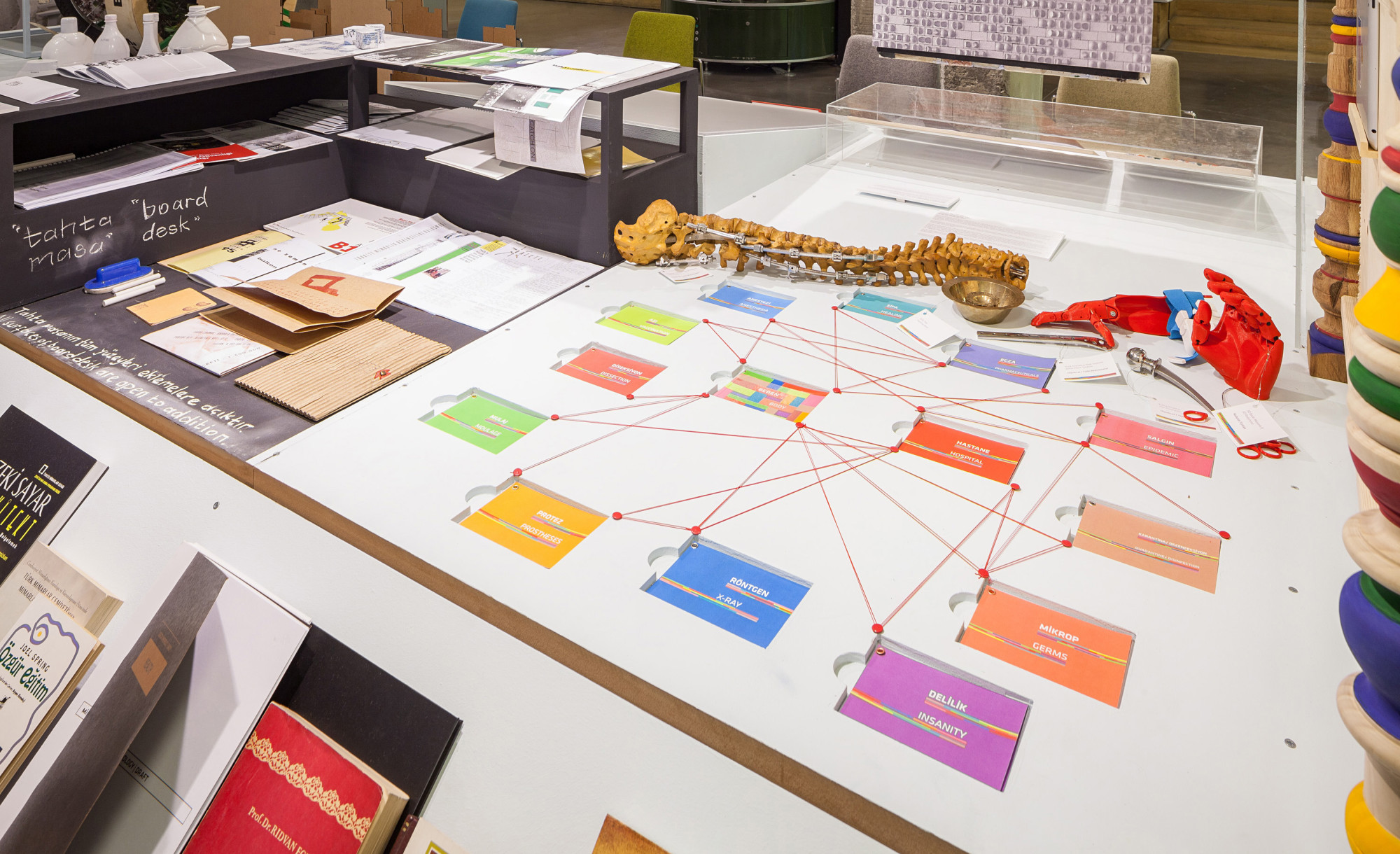
Some of the topics we were working on were still at the “introduction to the subject” stage. For example, we had the courage to turn our attention to broad fields such as “health,” which had hardly ever been examined from a design perspective. Although there are many publications on the history of medicine, there was almost no record of health as a subject of design history. For this reason, the chronology of health served, at that stage, both as an introduction to the subject and as a methodological proposition about what a chronology might look like before findings from a design perspective could be established.
This was a concern shared by nearly every chapter writer, and each chapter developed its own methodology. The landscape and lighting chapters also established their own guidelines.
From the exhibition to the research platform
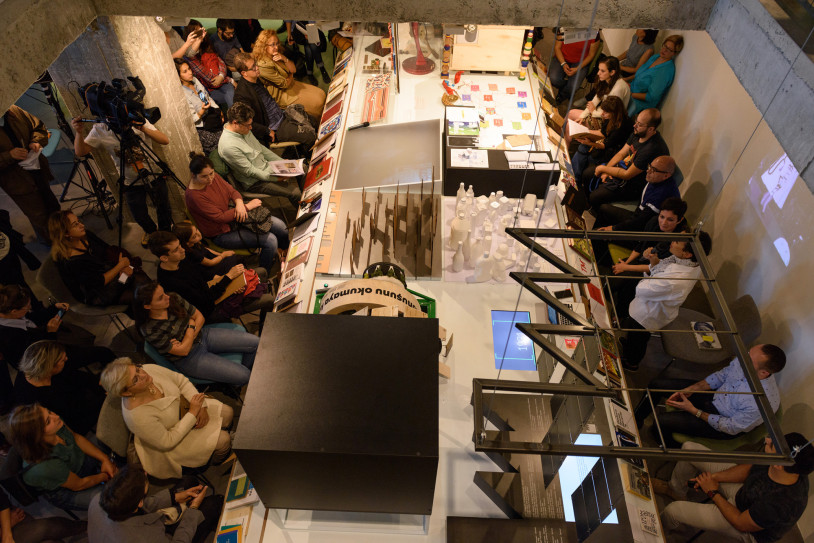
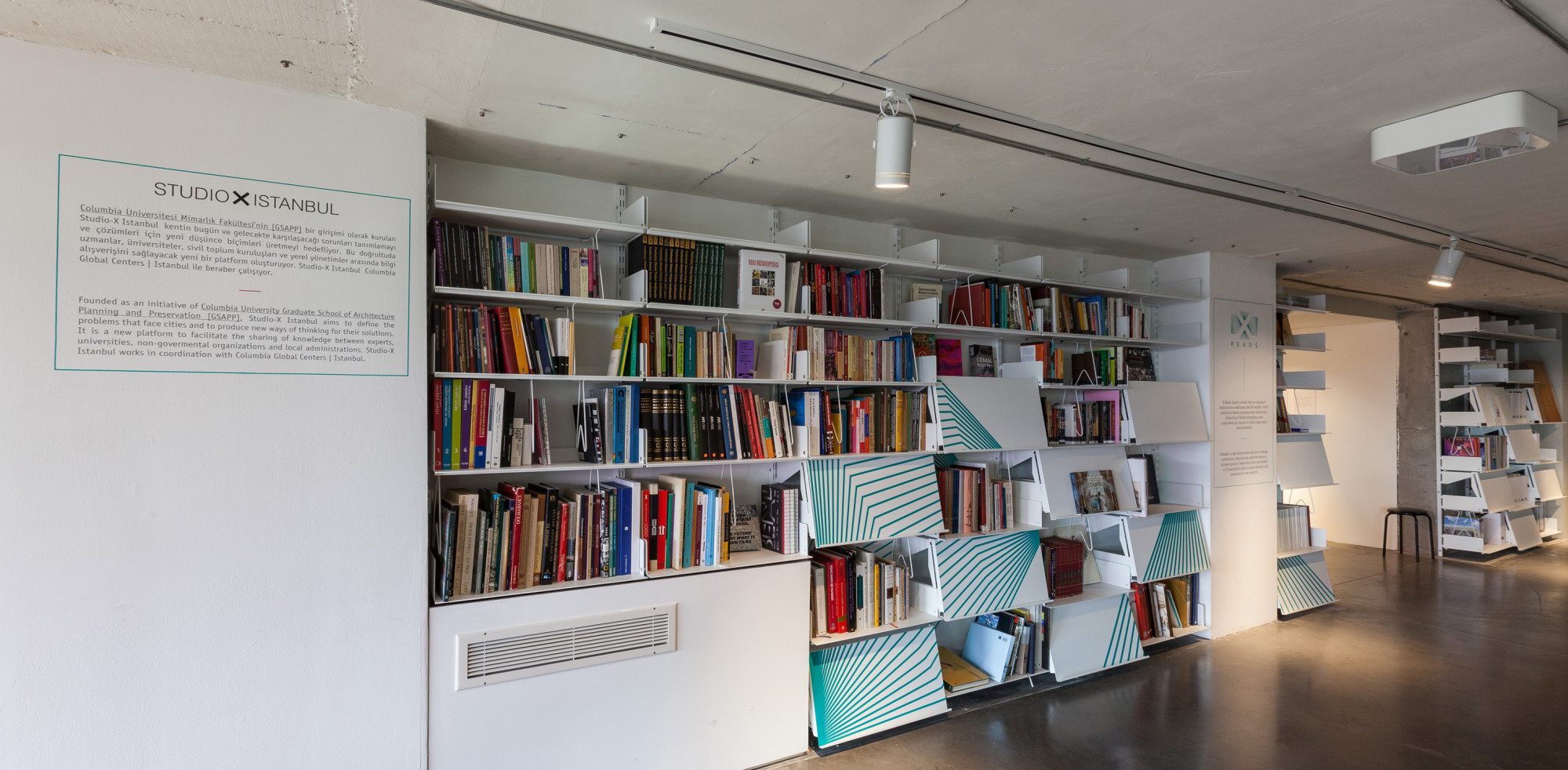
This was the beginning of a project that was meant to be long-term. Ideally, the process should have continued beyond the biennial. The chronological files were on view at Studio-X Istanbul throughout the biennial; however, the main goal was not to “exhibit” them.
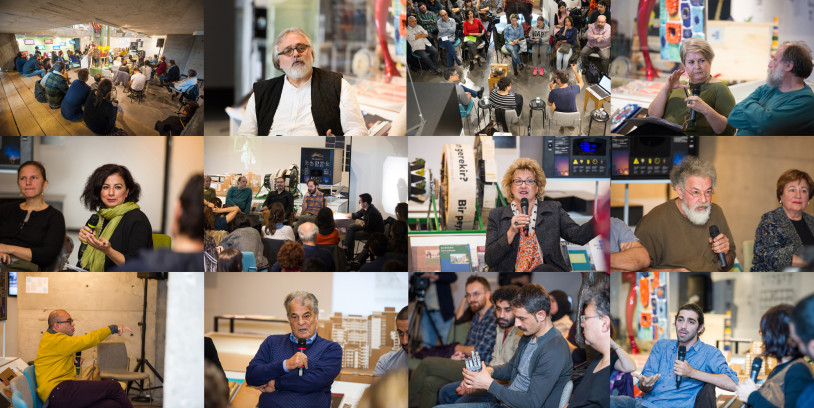
One of the key components of this process was the meetings we held every Saturday during the biennial. At these meetings, we discussed the topics we addressed in the chronological study and/or the exhibition.
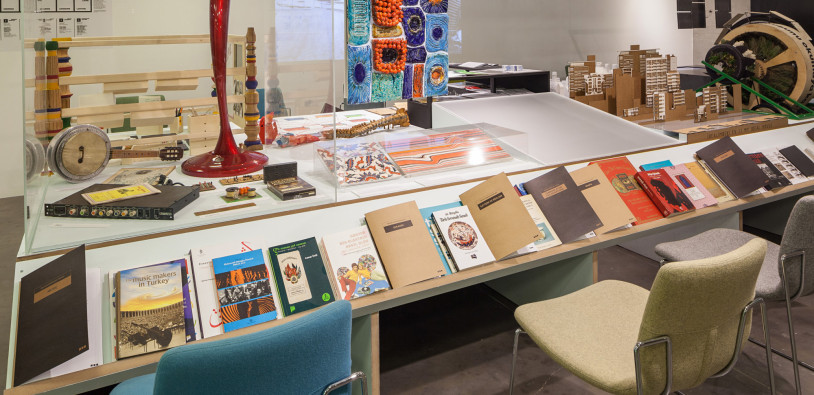
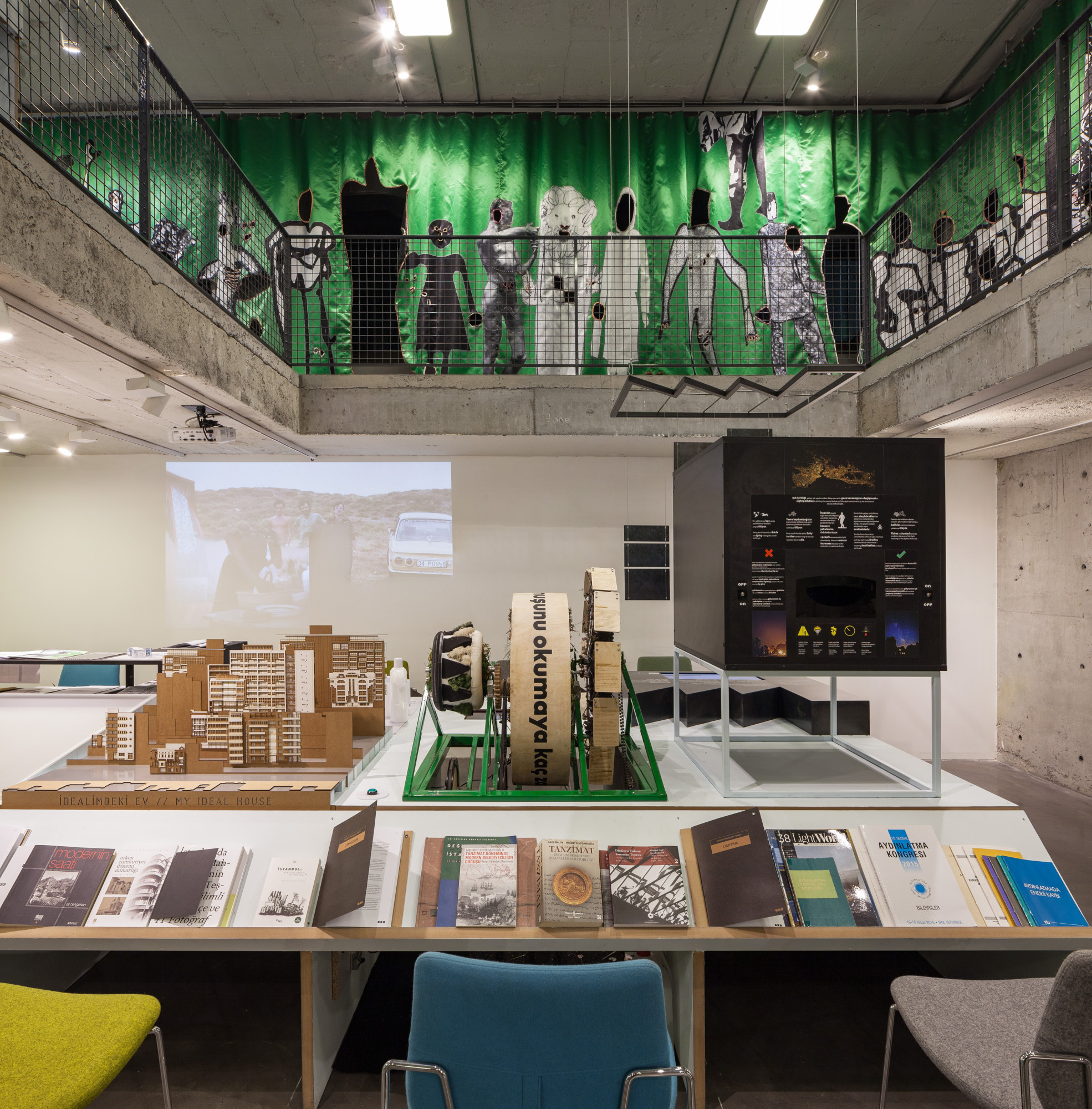
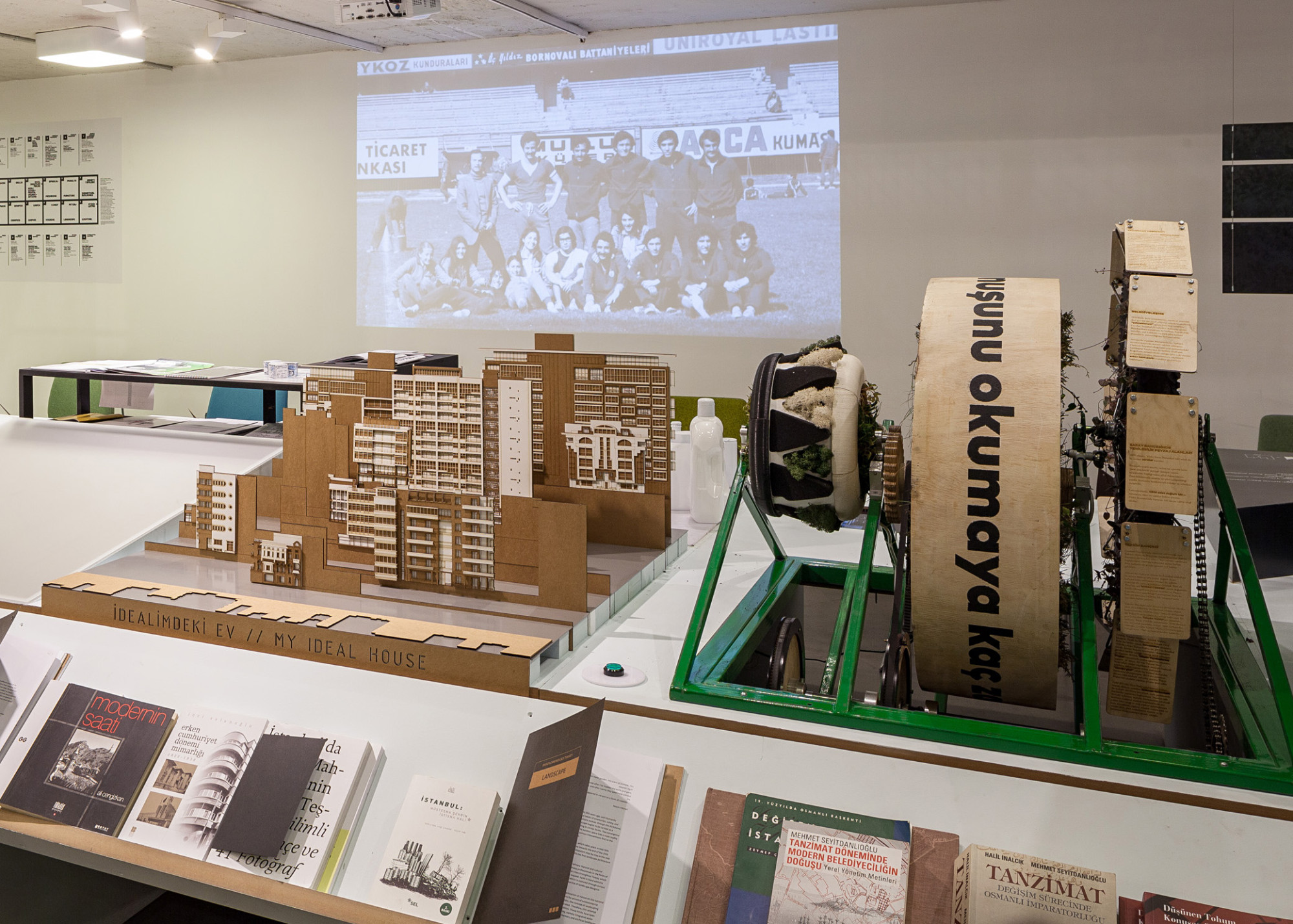
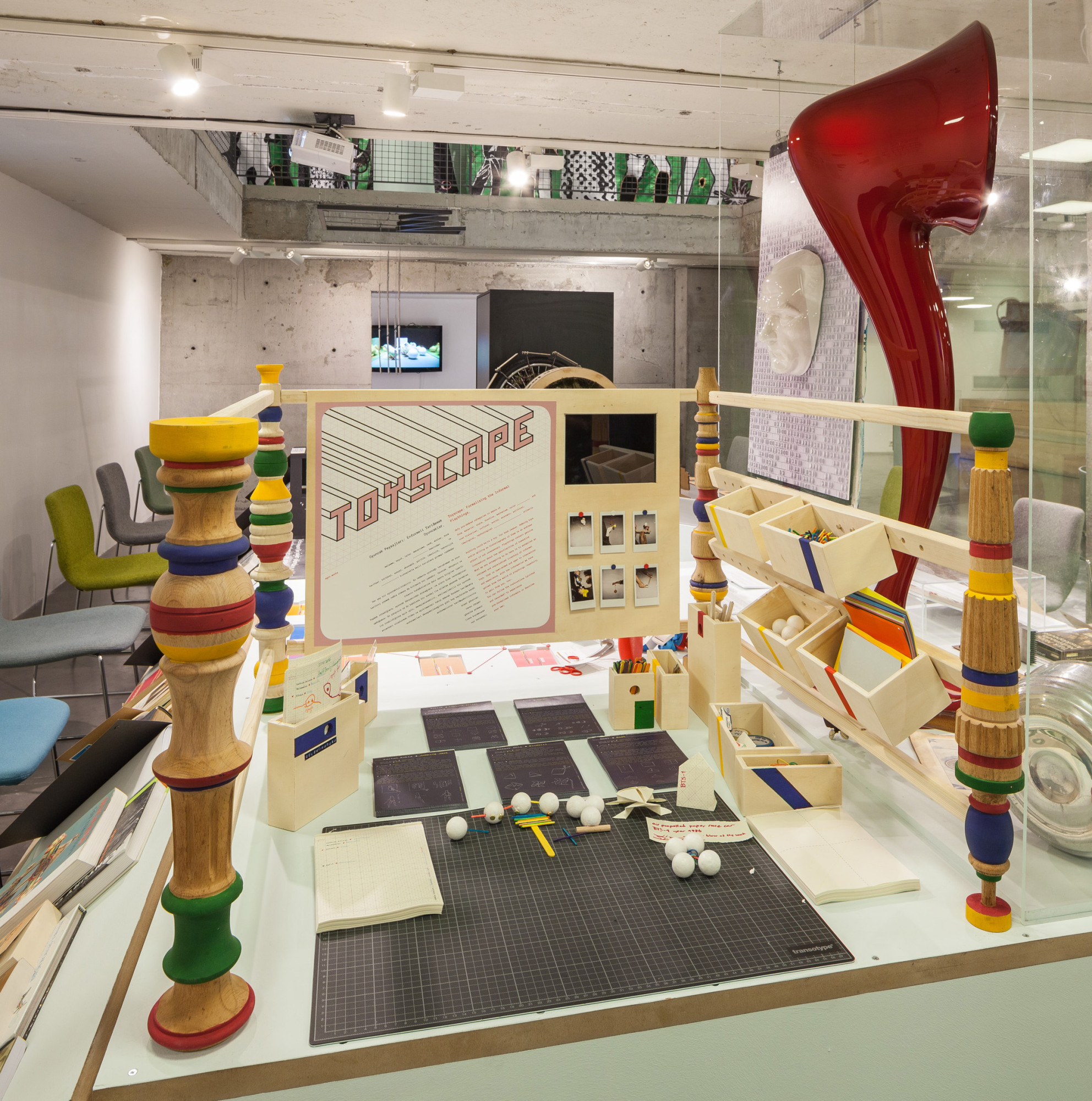
The “units” exhibited at Studio-X Istanbul served not merely as representations of chronological studies but rather as bridges between chronology and the Saturday meetings; they either pointed to the content of the meetings or acted as catalysts for the topics discussed. Reflecting chronology themes such as ceramics, communication and advertisement, furniture, graphic, health, housing, industrial buildings, landscape, lighting, music, non-governmental organizations, packaging and toys, these units formed a large table. Together, these units formed a large table, intended to create a space for curiosity, research, and exchange.
Archive of the Ephemeral
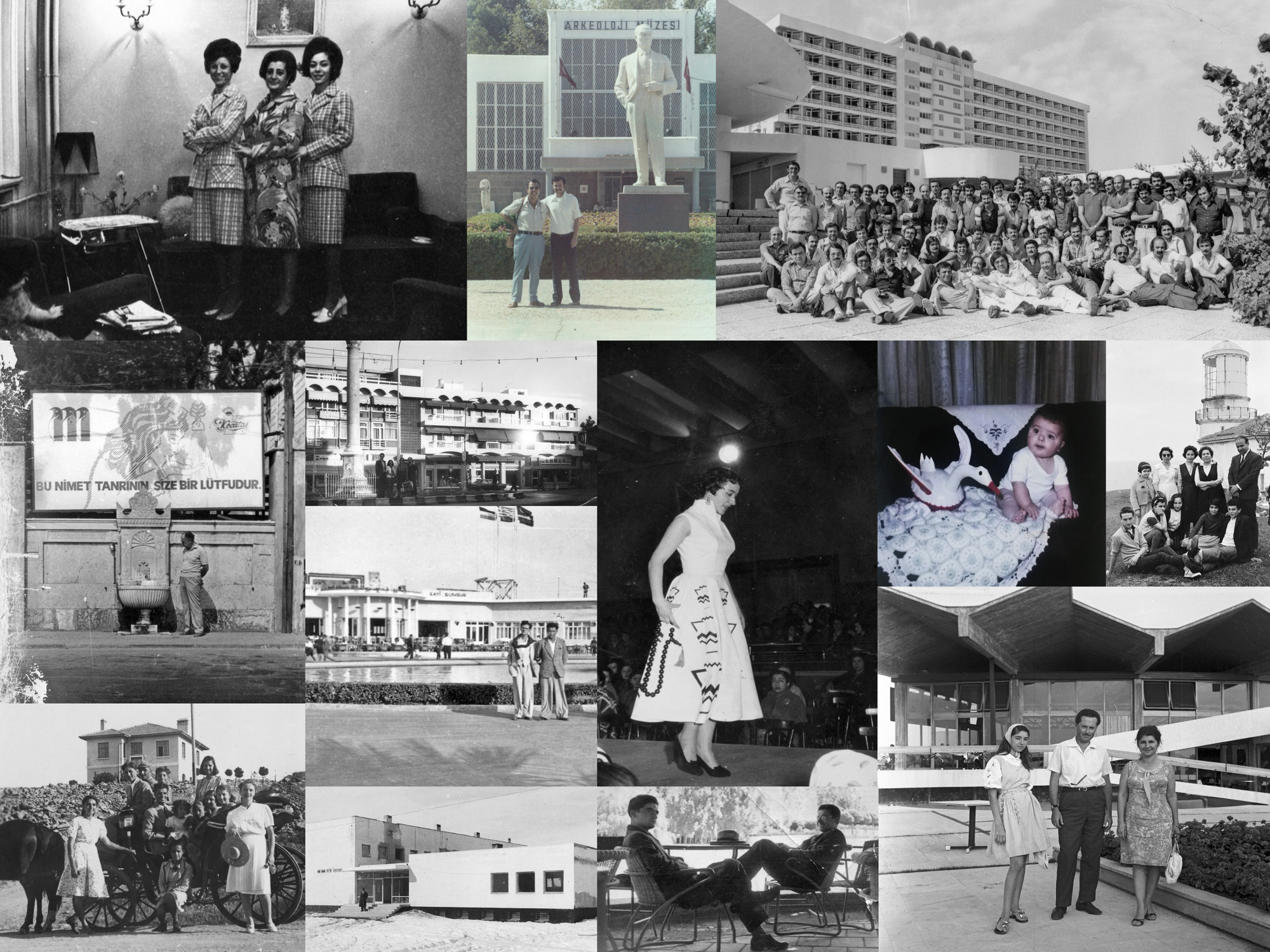
Another component of the project, “The Archive of the Ephemeral,” began with the intention of following the traces of our relationship with spaces and objects through our personal archives.
The project drew on a Facebook page titled “Made in Contact / Temasta Üretilmiş,” which brought together earlier work. The photographs on this page contained an extraordinarily rich array of information for interpreting the relationships formed with spaces in everyday life. Artist Metehan Özcan, who coordinated the project, first reviewed his own body of work within this framework and generously contributed it to the project. Subsequently, the more than forty people who make up the Curious Assembly began looking through their own family albums; they met with their families to discuss these photographs and take notes. They also had the courage to share some of the images they selected in an open-archive work titled The Archive of the Ephemeral.
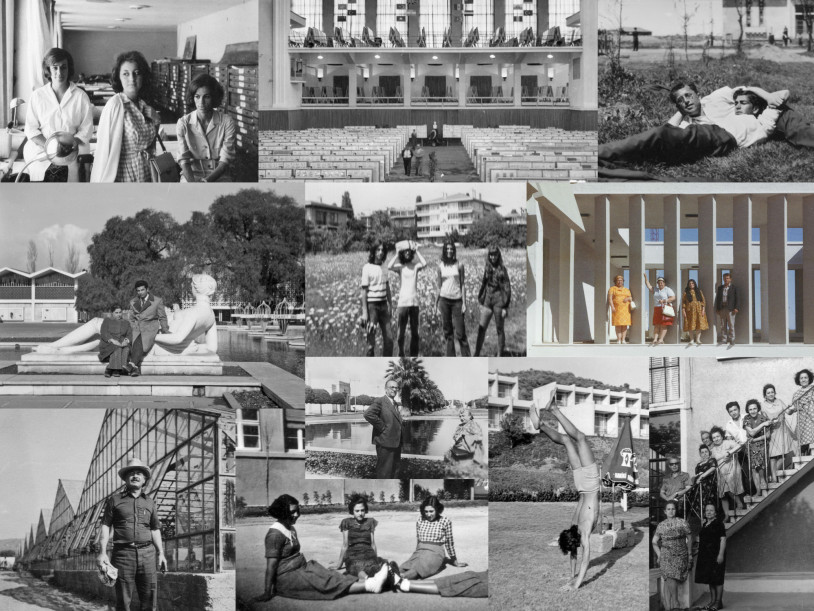
In addition to serving as a section that enriches the findings we made in the chronological file from different perspectives, this project aimed to incorporate data from daily life into our design history and to document what had previously gone unrecorded.
An open-ended history project
While conducting this study, we realized once again that organizations are not very generous when it comes to documenting their own histories. It is of vital importance and urgency for researchers that companies—especially those that have made significant contributions to the sector—document their own histories.
For this study to be properly developed, researchers, expert collectors, archives, museums, and institutions that produce design objects must work hand in hand and maintain open communication. Without such collaboration, it is impossible to develop a chronology on solid ground.
Furthermore, the writing of history demands a dynamic structure. Every new piece of information or discovery can render the previous one obsolete. I don’t know how one can actually be prepared for this, but it’s important to start by accepting this reality. Another issue is the need to contend with the existing literature—which classifies historical periods based on today’s definitions and disregards those that do not fit those definitions—that is, the problem of anachronism.
That is partly why it was still too early to present a timeline and say, “This is it.” First, this very comprehensive and multi-layered study had to be carried out, and then we had to analyze how the findings related to one another. Only then could we attempt to create a timeline.
This project was designed as a research proposal that embraces the possibility of making mistakes and opening itself up to debate. This is because debate was necessary for the development of writing. Above all, in order to change something, it first has to exist. Its absence is the greatest deficiency.
| CURIOUS ASSEMBLY | |
| Project Development and Coordination | Pelin Derviş |
| Editors | Pelin Derviş – Gökhan Akçura |
| Assistant | Barış Gün |
| Archive of the Ephemeral, coordination | Metehan Özcan |
| Design Chronology: | |
| Ceramics | Gökhan Karakuş – Gülay Gamze Güven |
| Communication and Advertisement | Gökhan Akçura – Pelin Derviş |
| Furniture | Aslı Can |
| Graphic | Dilek Bektaş |
| Health | Yuvacan Atmaca – Ufuk Demirgüç |
| Housing | İpek Akpınar – Funda Uz, assistants: Ceren Balkan, Kerem Ganiç |
| Industrial Buildings | Moira Valeri (coordinator), Burçin Başyazıcı, Evin Eriş, Meliha Çağlayan İnce, Şafak Cudi İnce, Fabio Salomoni, Merve Taşlıoğlu, Nur Elif Yurdaçalış |
| Landscape | Arzu Nuhoğlu, Balin Koyunoğlu, Elif Tan |
| Lighting | Hülya Kılıç Sirel |
| Music | Alper Maral, Gökhan Akçura, Pelin Derviş |
| Non-Governmental Organizations | Mihriban Duman – Yelta Köm |
| Packaging | Gökhan Akçura – Orhan Irmak |
| Toys | Avşar Gürpınar, Cansu Cürgen, Günbike Erdemir, Liana Kuyumcuyan, Nur Horsanalı |
| Exhibition Team: | |
| Ceramics | Gökhan Karakuş – Gülay Gamze Güven |
| Furniture | Aslı Can – Avşar Gürpınar |
| Graphic | Ömer Durmaz – Amir Ahmadoghlu |
| Health | Yuvacan Atmaca – Ufuk Demirgüç |
| Housing | İpek Akpınar – Funda Uz, assistants: Beril Sarısakal, Ceren Balkan, Kerem Ganiç |
| Industrial Buildings | Moira Valeri (coordinator), Burçin Başyazıcı, Evin Eriş, Şafak Cudi İnce, Merve Taşlıoğlu, Nur Elif Yurdaçalış, Nilay Yurtsever |
| Landscape | Arzu Nuhoğlu, Balin Koyunoğlu, Bihter Çelik, Elif Tan |
| Lighting | Hülya Kılıç Sirel – Ali Berkman |
| Music | Alper Maral, technical support: Erhan Çiftçi |
| Non-Governmental Organizations | Mihriban Duman – Yelta Köm |
| Packaging | Orhan Irmak |
| Toys | Avşar Gürpınar, Cansu Cürgen, Günbike Erdemir, Liana Kuyumcuyan, Nur Horsanalı |
| With the support of Studio-X Istanbul |
Back To Top