HAPPINESS FACTORIES
Initiated by VitrA and the Turkish Association of Architects in Private Practice (TSMD), the VitrA Contemporary Architecture Series aimed to document and discuss the contemporary architectural context in Turkey and create a basis for new work by focusing on different building types. Five exhibitions took place within the series between 2012 and 2016. Public programs and film screenings accompanied the exhibitions, bringing different perspectives on the subjects into view and exploring their further implications.
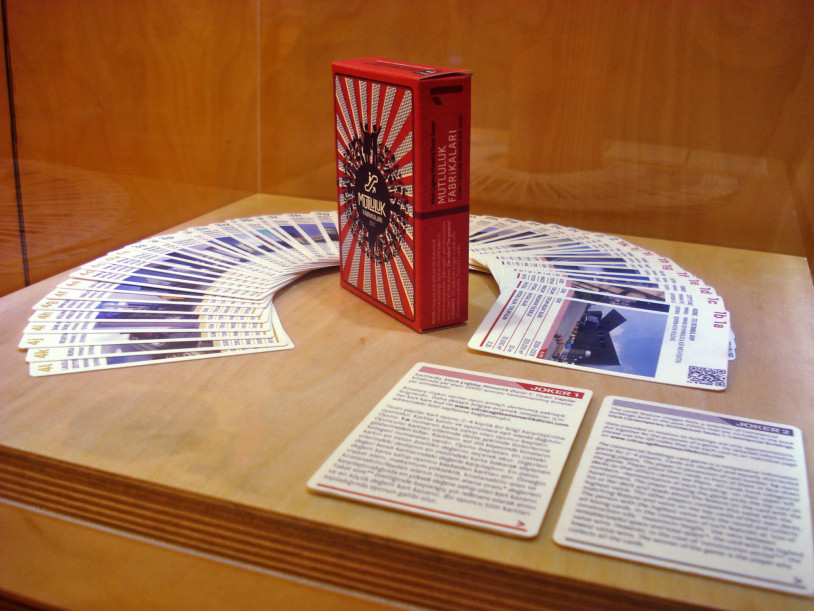
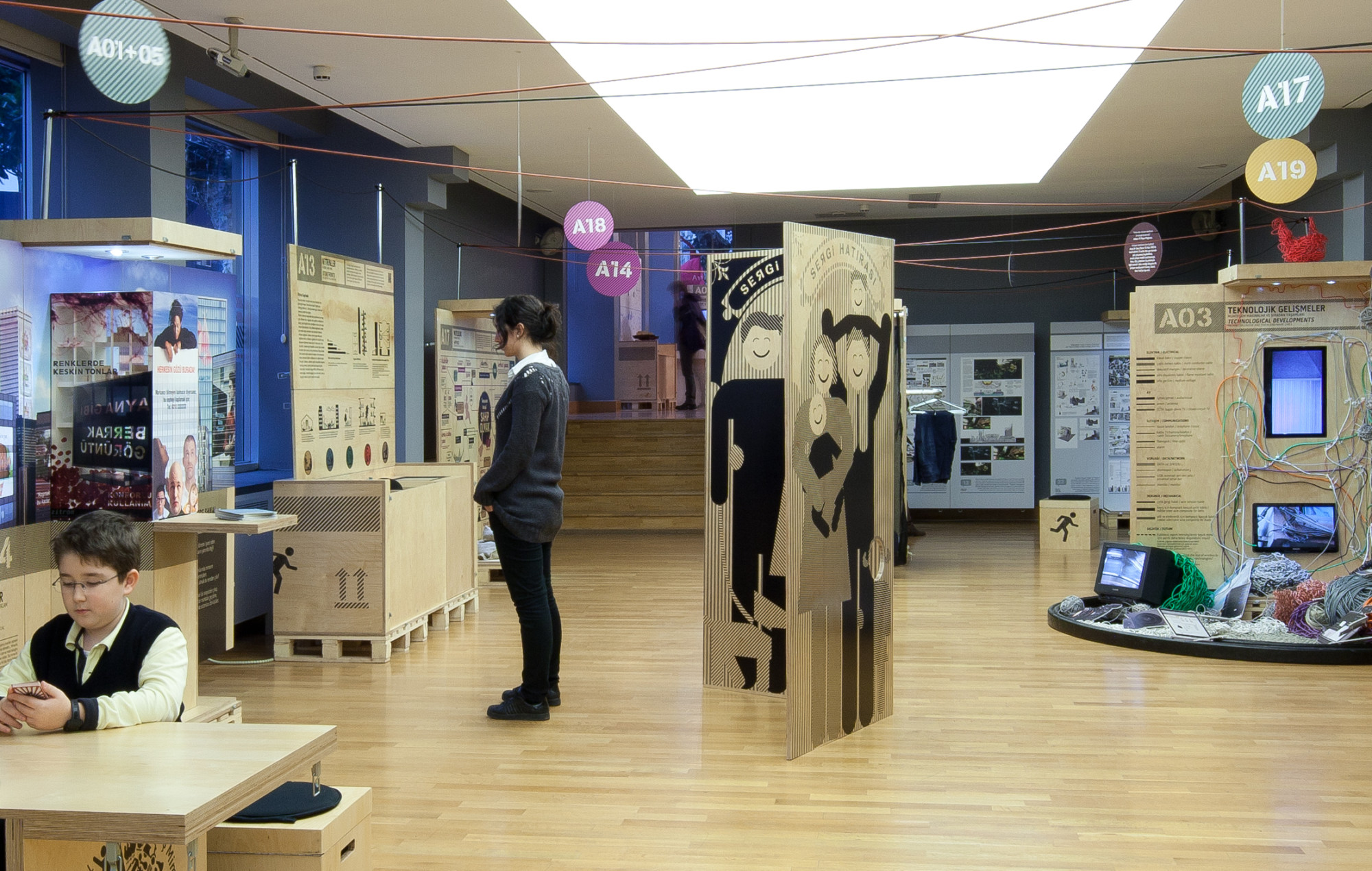
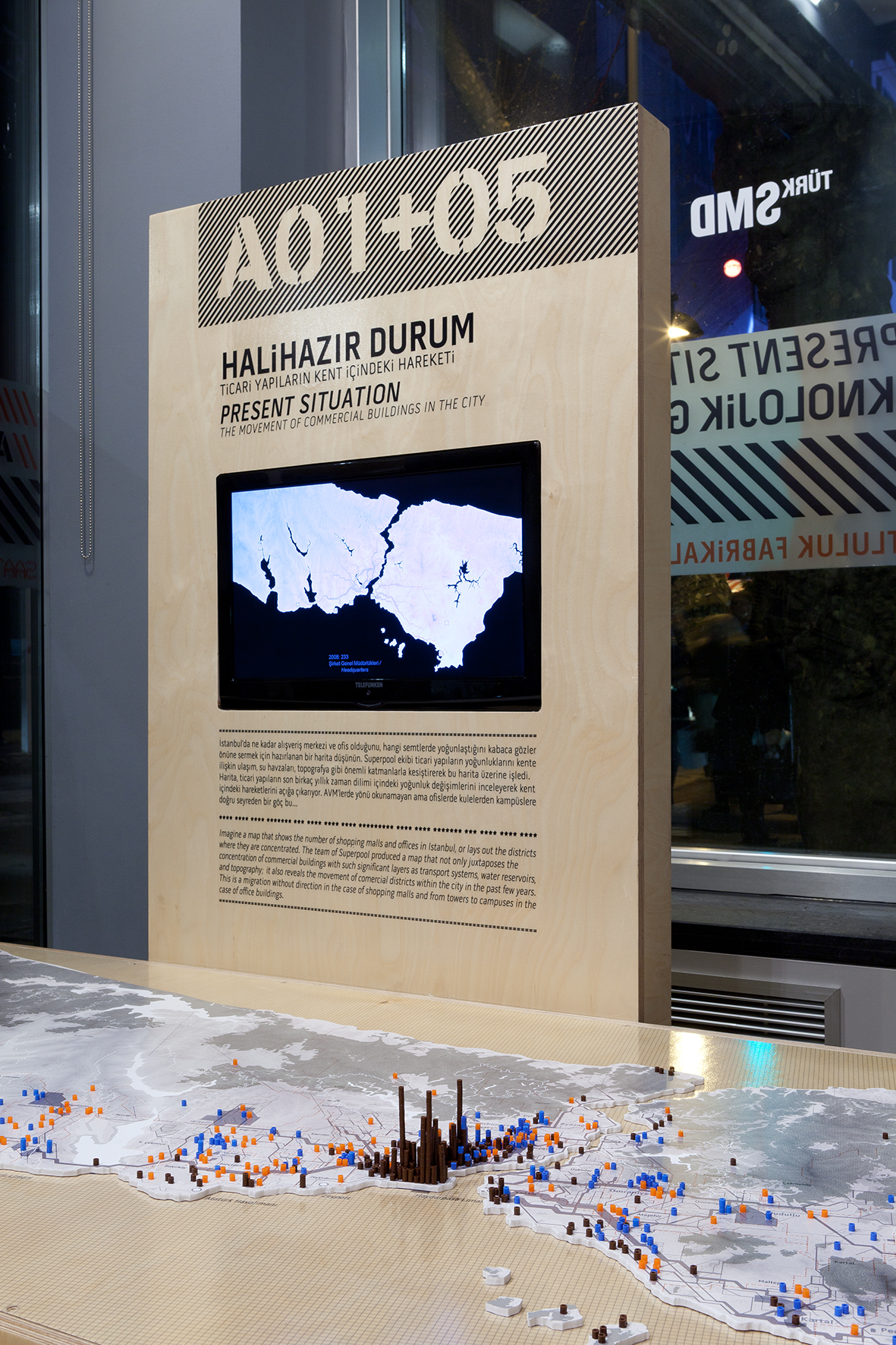
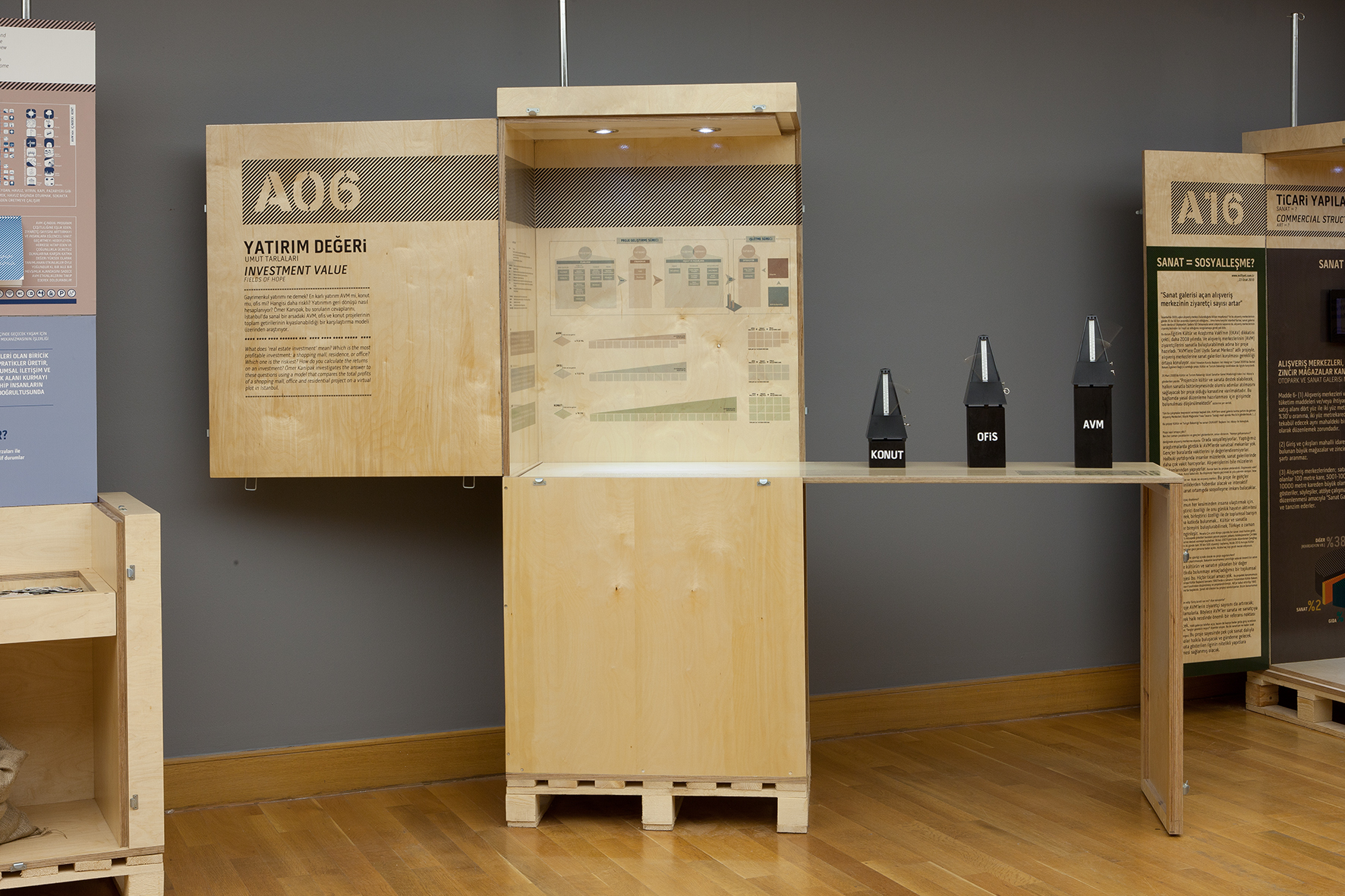
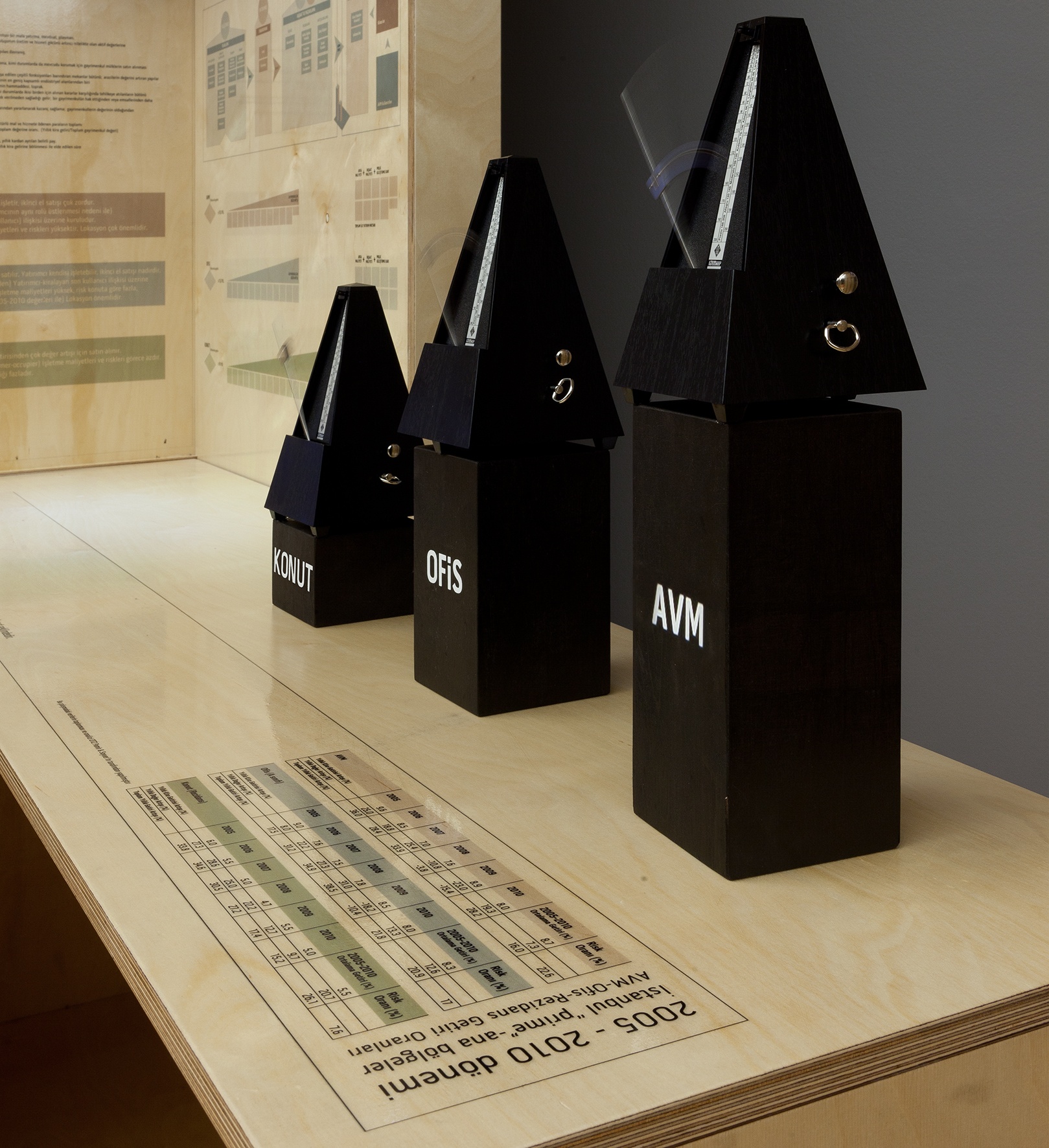
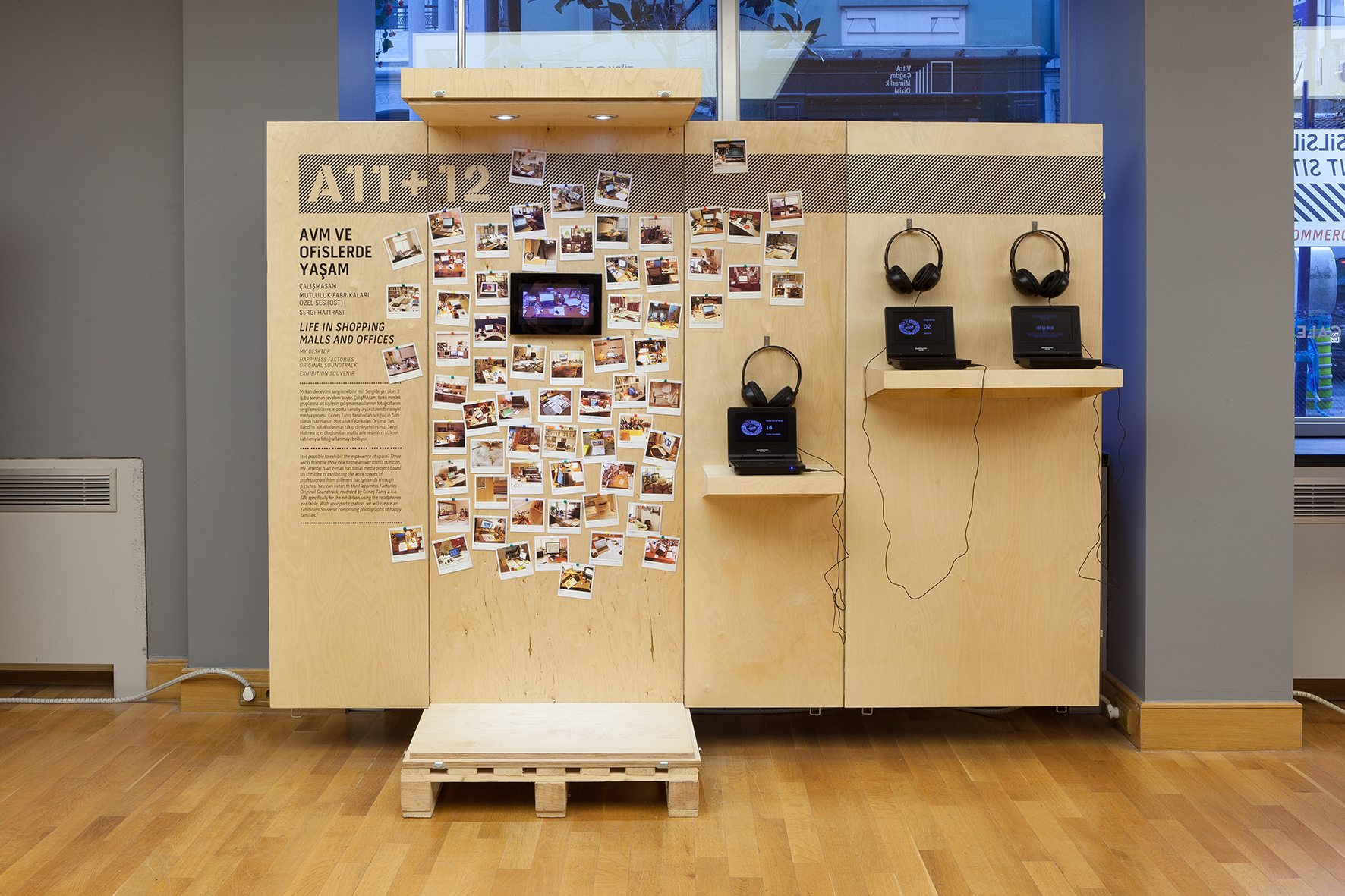
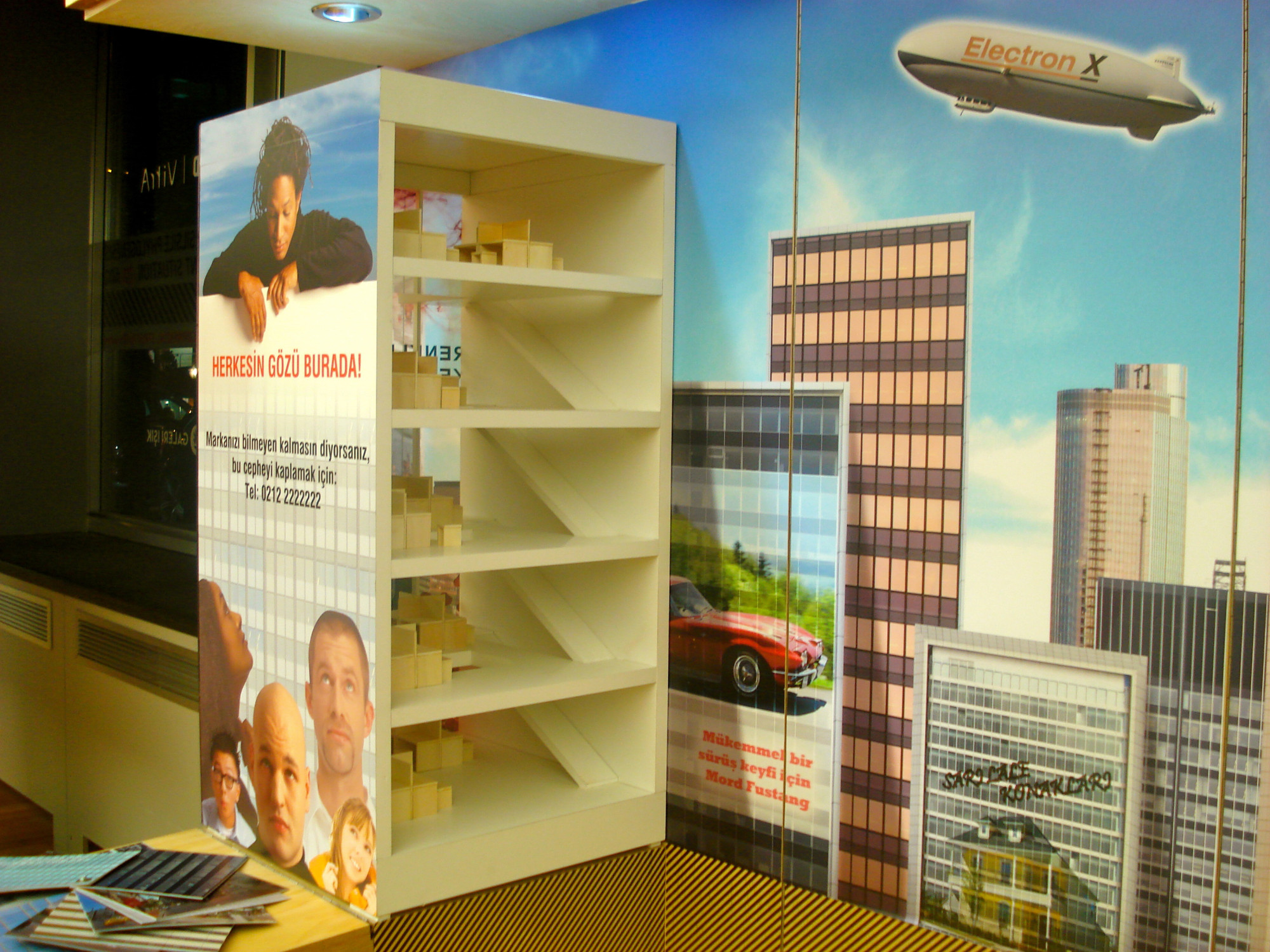
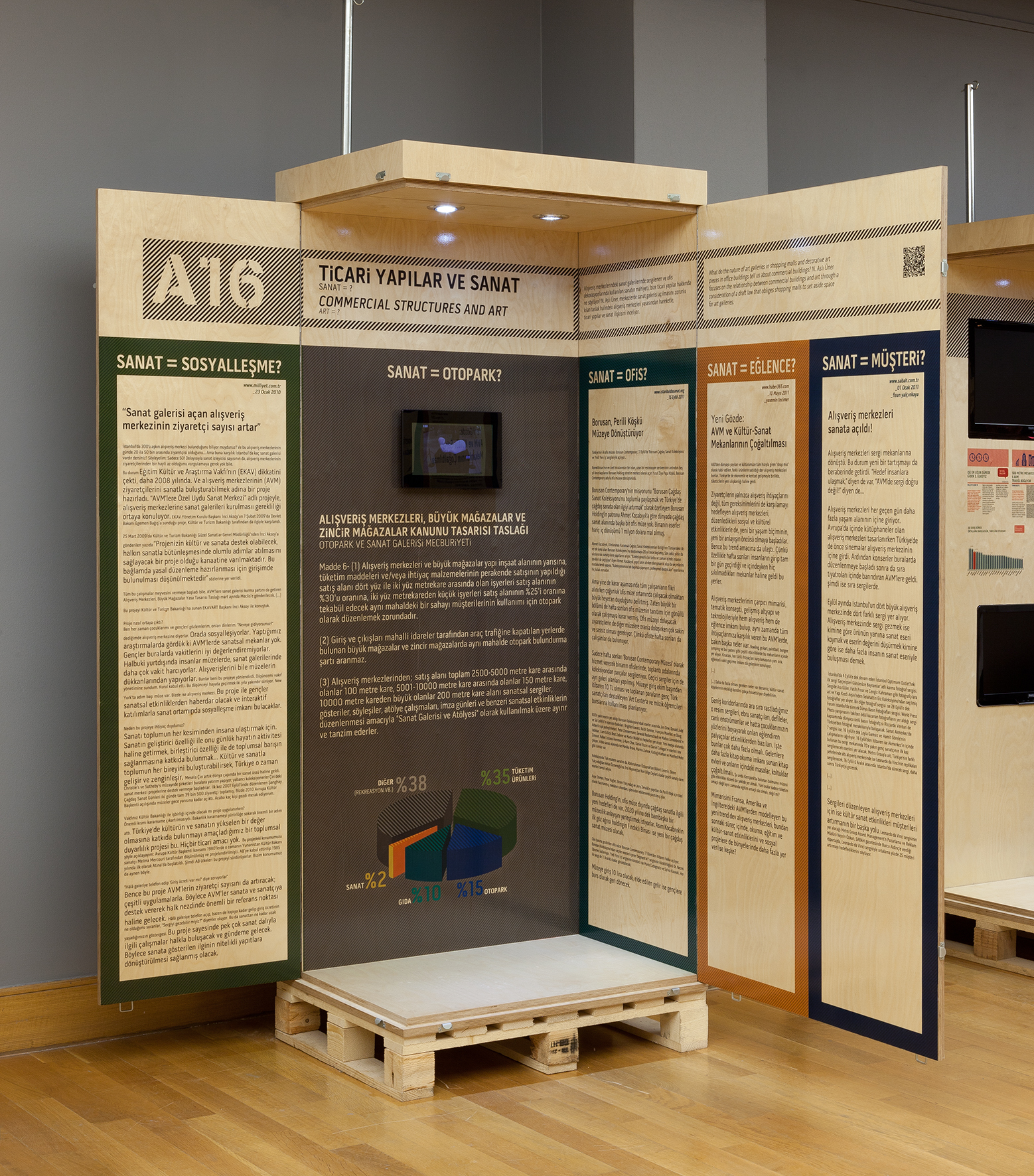
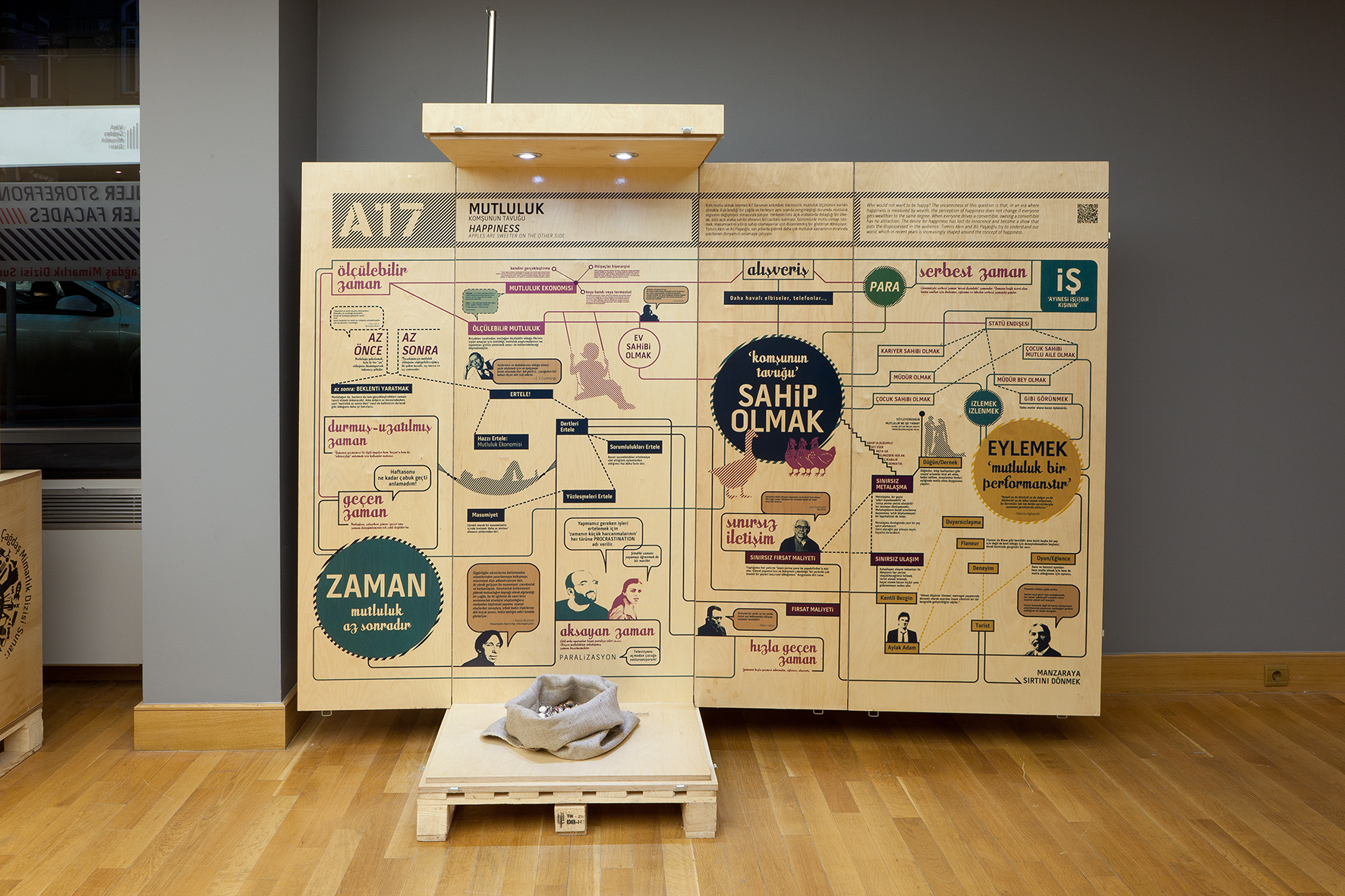
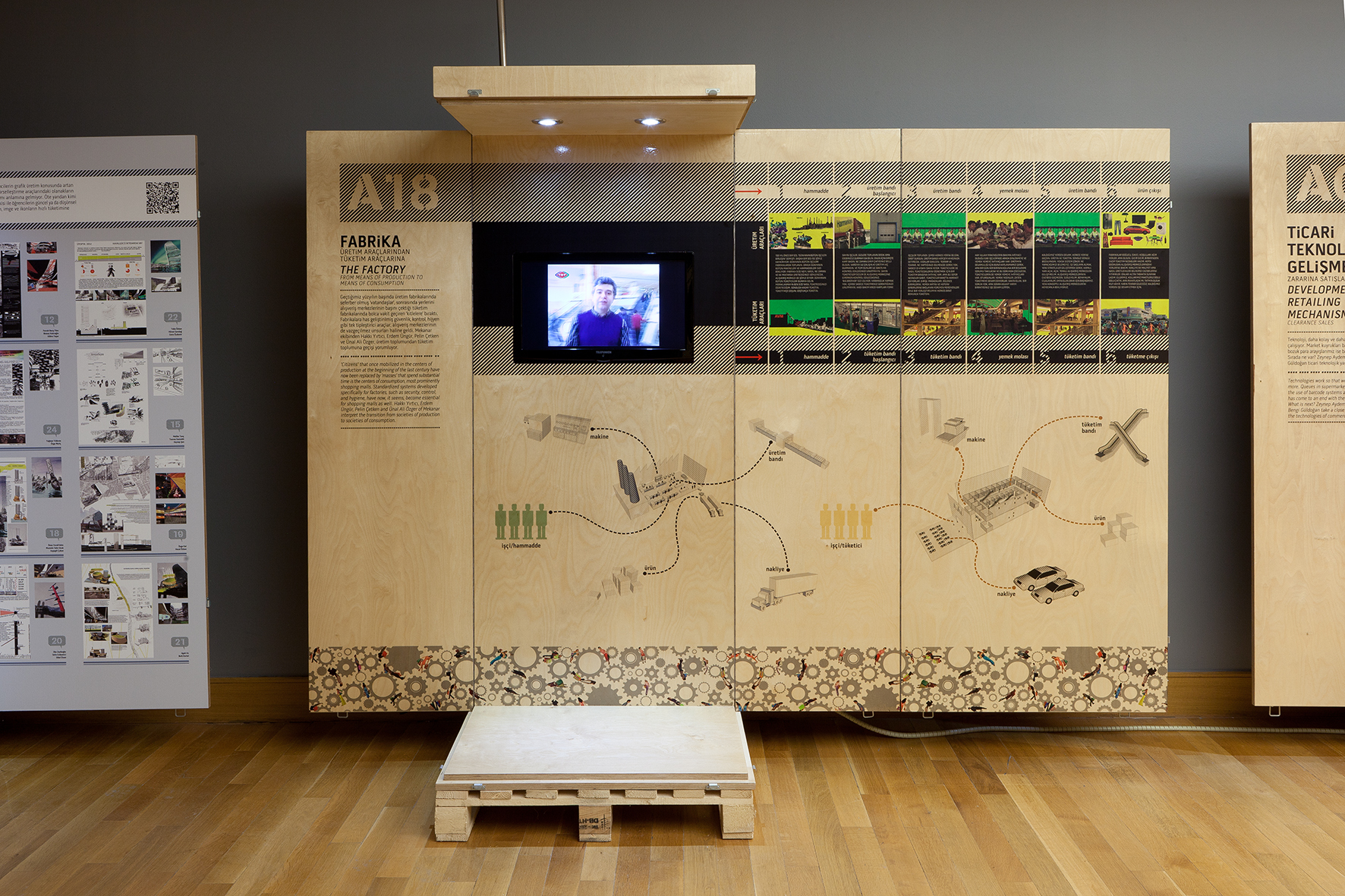
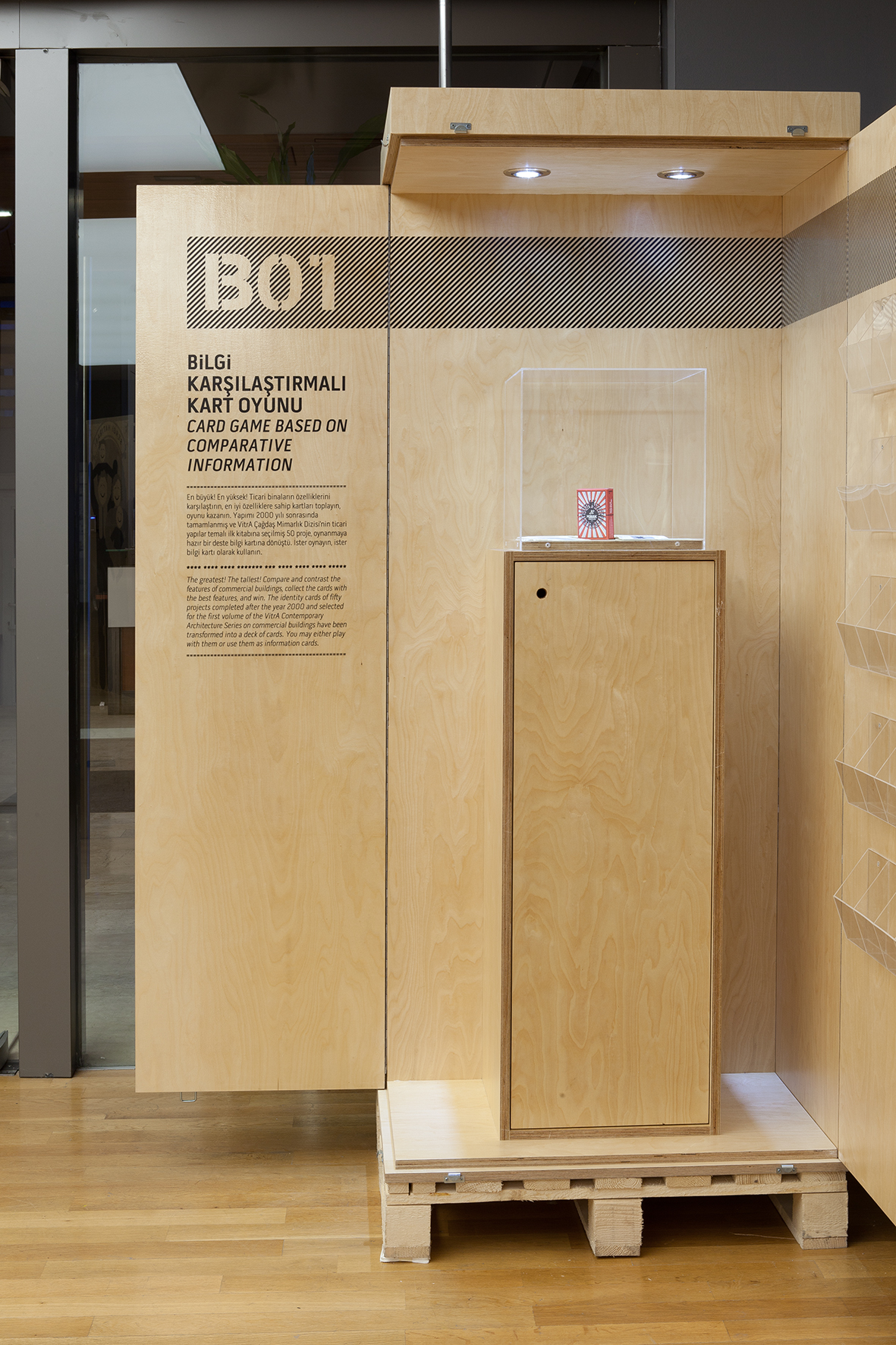
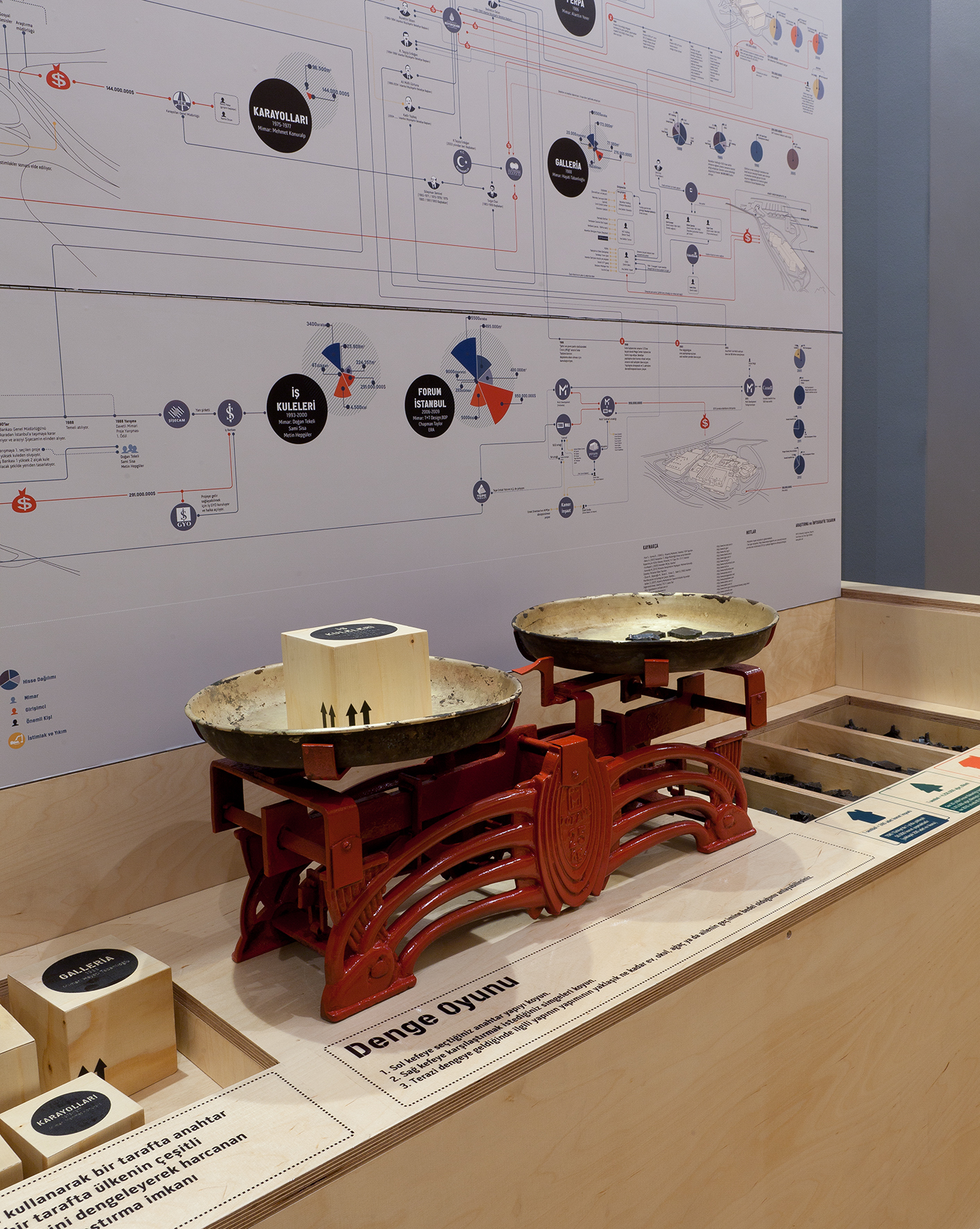
The first exhibition in the series, Happiness Factories, explored everyday life in commercial buildings—primarily shopping malls and office buildings, where millions of people spend hours every day—and the transformations that had taken place over the previous ten years. The research and interpretations of fourteen architectural teams were presented in portable wooden boxes installed throughout the exhibition space.
From the exhibition text:
“The age we live in is one in which our desires can be programmed and directed, where the pulse of our satisfaction is monitored, where our intentions are reduced to numbers, and where we’ve been convinced that our inner worlds can be measured by converting them into statistics. From the moment we accepted that we could measure happiness, the idea that we could also manage it was bound to cross our minds... In an environment where happiness is so heavily tied to material possessions, it may be inevitable that it becomes something that can be bought and sold. All that remains is to build the ‘happiness factories’—offices, exhibition spaces, and shopping malls—where happiness changes hands, is planned, directed, managed, produced, and distributed.”
“If it were not for escalators and elevators, would commercial buildings look the way they do today?”
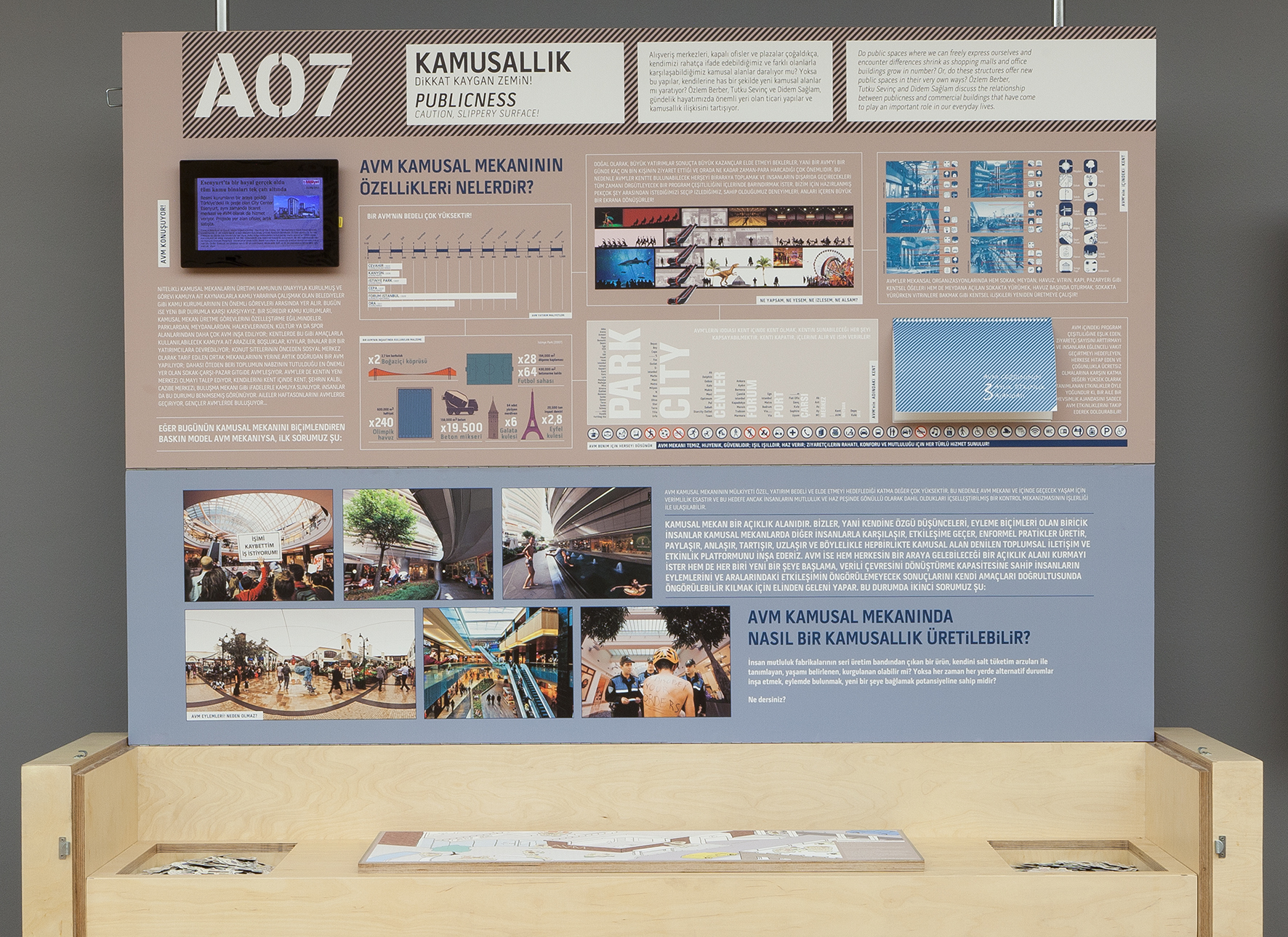
“As shopping malls, enclosed offices, and office towers proliferate, are public spaces—where we can comfortably express ourselves and encounter those who are different—shrinking? Or are these structures creating new public spaces in their own unique way?”
“The ‘citizens’ who had mobilized in production factories at the beginning of the last century were later replaced by ‘masses’ who spent a great deal of time in consumption factories, with shopping malls at the forefront.”
“Technology is working to make it easier for us to consume more. The sounds of barcode scanners have put an end to grocery store lines, and our search for change has been replaced by debit cards. What’s next?”
The exhibition was first shown at Galeri Işık (Istanbul) and then at the TSMD Architecture Center (Ankara).
| Curator | Saitali Köknar |
| Coordinator | Pelin Derviş |
| Graphic design | Didem Ateş Mendi (anonim.istanbul) |
Back To Top