ISTANBUL – WORLD CITY EXHIBITION
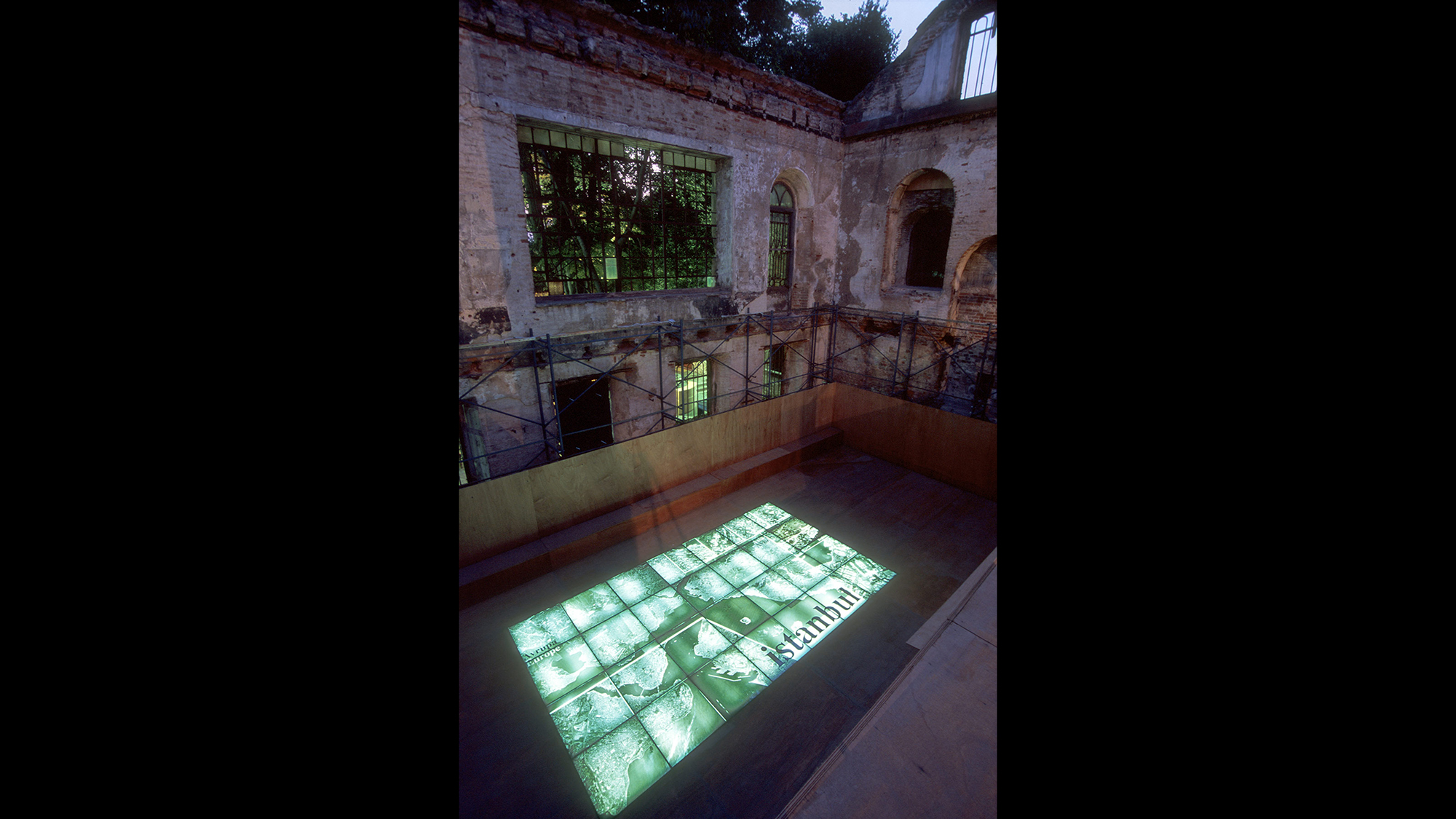
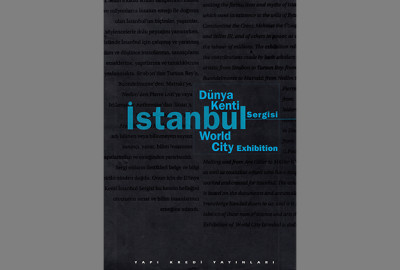
The Istanbul – World City Exhibition opened in 1996 in the historic Imperial Mint buildings located within the outer courtyard of Topkapı Palace, as part of the Habitat II Urban Summit. Organized by the History Foundation, the exhibition was conceived around historical testimonies ranging from Strabon to Melling, unfolding within a chronological framework extending from prehistory to the present day.
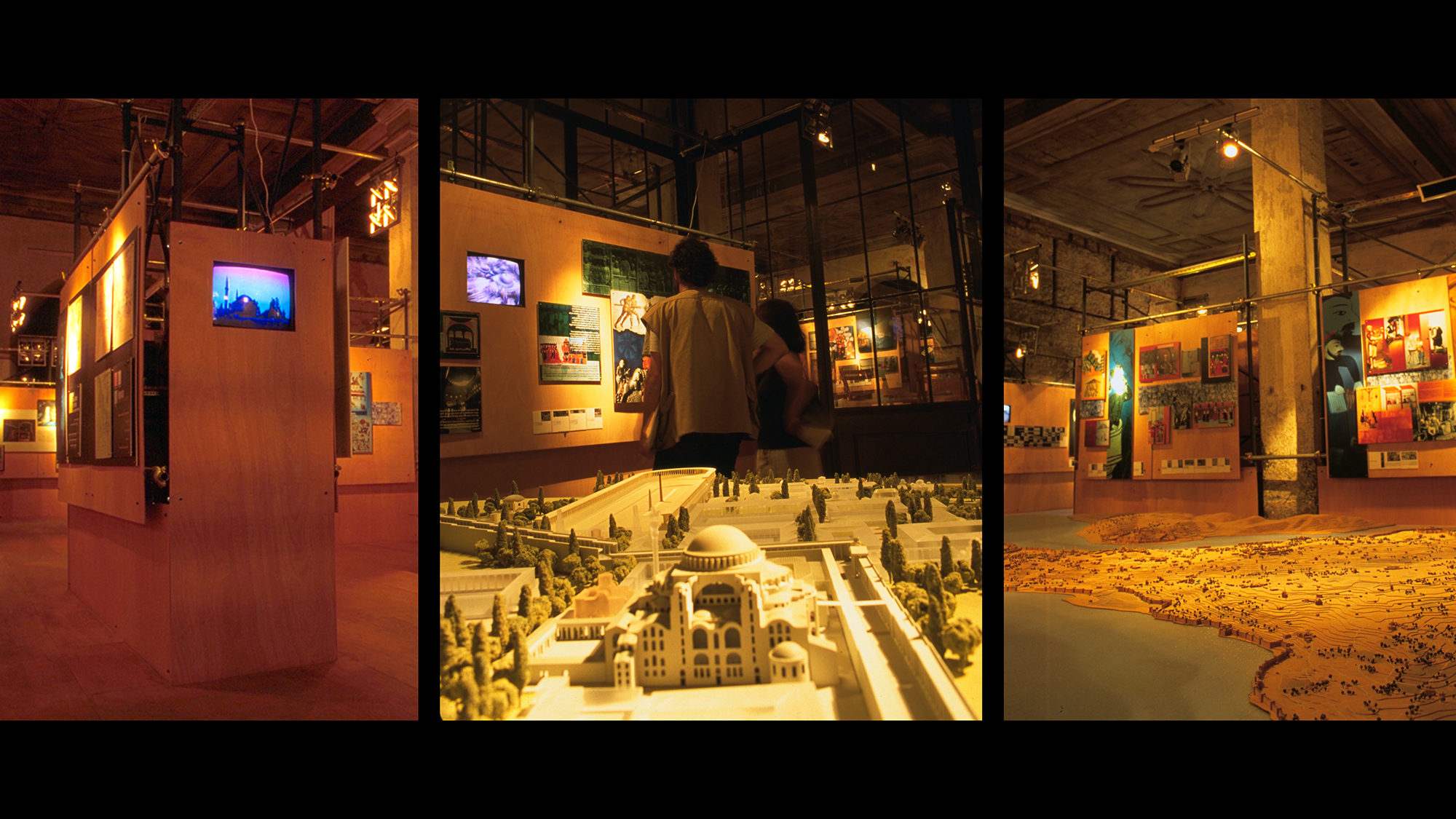
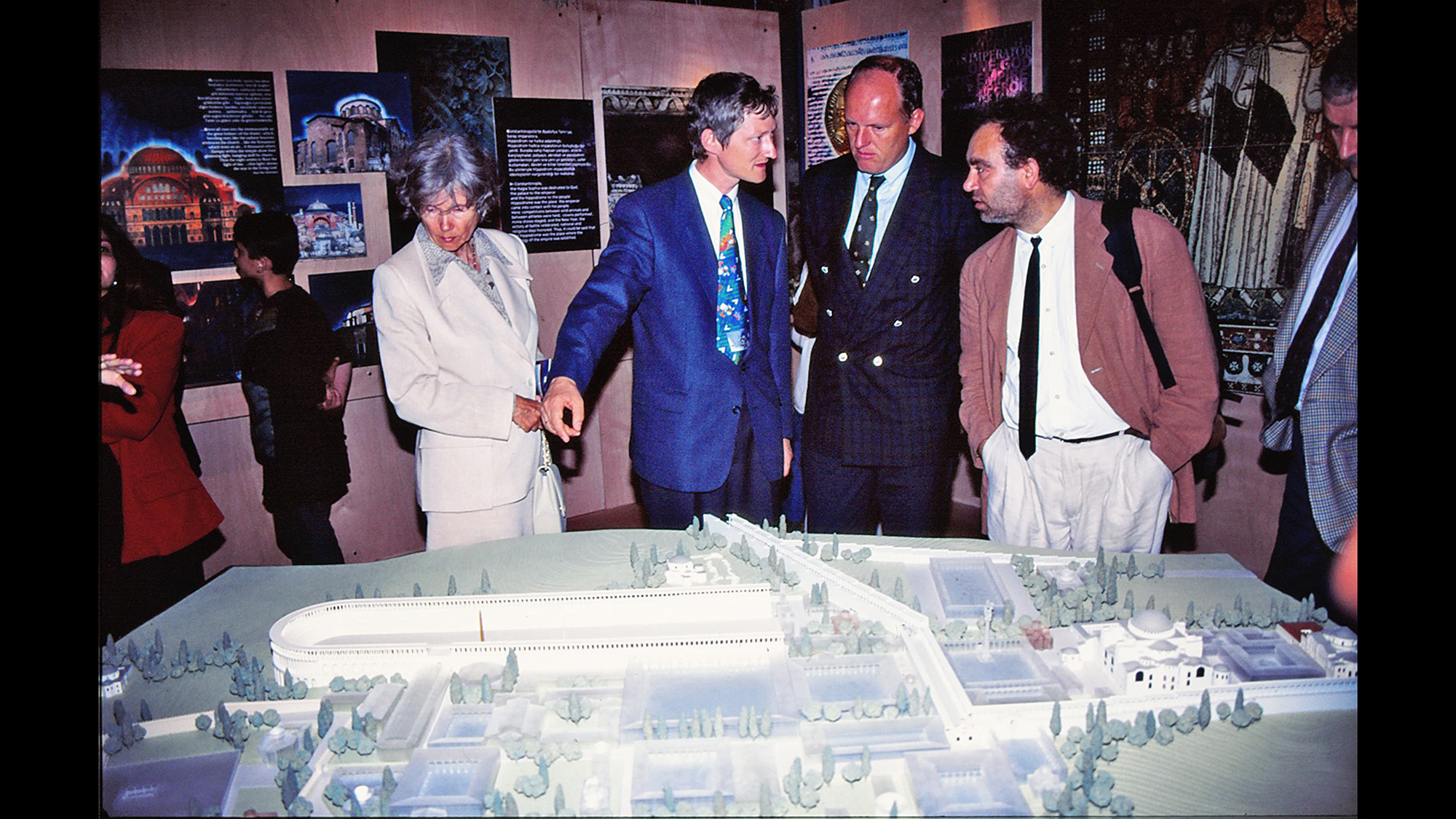
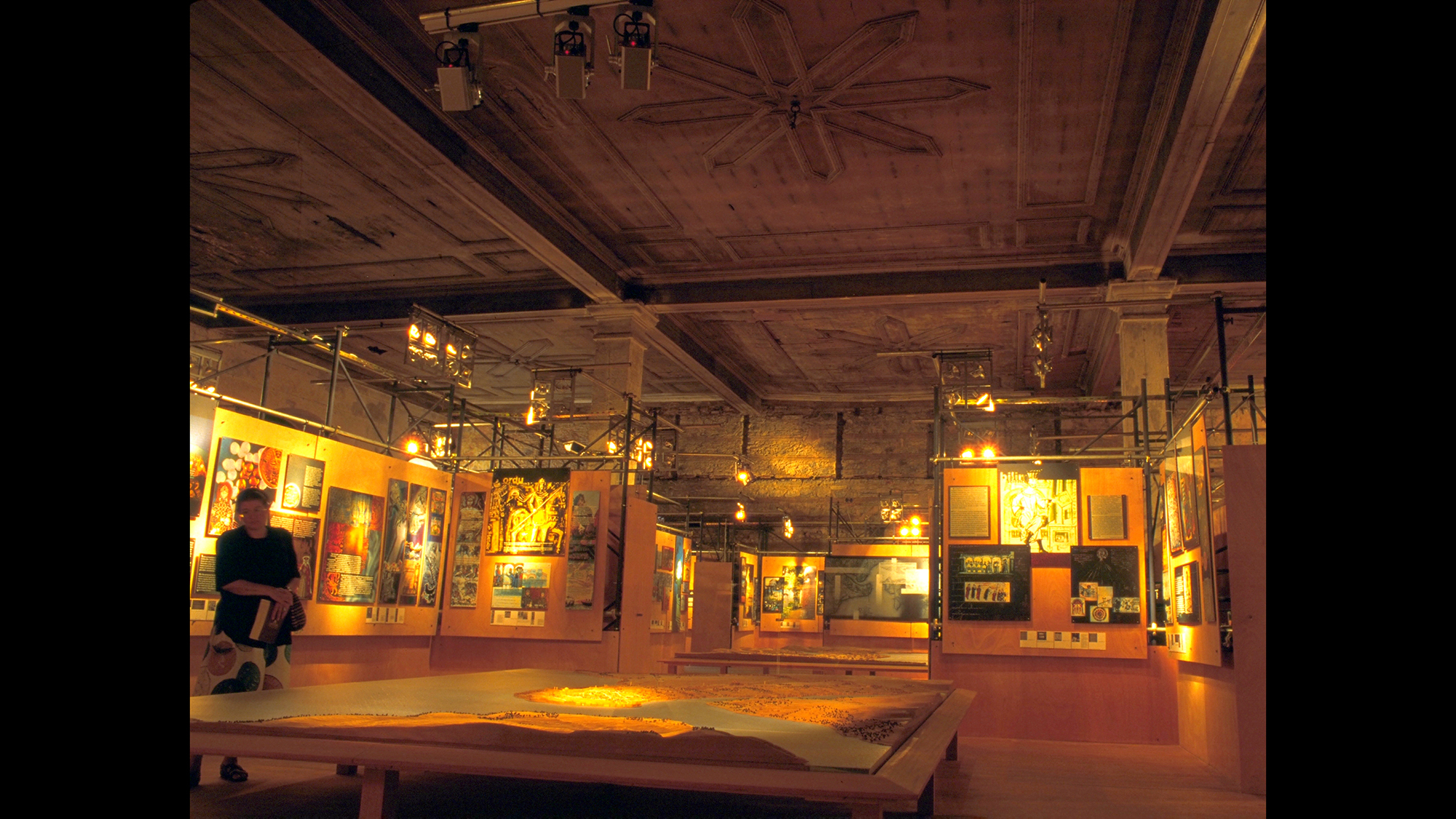
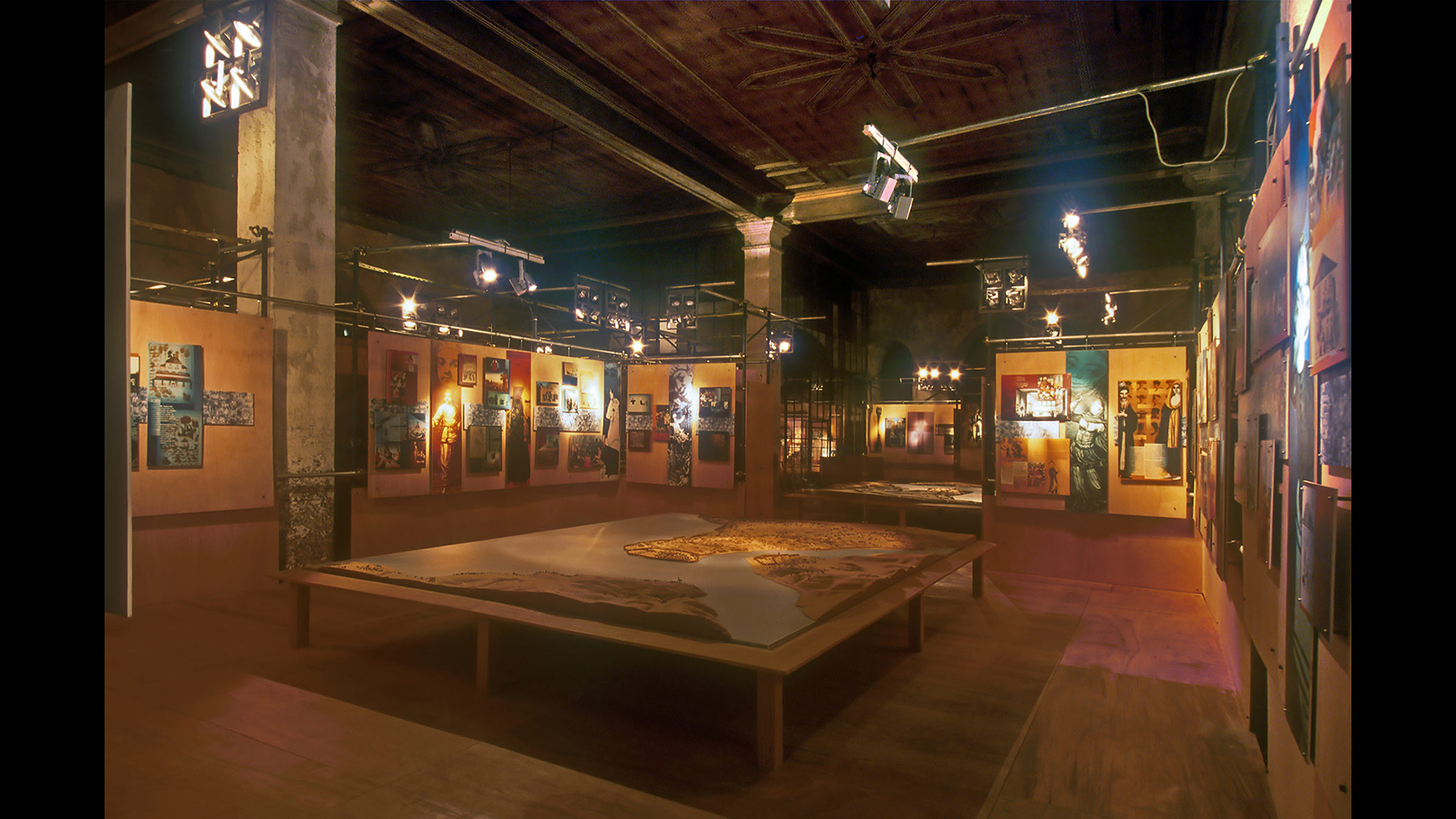
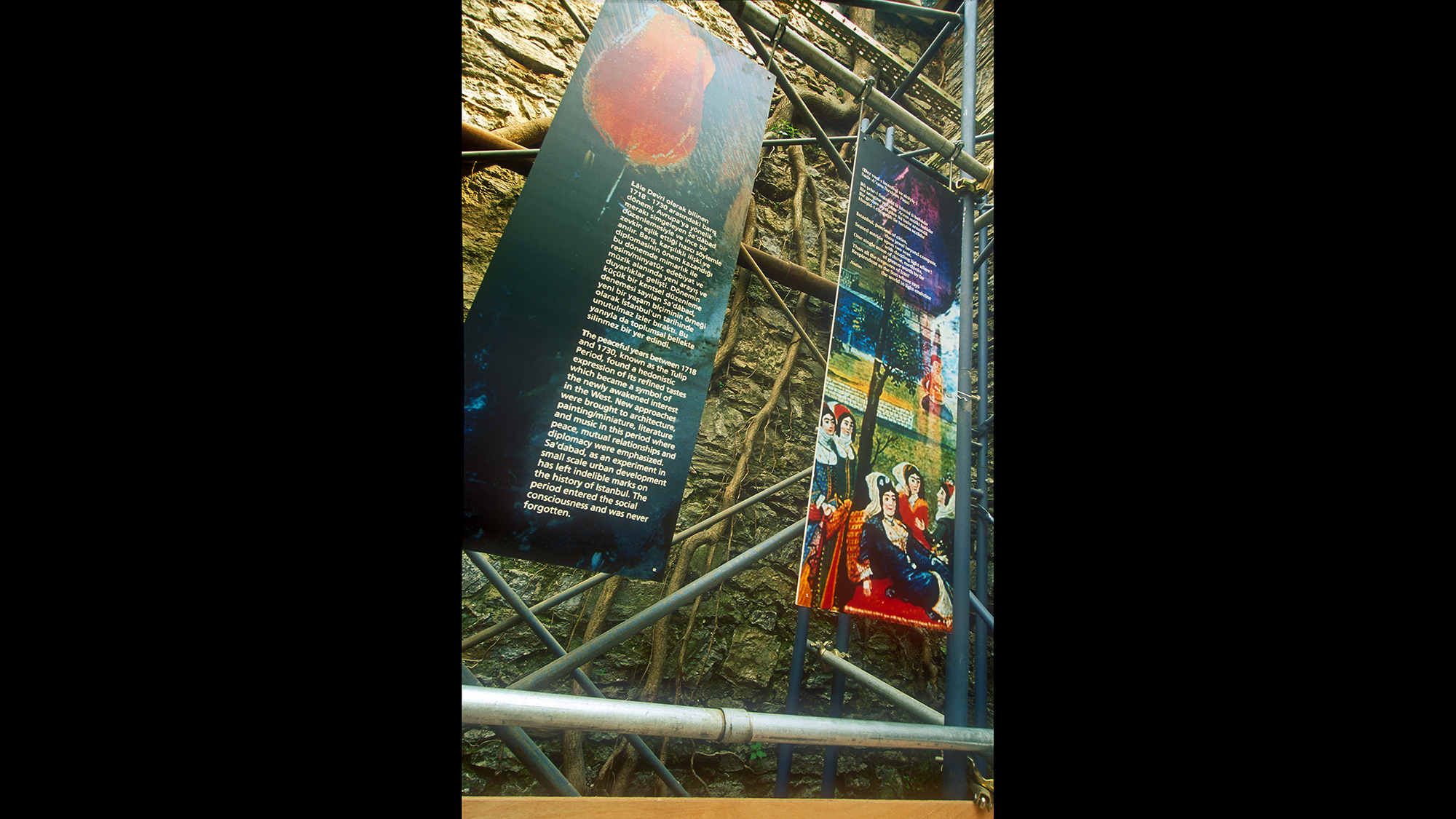
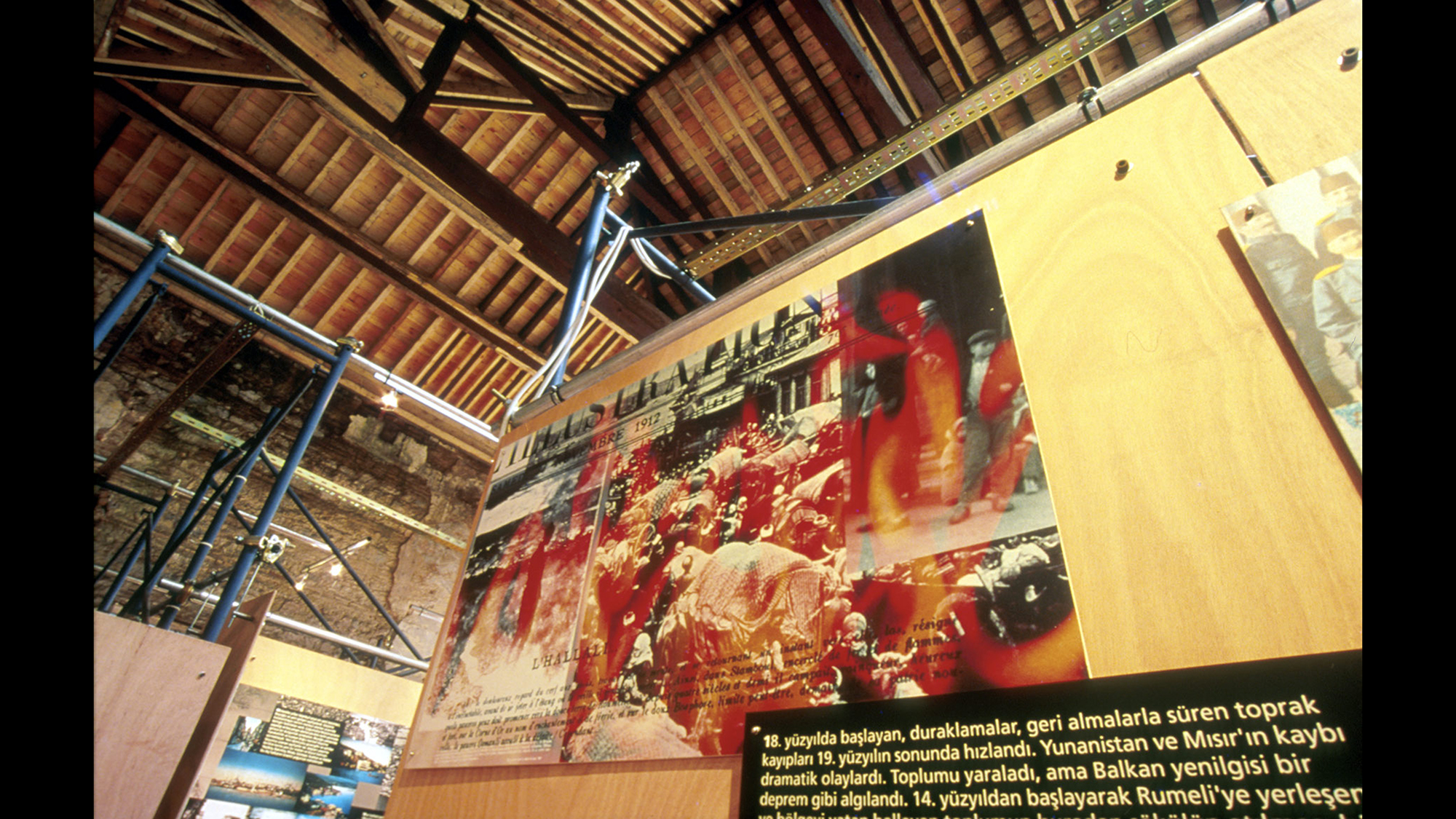
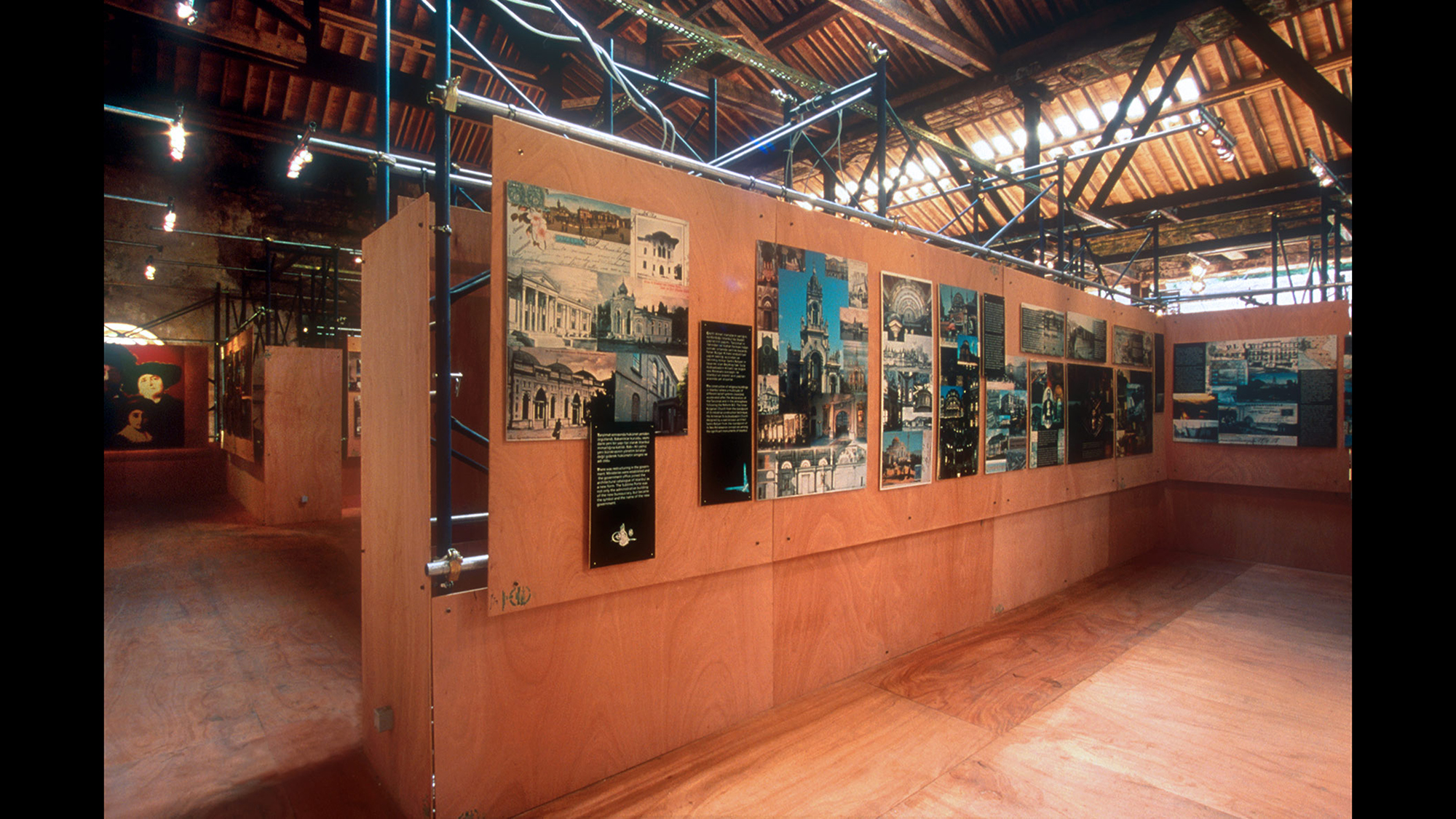
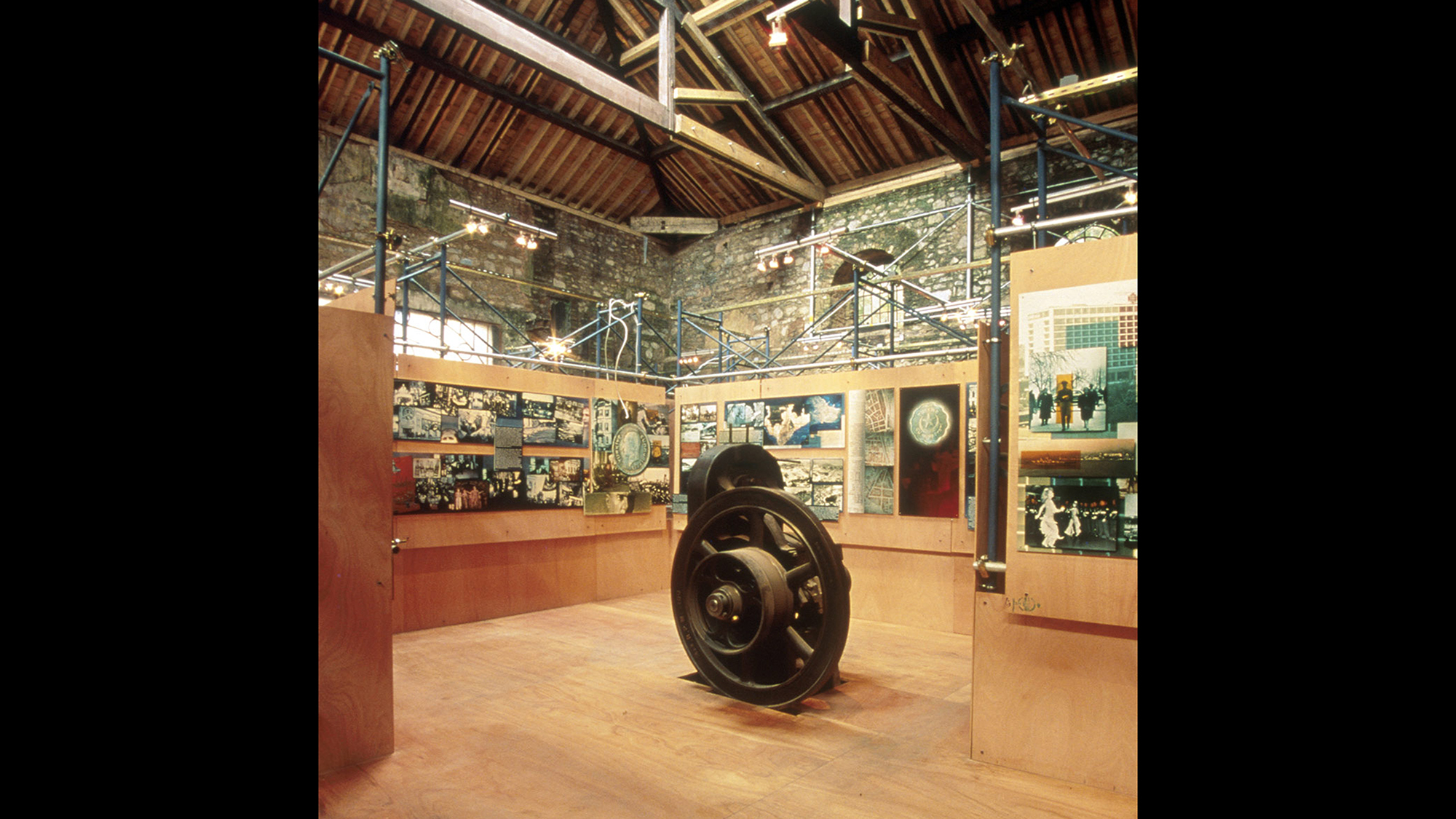
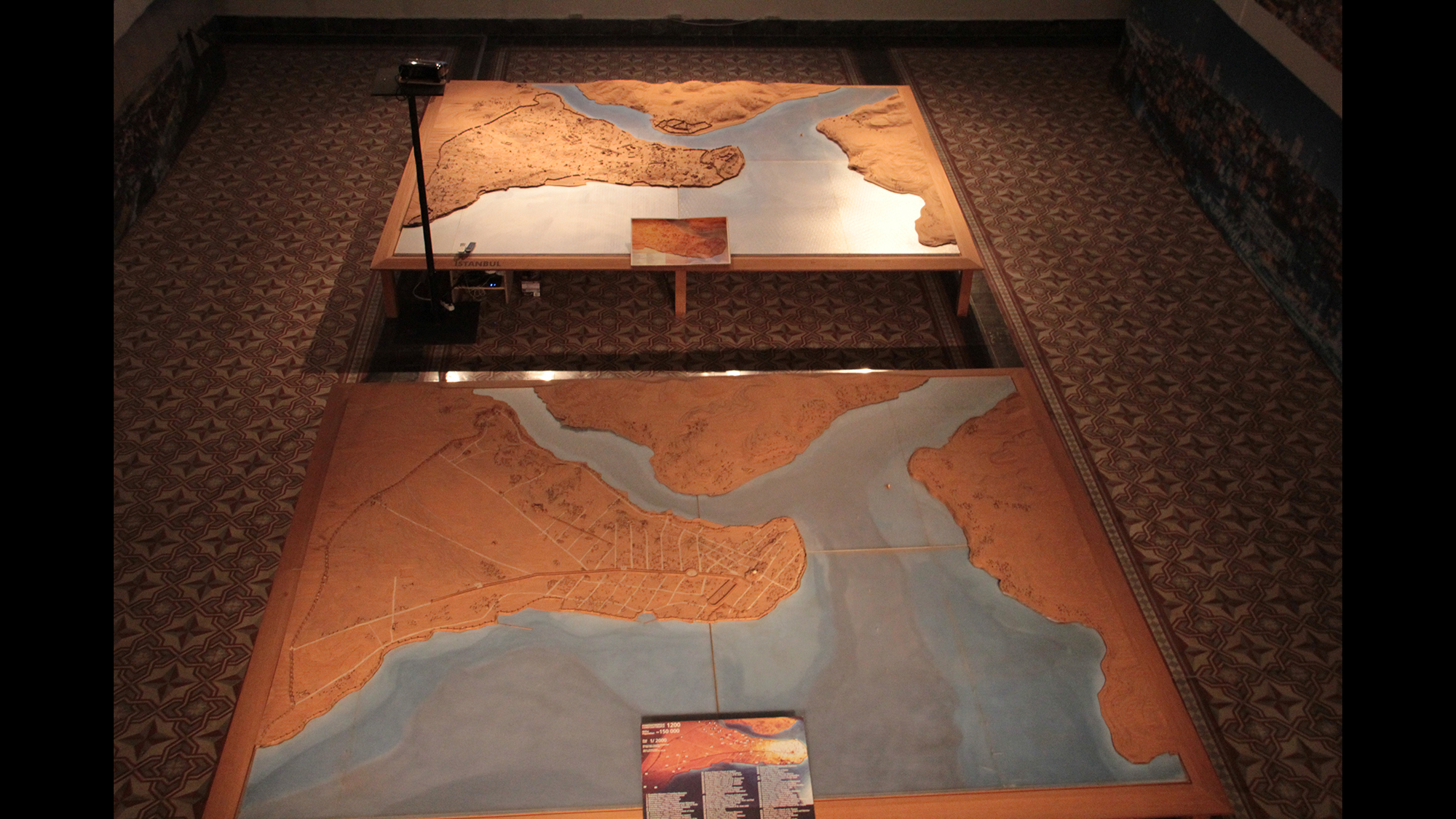
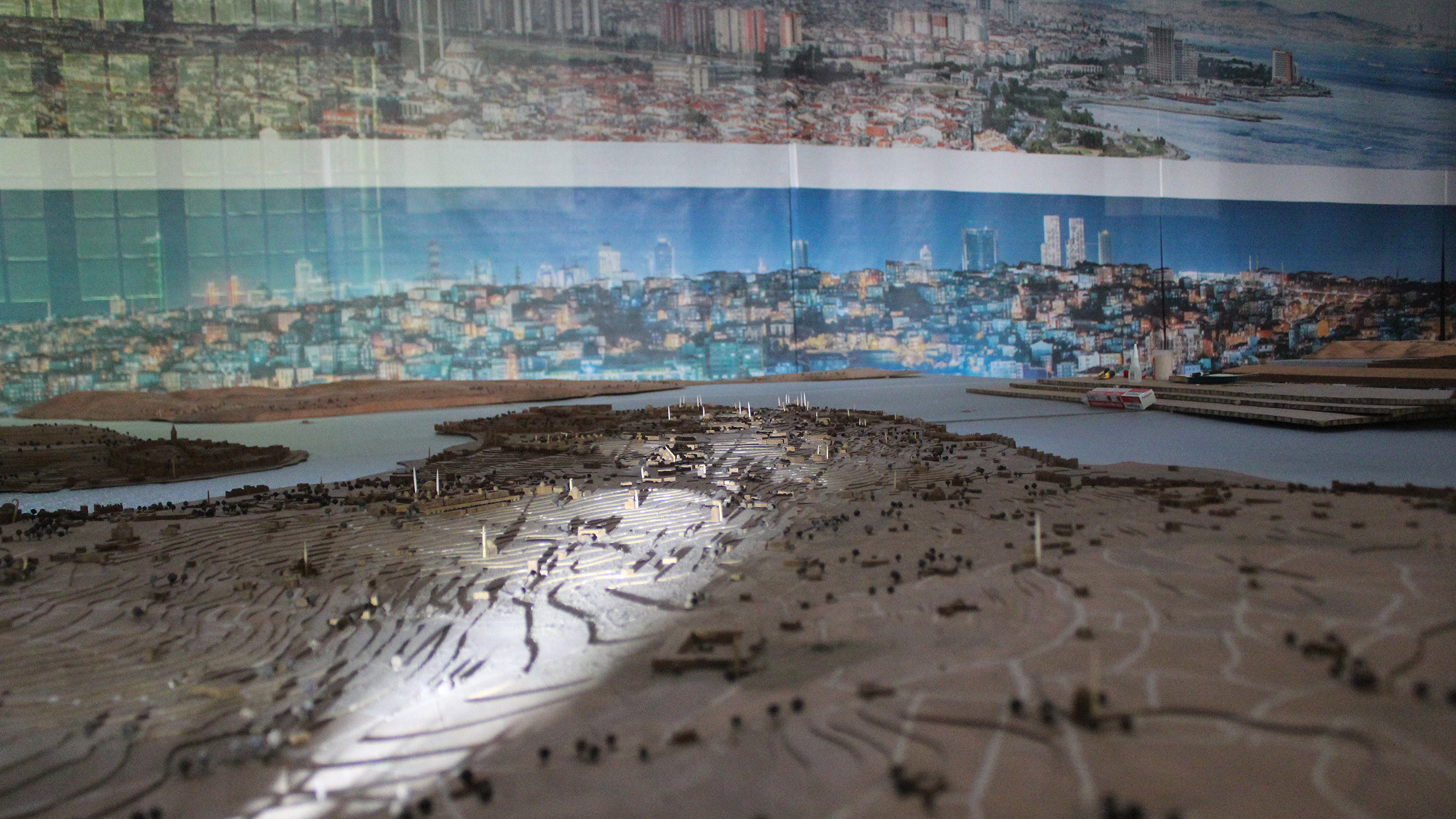
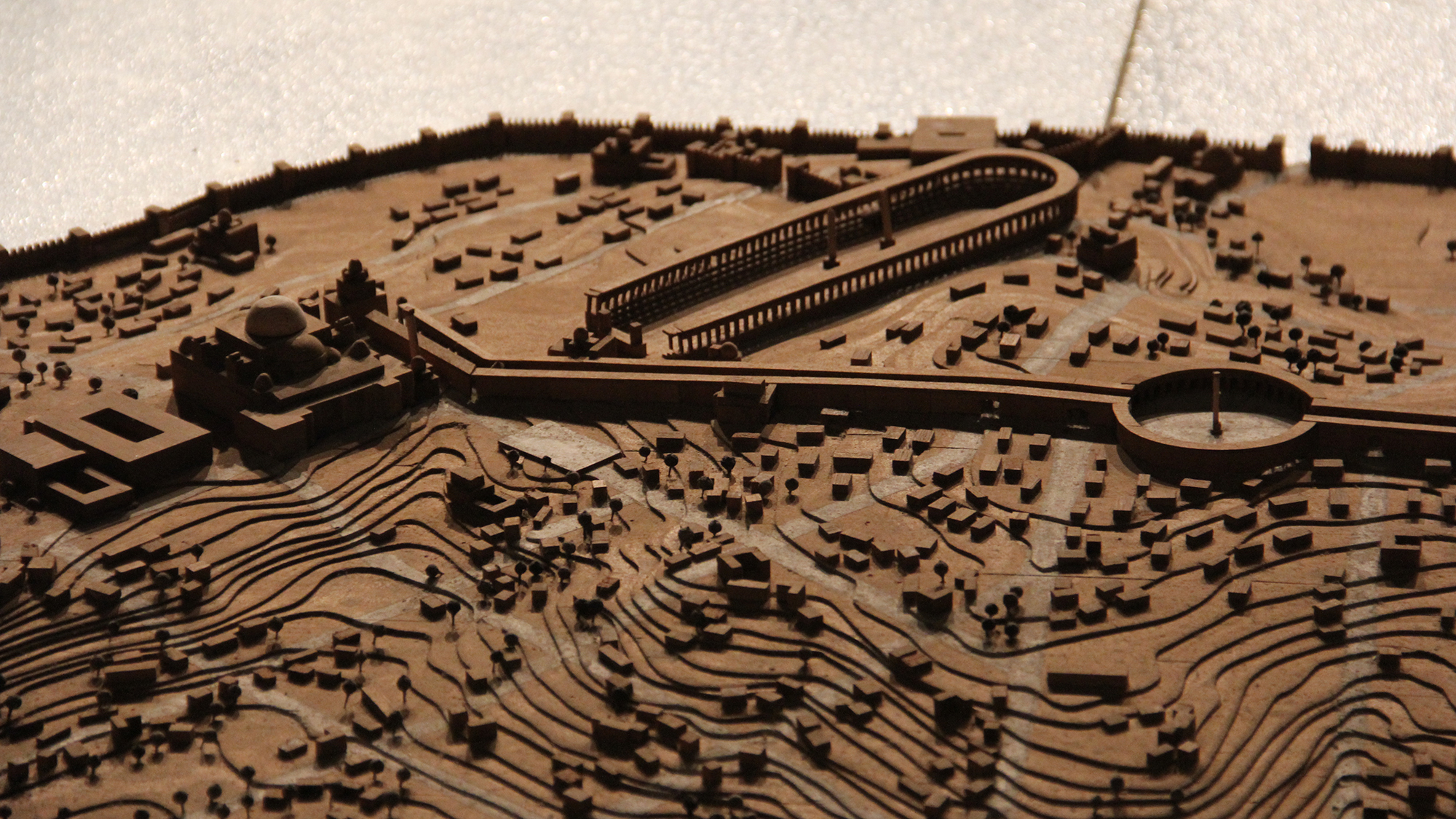
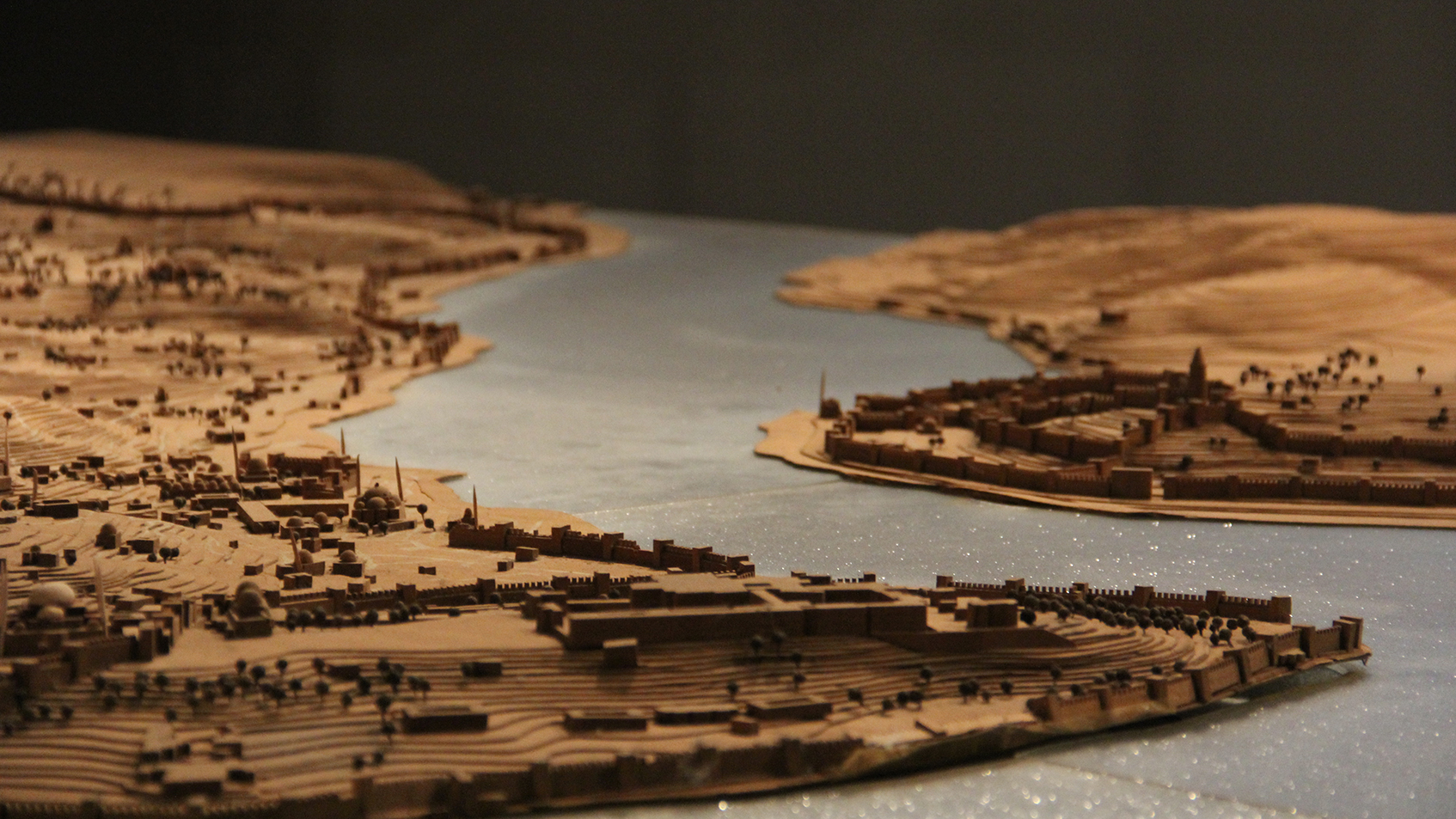
By inserting a scaffold structure and plywood surfaces between itself and the historic building it inhabited, the exhibition at times constructed its own abstract spatial world, while at other moments opening directly onto the historical fabric of the site. This environment was accompanied by panels, each treated almost as a digital artwork, as well as documentaries, video clips, and models specially produced for the exhibition.
The exhibition’s chronological structure was shaped through the heartfelt contributions of seven section curators who assumed direct responsibility, dozens of scholars, and a young team coordinating the process. Alongside the chronological exhibition, sections titled The Musics of Istanbul, Istanbul Costumes, and 15m² Istanbul also formed part of Istanbul – World City Exhibition. The exhibition functioned as a nucleus for the Istanbul Museum that the History Foundation envisioned establishing in the future. Yet this museum project never came to fruition. Still, all exhibition materials were preserved in storage in the hope that they might one day come back to life.
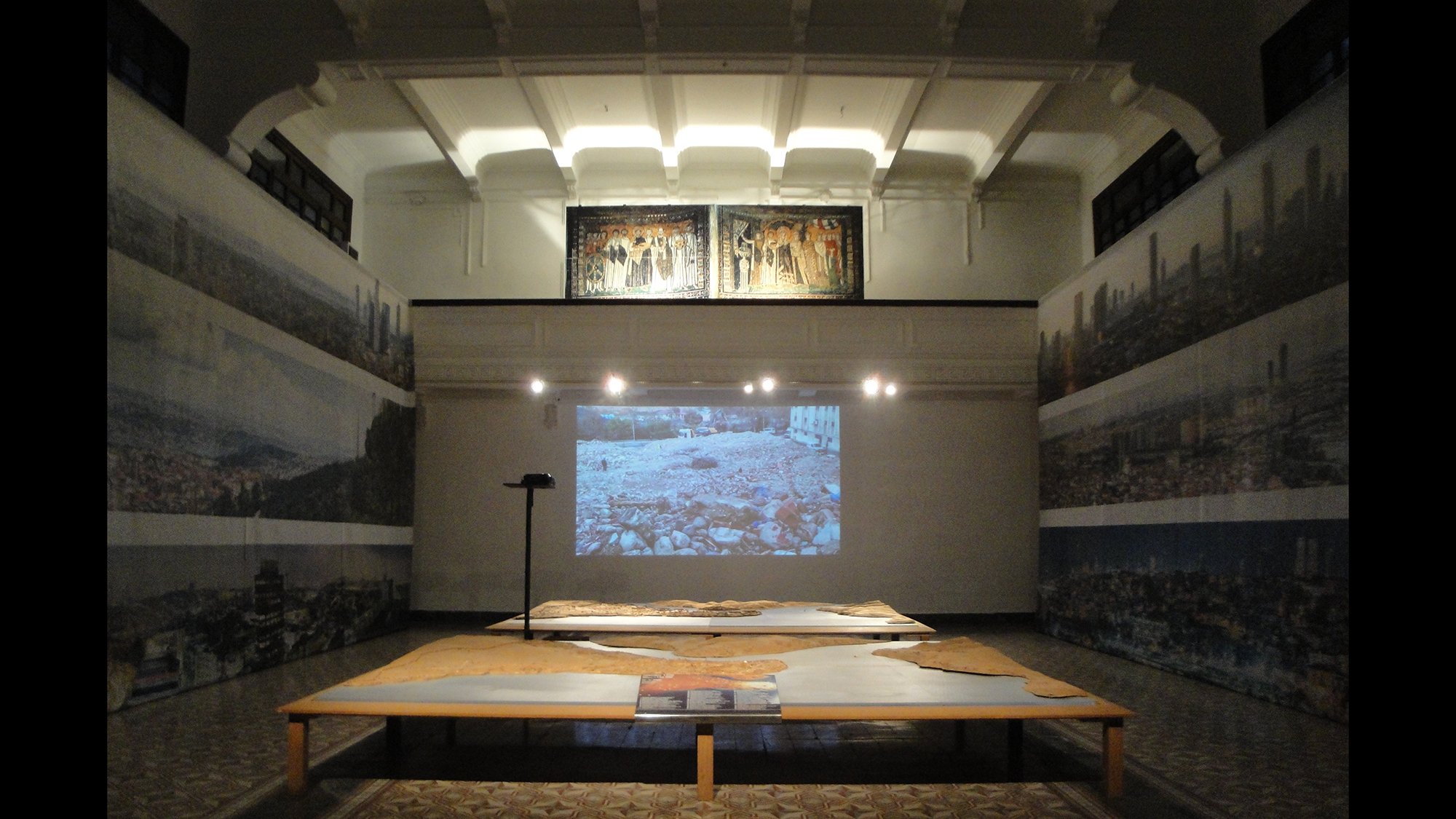
Eighteen years later, in 2014, the exhibition reopened under the title Again, New: Istanbul – World City, this time at the Galata Greek School. Conceived as an attempt to reactivate memory within an Istanbul that had changed, transformed, and become increasingly homogenized, the exhibition sought to invite viewers to look again at a city rendered ordinary through interventions, impositions, and acts of erasure.
In this new iteration, the exhibition was rescaled in accordance with the spatial conditions of the Galata Greek School, while photographs by artist Murat Germen reflecting Istanbul’s transformation were incorporated as a central component of the exhibition. At the close of what would be the exhibition’s final encounter with its audience, its constituent parts were entrusted to the people of Istanbul.
| General coordinator | Prof. Dr. Afife Batur |
| Assistant coordinator (scientific) | Pelin Derviş |
| Assistant coordinator (executive) | Canset Aksel |
| Assistant coordinator (technical) | Zeynep Fulya Kaya |
| Curators | |
| Istanbul in Prehistoric Times | Prof. Dr. Mehmet Özdoğan |
| Byzantion | Assoc. Prof. Dr. Oğuz Tekin |
| Constantinople | Prof. Dr. Ayla Ödekan |
| Istanbul in the Ottoman Period | Assoc. Prof. Dr. Ethem Eldem |
| Istanbul in the Late Ottoman Period | Prof. Dr. Afife Batur |
| Painting | Prof. Dr. Günsel Renda |
| Music | Ersu Pekin |
| Istanbul in the Armistice and Republican Era | Prof. Dr. Atilla Yücel |
| The Musics of Istanbul | Evin İlyasoğlu |
| Istanbul Costumes | Çağla Ormanlar Ok |
| Architecture | |
| Project architect | Mehmet Konuralp, Konuralp AŞ |
| Design architect | Ahmet Özgüner, Paralel 41 Mimarlık |
| Creative group | |
| Project coordination | Ahmet Özgüner |
| Creative and art direction | Eray Makal, Şölen Bazman |
| Translation | Füsun Elioğlu, Engin Akyürek |
| Photo above, source: Münevver Eminoğlu |
Back To Top