ATATÜRK KÜLTÜR MERKEZİ, 1946-1977
The Atatürk Kültür Merkezi (AKM/Atatürk Cultural Center) holds a critical role as one of the most important architectural and cultural reference points in Turkey. Through its many phases of design, construction and operation, the project’s architects, the public, governmental and cultural groups vied with one another to control the direction for modern and contemporary culture in the country. Up through the decision in the spring of 2012 to renovate the building, competing interests endeavored to shape AKM along ideological lines, seeking to redirect its architecture, urban position and program based on their own visions. These debates introduce a wide range of issues and questions about the way culture functions in Turkey today. The Performance of Modernity: ATATÜRK KÜLTÜR MERKEZİ, 1946–1977, first shown at Salt Galata and subsequently at the TSMD Architecture Center in Ankara, takes AKM as a pivotal example in order to investigate the recent past as a window onto current cultural practices.
The Atatürk Kültür Merkezi in Istanbul has been modern Turkey’s touchstone for contemporary culture since the Mayor of Istanbul, Lütfi Kırdar, instigated the project to provide an opera house for Istanbul in 1946. The process of bringing the building to fruition was long and difficult, with different designs developed by a number of architects. The building was finally completed in 1969 by architect Hayati Tabanlıoğlu, but it was in operation for just one year before a fire caused seven further years of reconstruction, with AKM only being able to operate again in 1977. Throughout the latter half of the 20th century these ups and downs in the planning, construction, and operation of AKM described the dynamics of the modernization efforts of the Republic of Turkey as it attempted to create the institutions of a modern state and society.
The team of architects and designers led by Tabanlıoğlu envisioned this robust modernism in their plans for AKM. Tabanlıoğlu’s education in Germany and his advanced knowledge of opera and theatre buildings were complemented by the technical and design skills of architect Aydın Boysan, engineer Willi Ehle, lighting designer Johannes Dinnebier, and ceramic artists Sadi and Belma Diren. These practitioners, along with many other individuals and institutions, generated a civic public building at a scale and level of detail that had not existed before in Turkey.
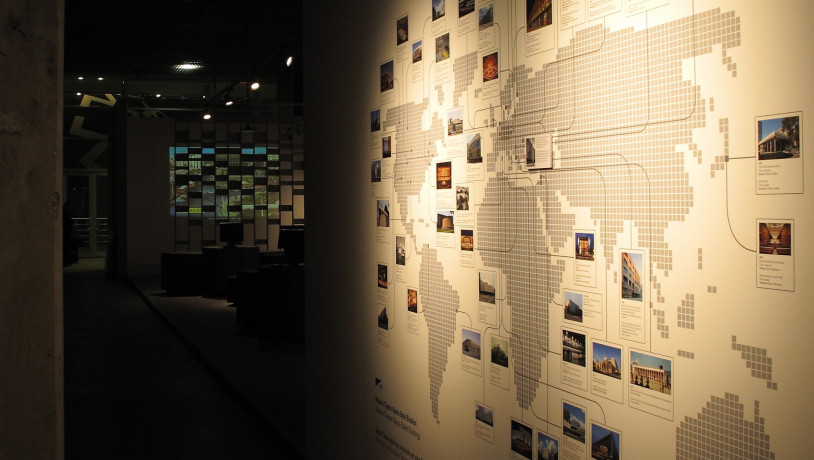
As one of the major projects of the 1960s, AKM was shaped by the policies of the central government in Ankara, as well as by the municipal and urban context of Istanbul. In parallel to the construction of many modern opera and theatre buildings in the same time period in other parts of the world, such as the Sydney Opera House in Australia, Metropolitan Opera in New York and a number of theatres in Germany, AKM represented Turkey’s efforts towards the increasing importance of the arts and culture in the public sphere.
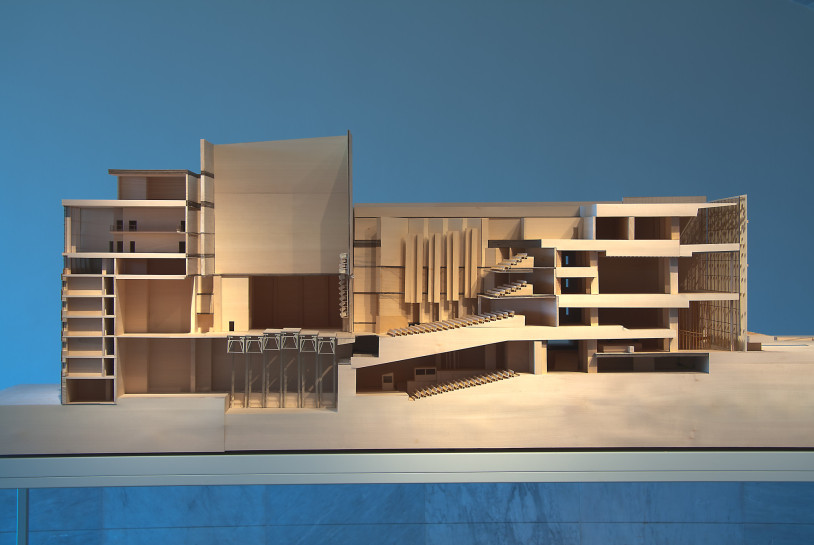
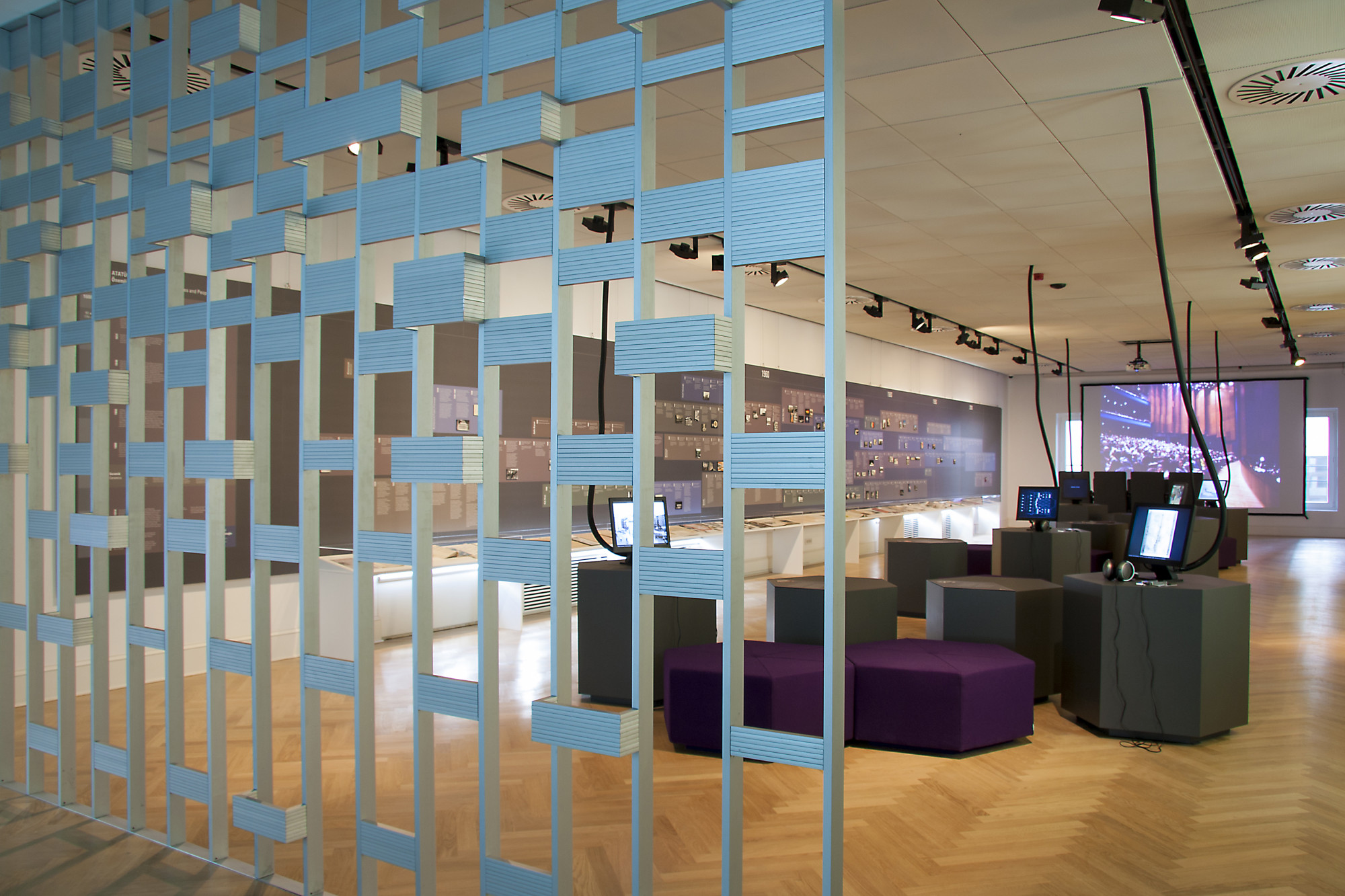
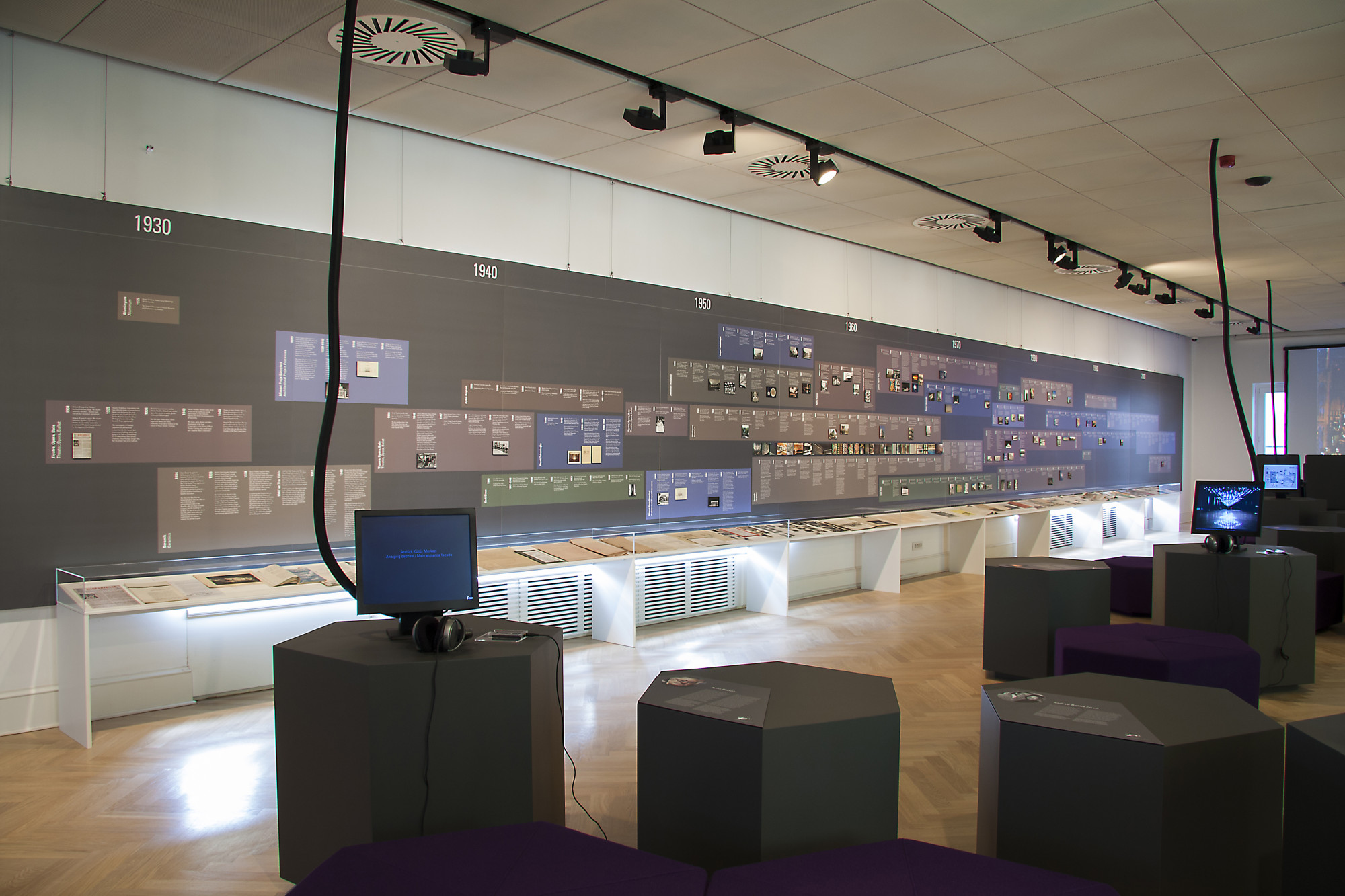
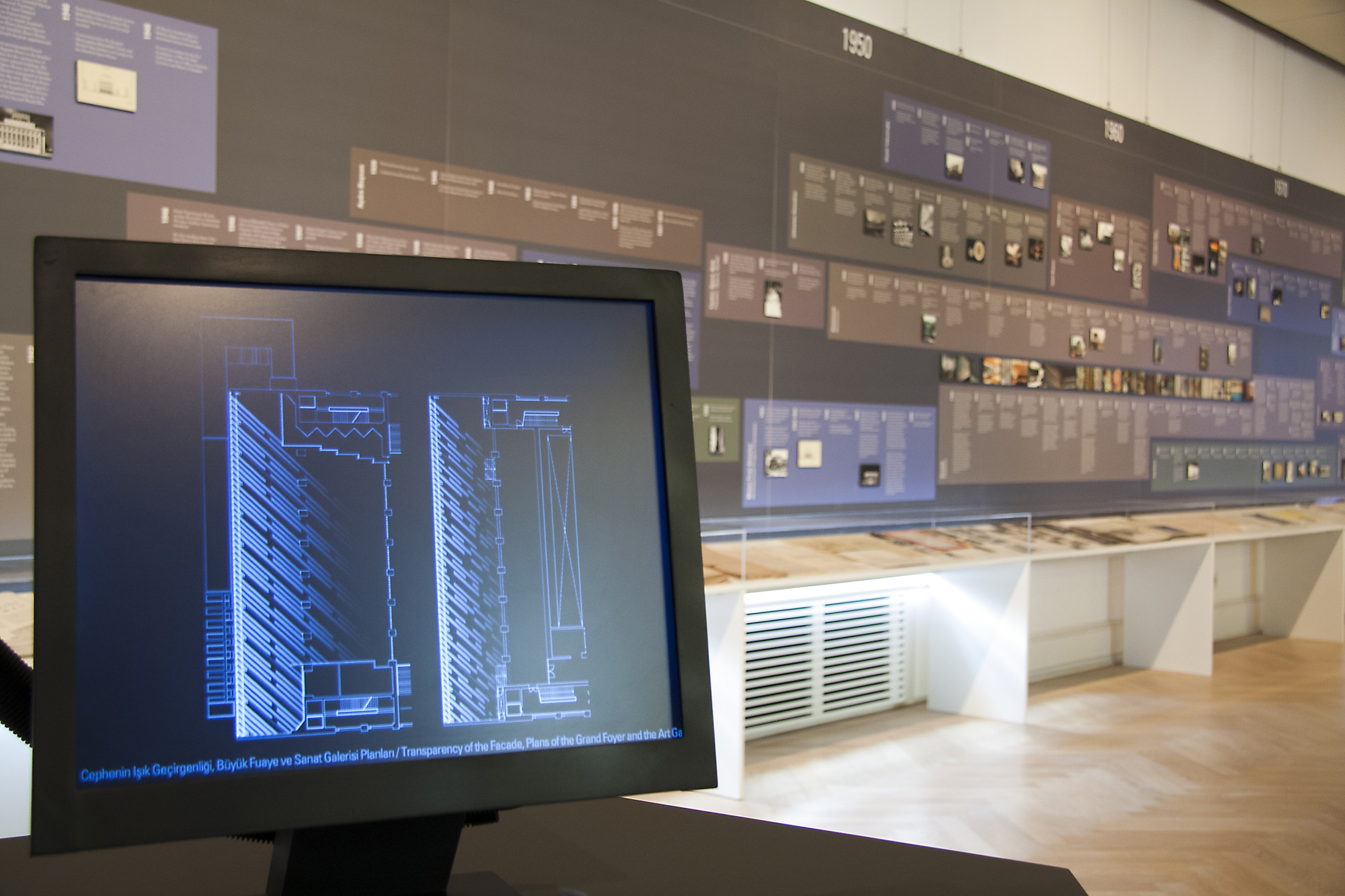
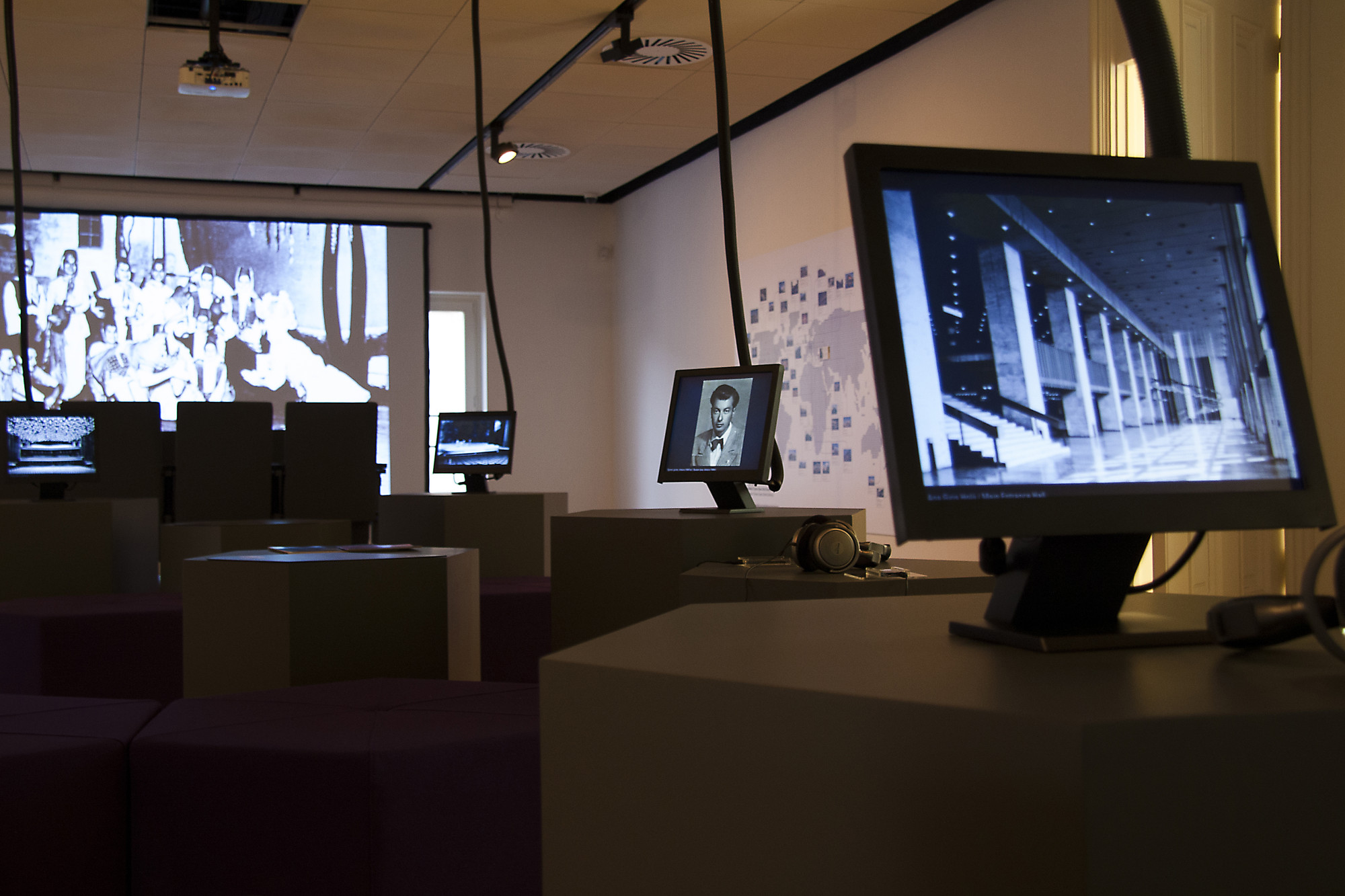
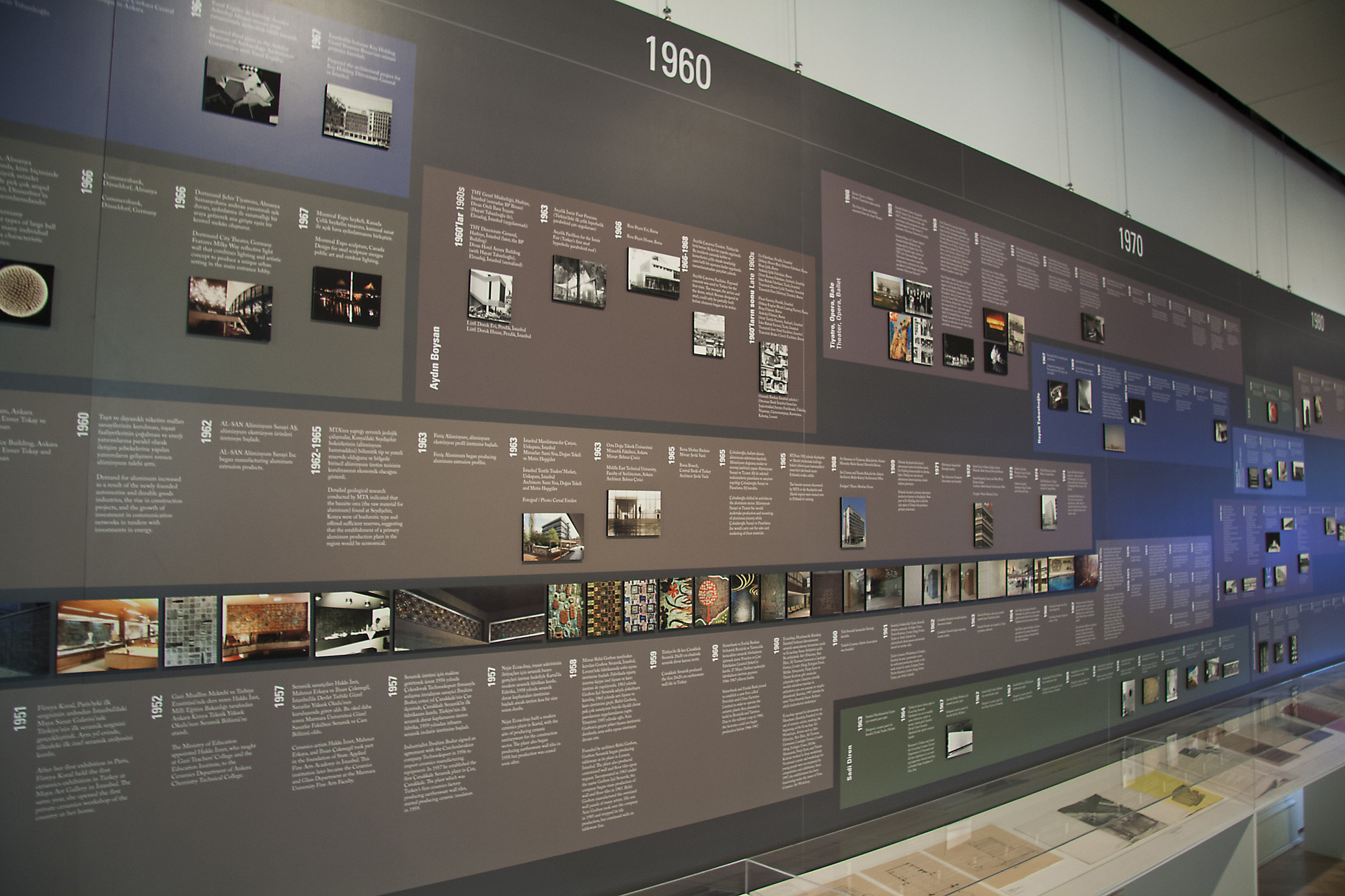
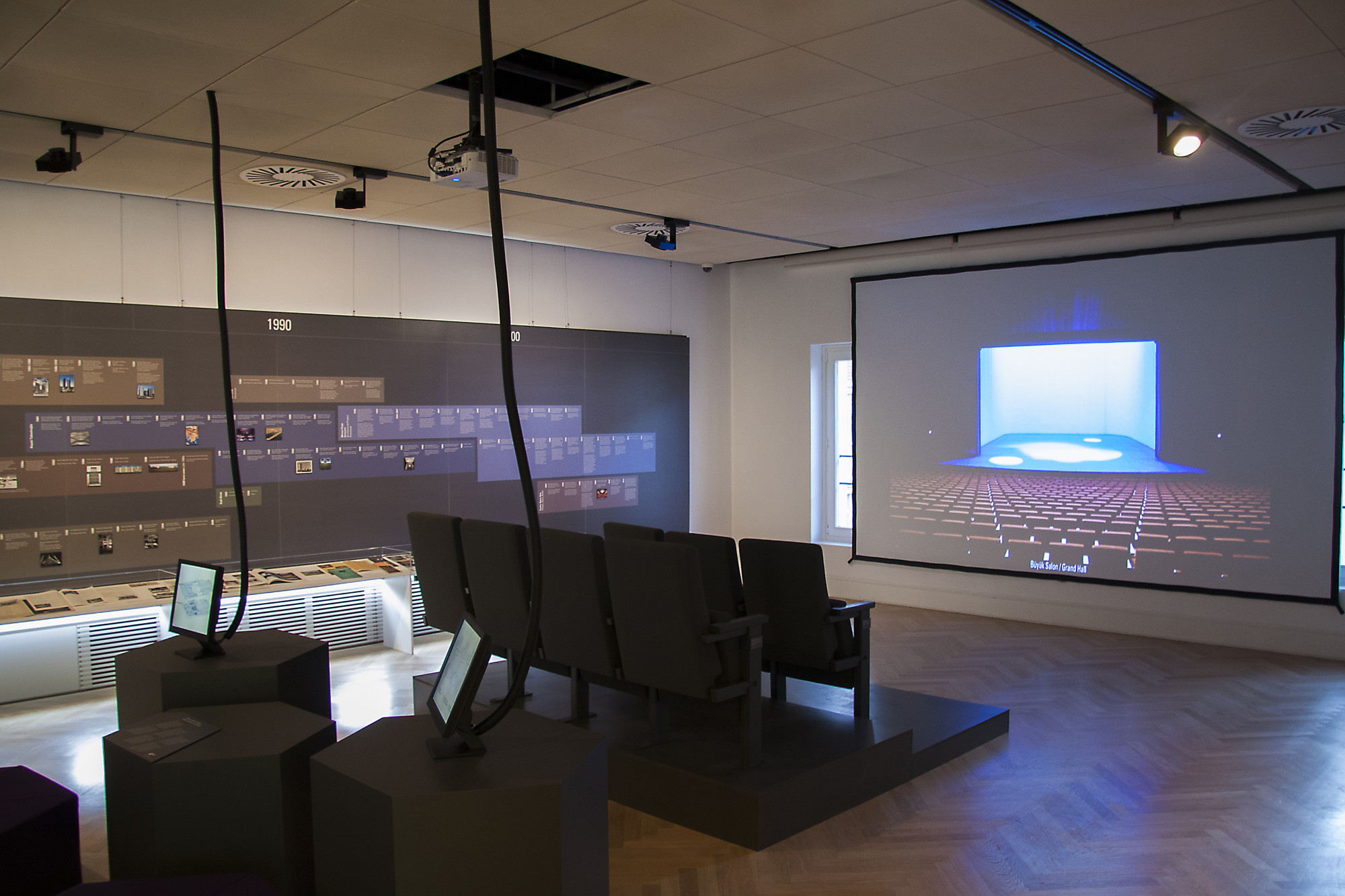
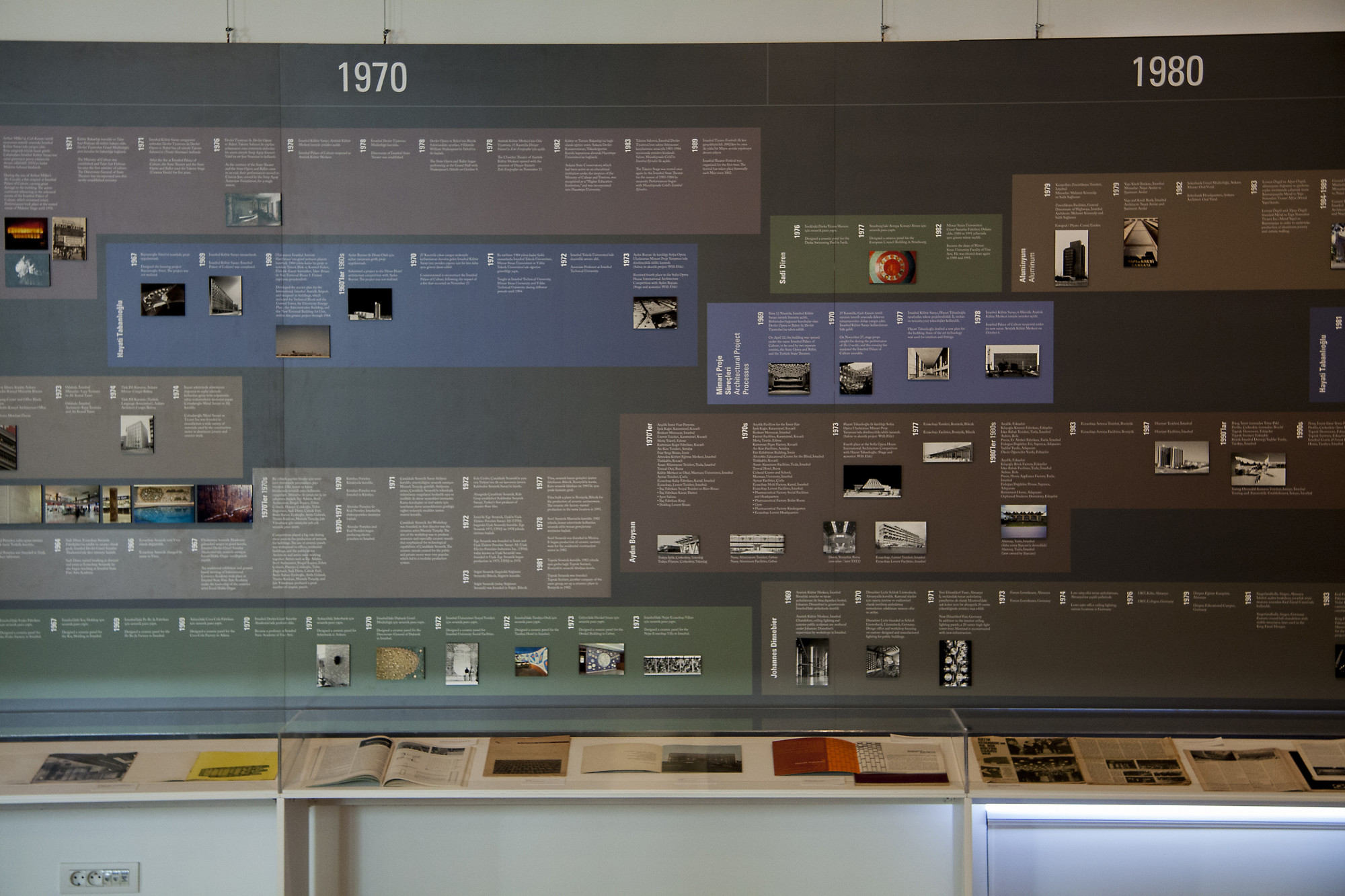
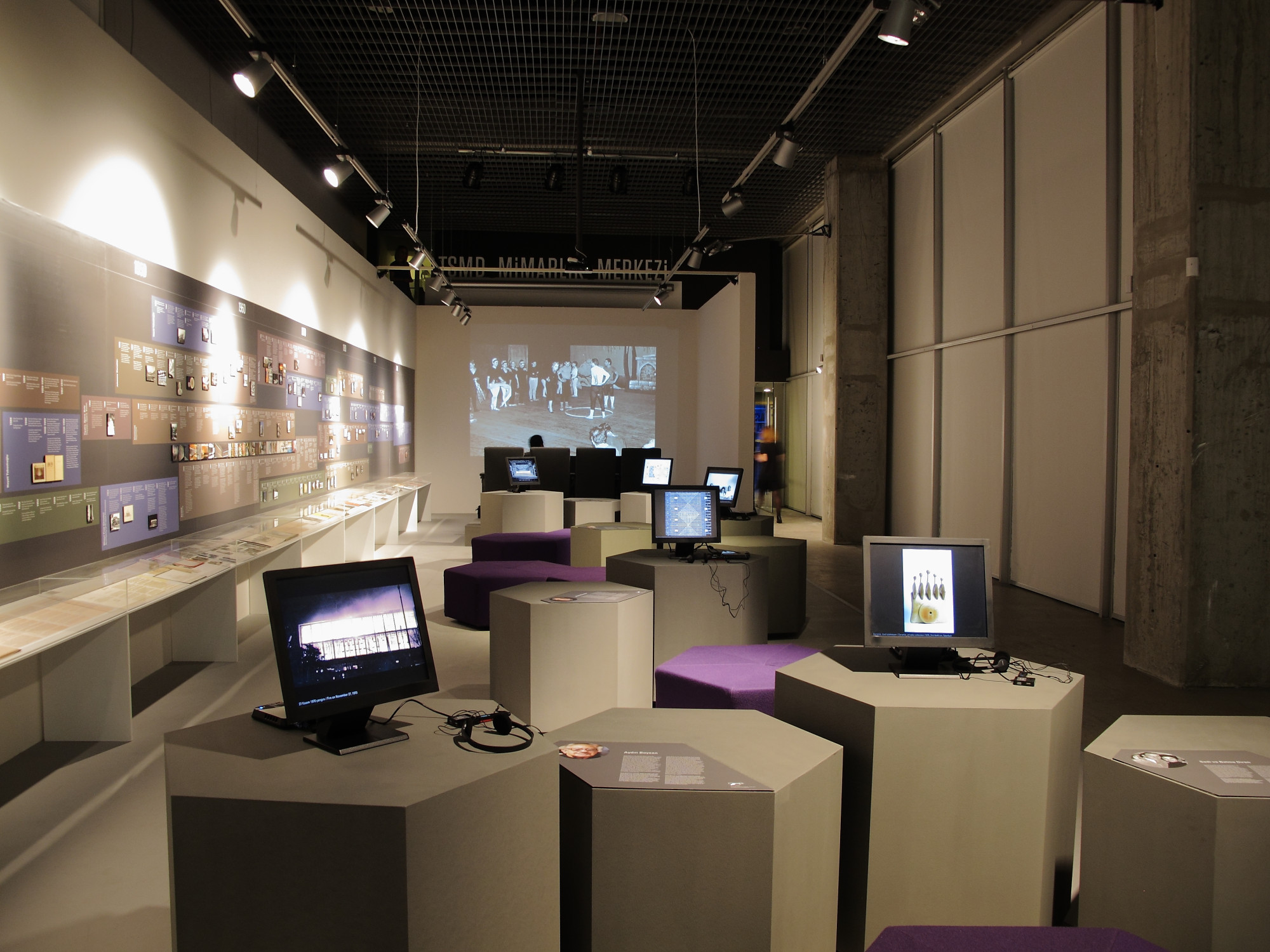
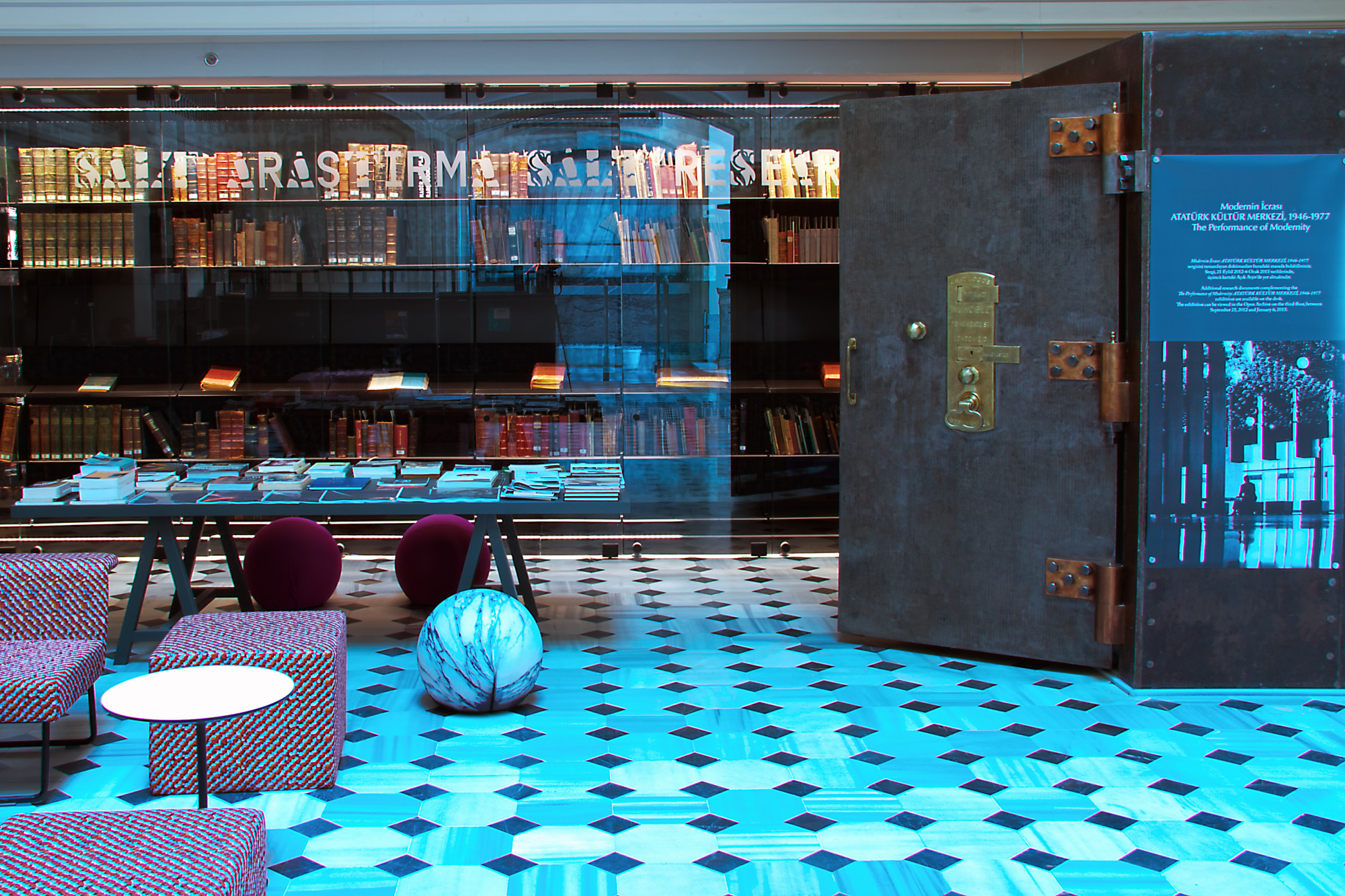
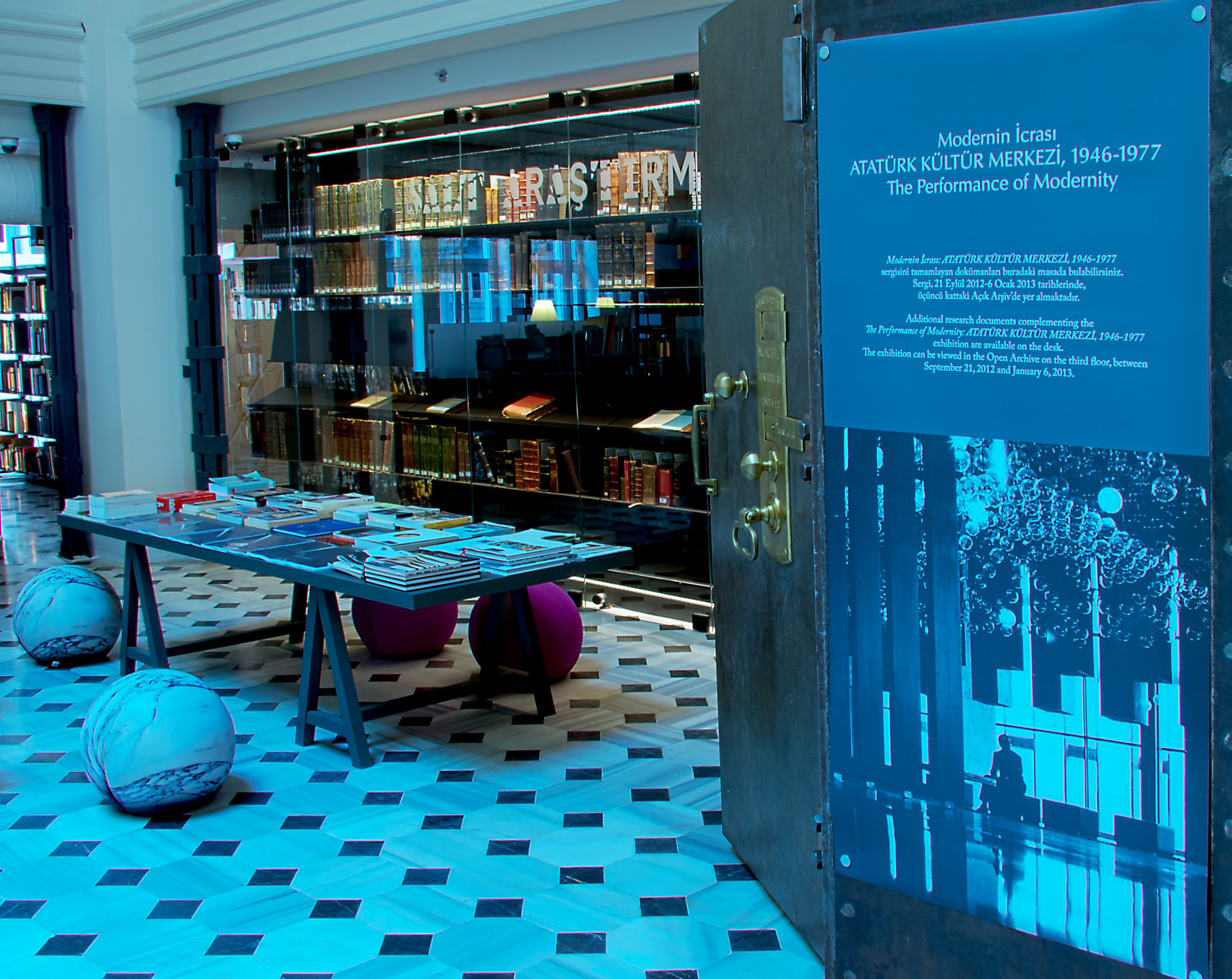
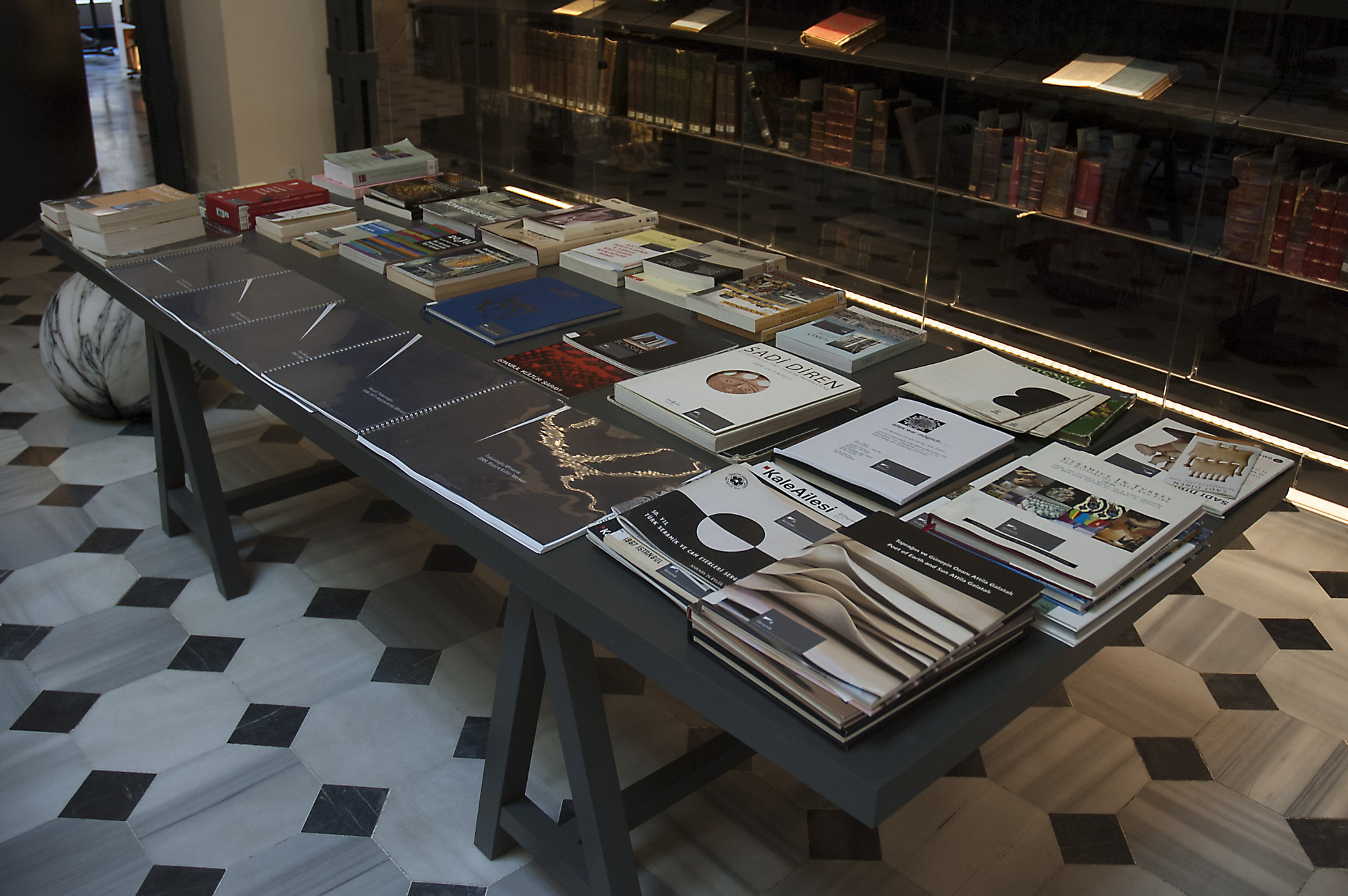
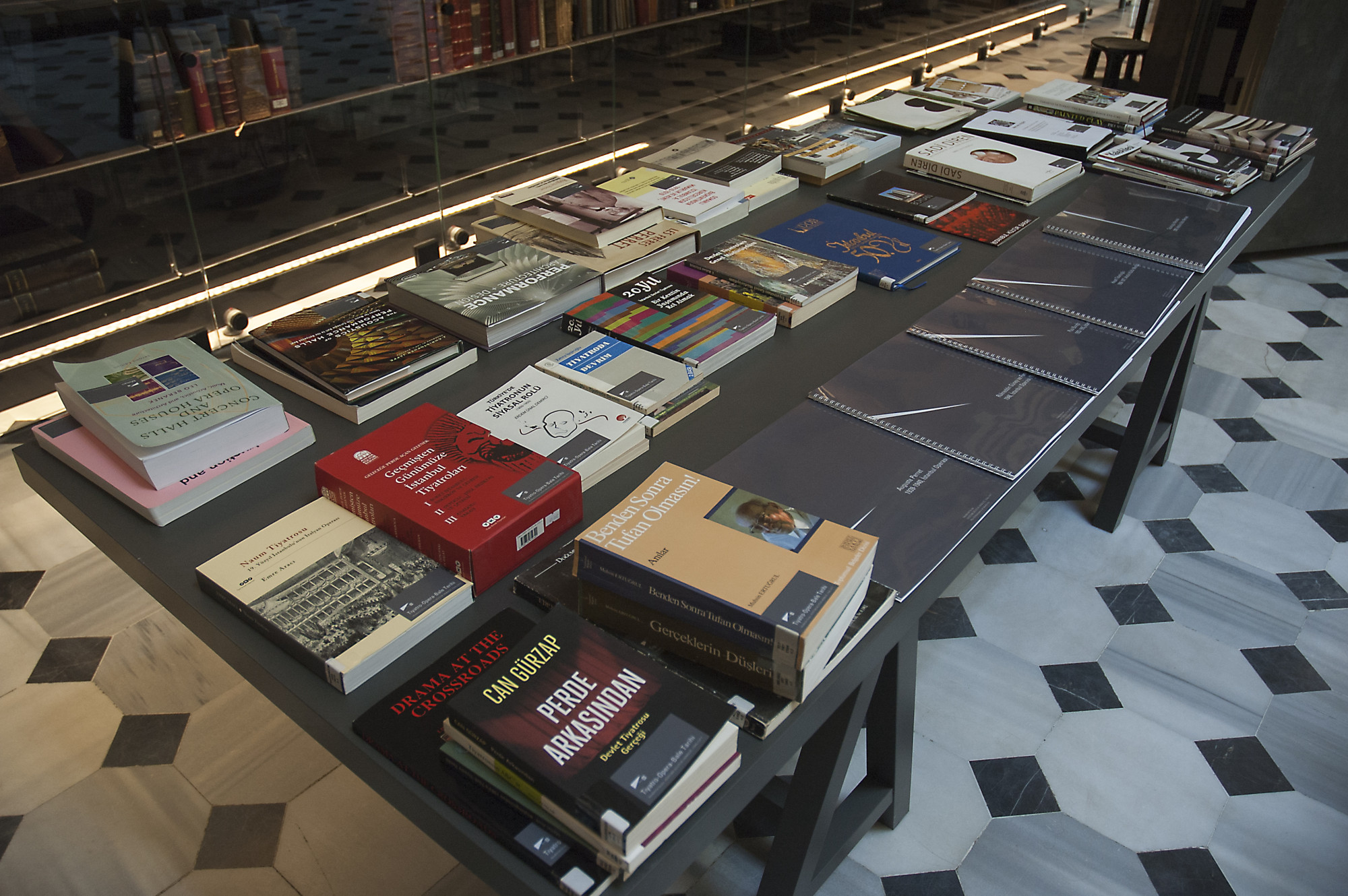
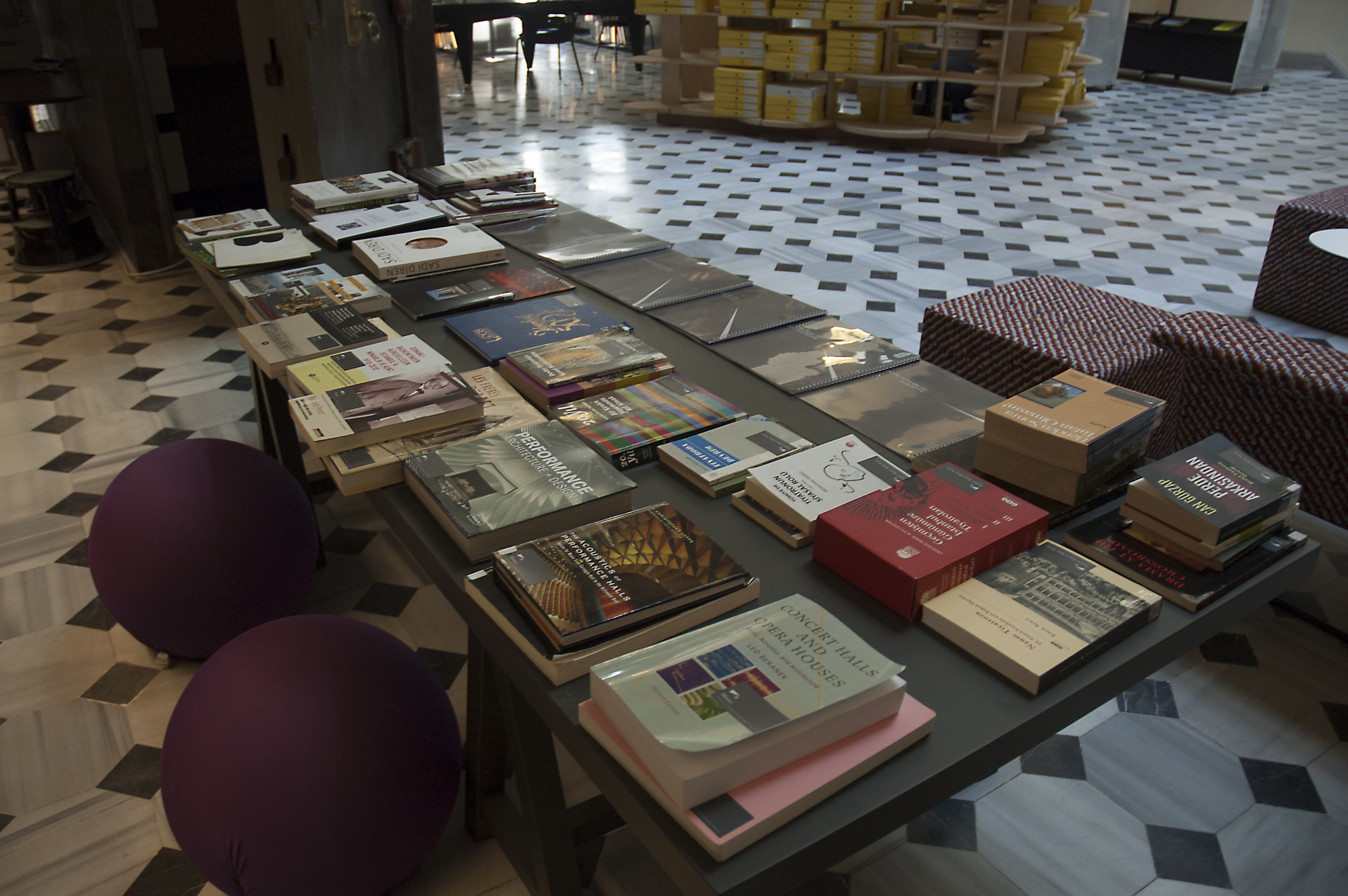
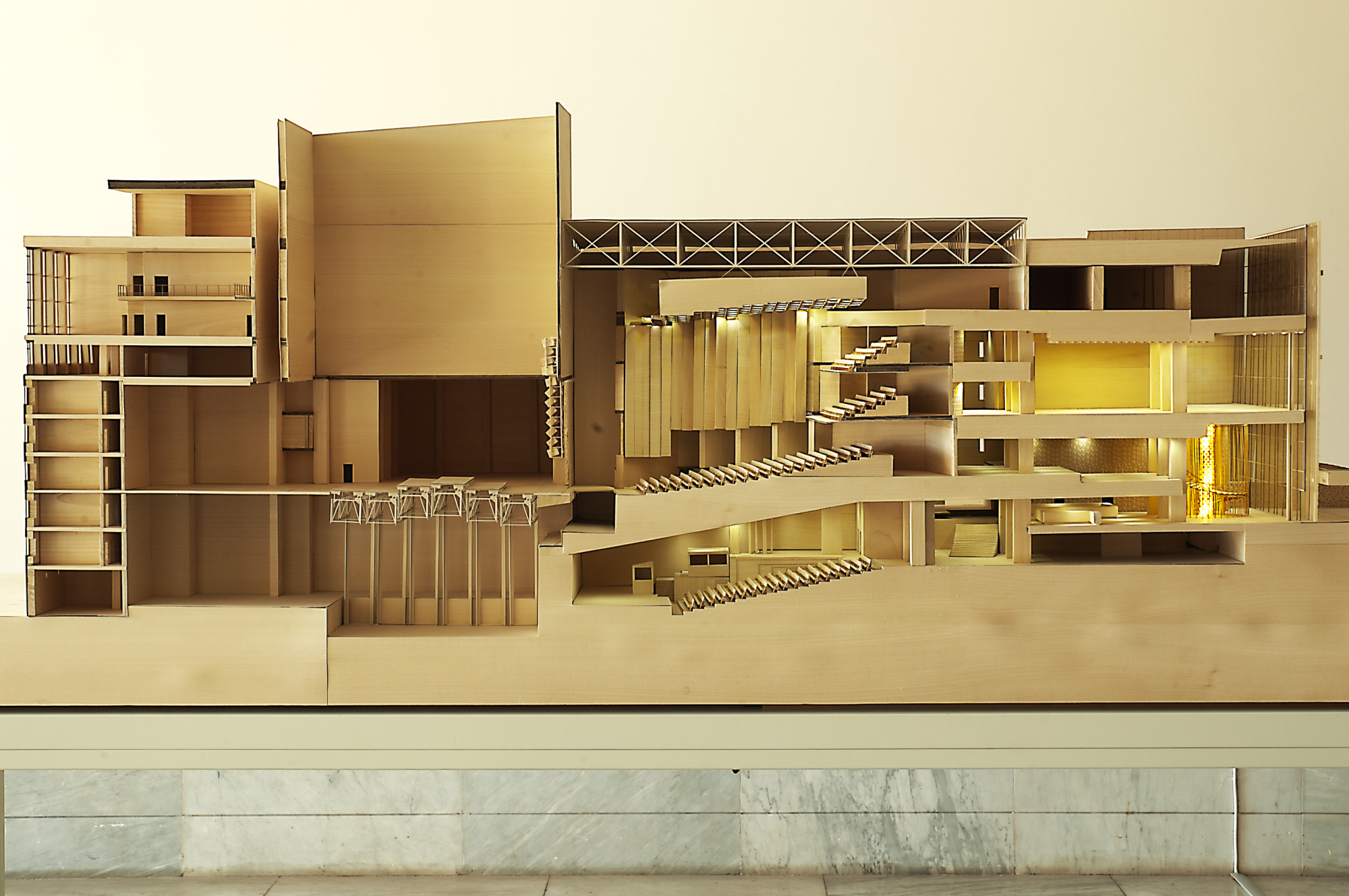
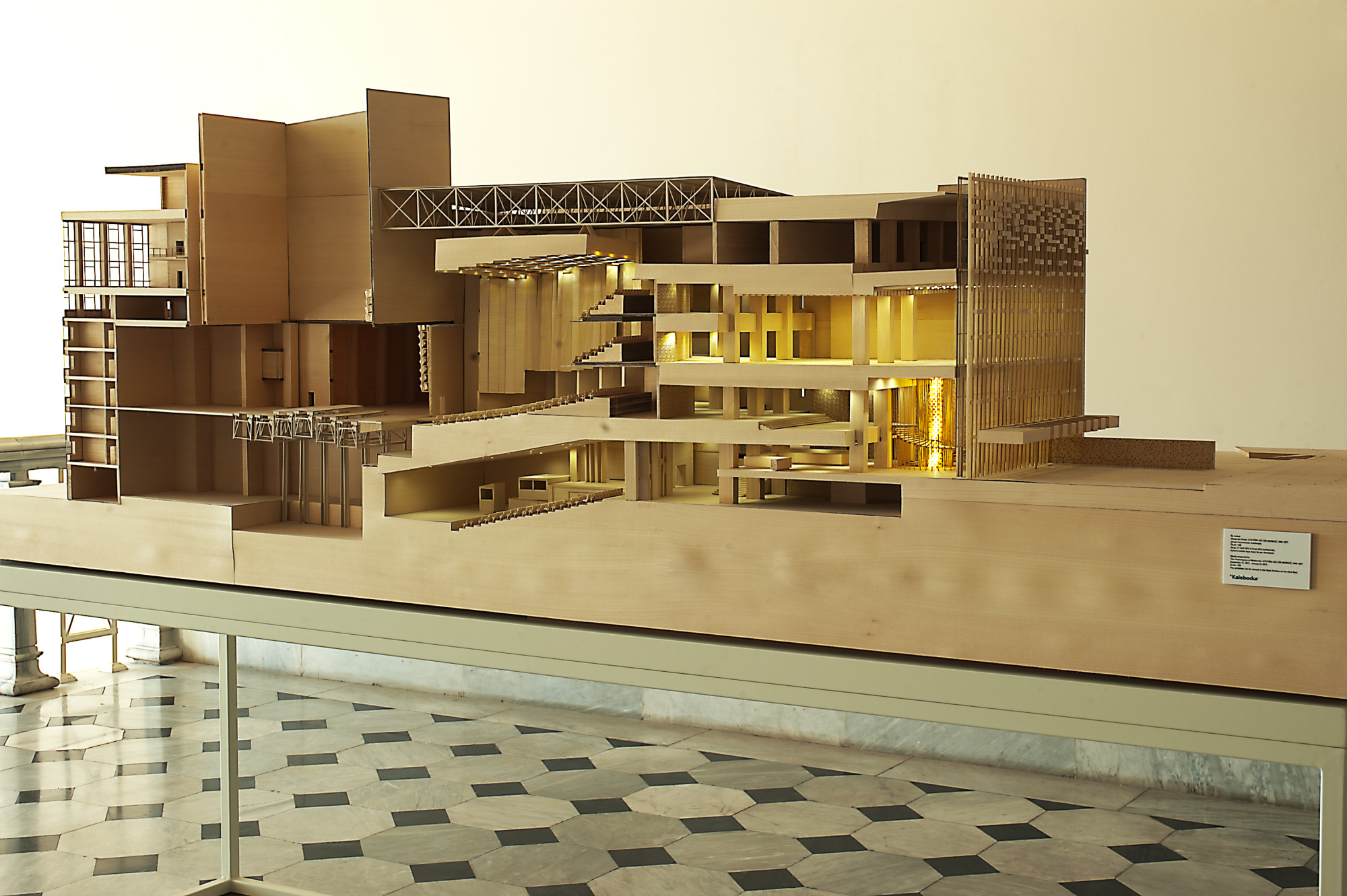
The Performance of Modernity: ATATÜRK KÜLTÜR MERKEZİ, 1946–1977 focuses on key archival visuals and objects that provide insight into the architecture and production of AKM. Exploring relations between architecture, society, politics and the built environment, the exhibition reveals the main actors and their designs by following a chronological narrative to study the key themes in effect in Turkey, regionally and globally. A scale section model, specially produced for the exhibition, offers insight into the building’s architecture, including its technical infrastructure and the functions that lie beyond visitors’ perception. The archive of Hayati Tabanlıoğlu, contributed by Tabanlıoğlu Architects, will also be accessible to researchers and other interested parties through Salt Research.
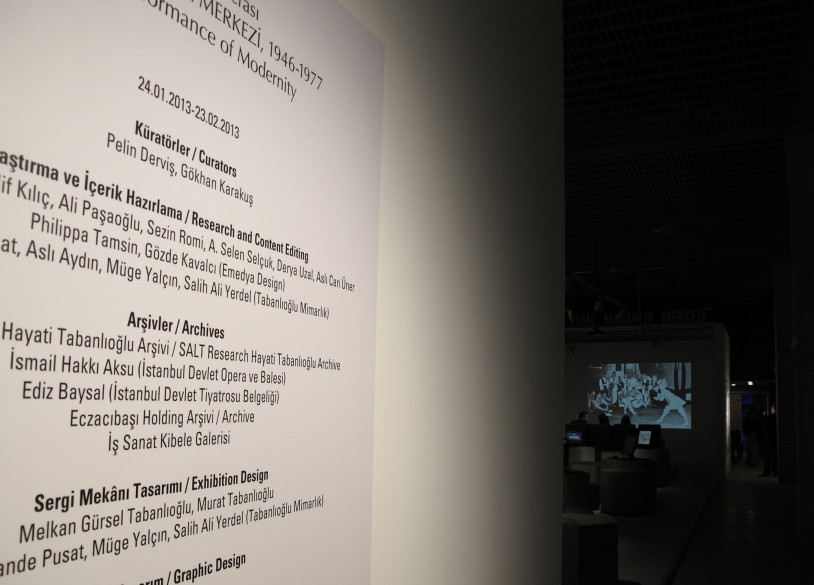
| Curators | Pelin Derviş and Gökhan Karakuş |
| Graphic design | Ali Cindoruk |
| Supported by Kalebodur |
Back To Top