BİÇİMİN İŞLEVİ
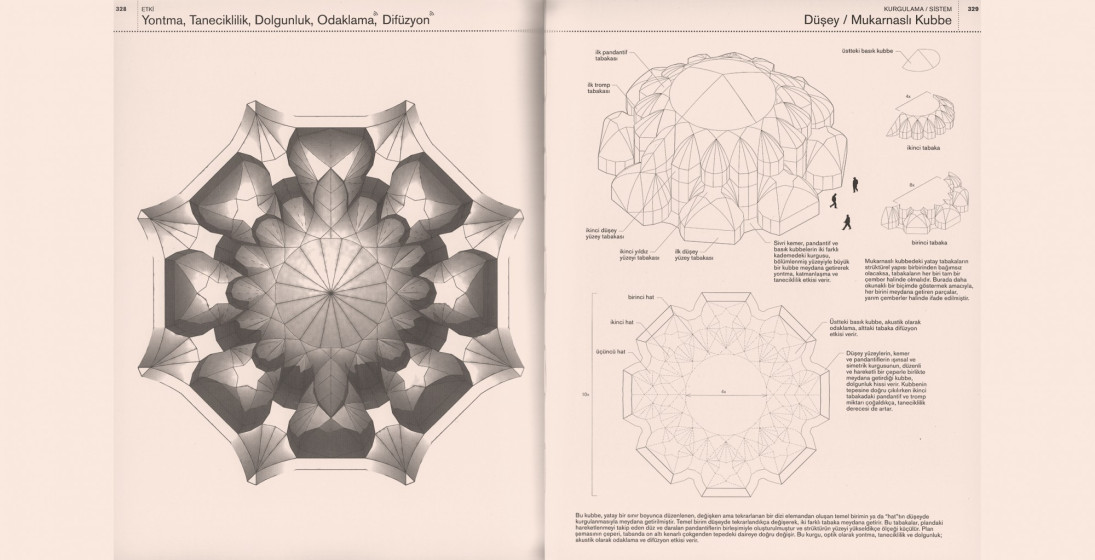
Where the Function of Ornament research proposed the function of ornament beyond the symbolic, the Function of Form proposes a new theory of form away from the limitations of representation (symbolism), towards repetition and differentiation in order to nurture multiplicity within culture.
The Function of Form proposes that, due to the speed at which technology, the environment and culture are changing, the rate of change in contemporary architecture has shifted from a process of overhaul and replacement to a mode of continuous and incremental change. This rapid rate of change is the consequence of multiple intersecting causes which are rooted in human (social, subjective, sensorial) as well as nonhuman (natural, objective, technical) spheres. In order to be compatible with these mutant and diverse values, architecture cannot be limited to the representation of a-priori concepts or singular causes and must evolve through constantly producing, enriching and reinventing its environment.
This research into form posits that, by working with affect, architecture achieves this capacity to evolve and reinvent the environment. Revisiting the historical relationship between function and form—rather than reading it as simply the outcome of epochal movements—reveals a continuous thread throughout the history of firm in which historical ideas have been evolved and transformed to produce novel forms. By decomposing forms into their affects, The Function of Form shows how physical structures which used to be synonymous with specific concepts can be freed from their attendant cultural and other significances. Particularised and differentiated in this way, these physical structures become mutable and can be re-appropriated and transformed without prejudice, to produce singular affects. These affects are processed by individuals into different types of subjectivity which encourage the environment to evolve as a multiplicity.
| Author | Farshid Moussavi |
| Original print | The Function of Form, Actar and Harvard Graduate School of Design, 2009 |
| Translation | Pelin Derviş |
| Publisher | YEM Yayın (Istanbul, May 2011) |
| ISBN | 978-9944-757-50-8 |
| Language | Turkish |